
Flowers
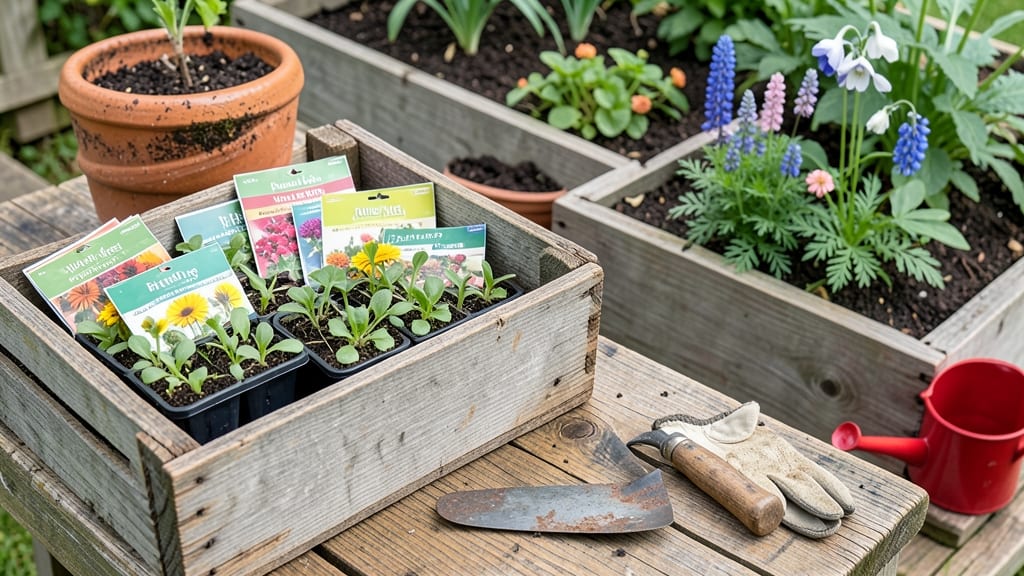
Planting flower seeds in Colorado depends on elevation—get it wrong, and your 🌸 blooms could freeze before they open.
Colorado’s diverse elevations create unique planting windows—get the timing wrong, and your flower seeds could freeze or bolt before blooming. Here’s the exact schedule you need to maximize your garden’s potential, from Front Range foothills to high-altitude mountain gardens.
Most Colorado gardeners should wait until mid-April to early May for warm-season flowers, but cool-season varieties like snapdragons can go in as early as March. The key? Knowing your last frost date by elevation—whether you’re in Denver’s 5,280 feet or the Western Slope’s 6,000+ feet.
Below, I break down month-by-month planting tips, indoor-starting tricks for high-altitude zones, and the best flower varieties for Colorado’s short but intense growing season.
Colorado’s last frost dates by elevation: critical planting windows for flower seeds
Colorado’s dramatic elevation shifts—from 2,500 feet in the Front Range to 10,000 feet in the Rockies—create wildly different last frost dates. At 5,000 feet, your sweet peas might bloom by May, while 10,000-foot gardens could still face frost in June.
These variations mean your cosmos seeds planted in Denver could freeze overnight if sown too early, while zinnias in Colorado Springs might bolt before summer peaks. Understanding these zones is the key to avoiding wasted seeds and maximizing blooms.
Most Colorado gardens fall into USDA Zones 5-7, but elevation trumps zone labels here. For example, Boulder (5,430 ft) and Fort Collins (5,000 ft) share similar zones but can have 2-week frost date differences.
Urban areas like Denver (5,280 ft) often experience warmer microclimates than rural high valleys, while mountain towns (7,000+ ft) face delayed springs. Cool-season flowers like calendula thrive in these shorter seasons, while heat-loving marigolds need precise timing to avoid early stress.
Here’s your elevation-by-elevation guide to last frost dates, including adjustments for urban heat islands and high-altitude cold pockets. Use this to time direct sowing and indoor starts for cool-season vs. warm-season flowers.
| Elevation Range | Last Frost Date (Avg) | Urban Adjustment | Rural Adjustment | Cool-Season Flowers | Warm-Season Flowers |
|---|---|---|---|---|---|
| 2,500–4,000 ft | April 15–May 1 | 1–2 weeks earlier | 1–2 weeks later | Sweet peas, pansies, snapdragons | Marigolds, zinnias, sunflowers |
| 4,000–6,000 ft | May 1–May 15 | 1 week earlier | 1 week later | Calendula, nasturtiums, dianthus | Cosmos, petunias, geraniums |
| 6,000–8,000 ft | May 15–June 1 | 3–5 days earlier | 3–5 days later | Lupines, columbines, bluebells | Dahlias, cannas, gladiolas |
| 8,000–10,000 ft | June 1–June 15 | Not applicable | Up to 1 week later | Alpine gypsophila, edelweiss | Limited options; focus on hardy perennials |
Note: Use soil thermometers to confirm 50°F+ before planting warm-season seeds.
For cool-season flowers, start 6–8 weeks before your local last frost date. Sweet peas and pansies can handle light frosts, so sow them 4–6 weeks earlier than your average date. In Denver (5,280 ft), that means early March for indoor starts.
Meanwhile, warm-season flowers like zinnias and marigolds need soil temps above 60°F, so wait until after May 15 at lower elevations or June 1 in mountain areas.
Microclimates play a huge role. Urban Denver can be 5–10°F warmer than nearby foothills due to concrete heat absorption. If you’re in a city garden, push your warm-season planting 1–2 weeks earlier.
Conversely, rural high valleys (like Grand Junction) may need late-June starts for tomato flowers to avoid frost. Always check local weather trends—some years, May frosts hit Colorado Springs as late as May 20.
Hardiness zones overlap in Colorado, but elevation rules. A Zone 6 garden at 6,000 ft might share traits with a Zone 5 garden at 5,000 ft, but frost dates differ by 2–3 weeks.
For example, Boulder (Zone 6) and Fort Collins (Zone 5) both grow dahlias, but Boulder’s earlier last frost lets you plant dahlia tubers in April, while Fort Collins waits until mid-May.
Use these guidelines to align your seed packets with your actual frost dates, not just zone labels.
Pro tip: Succession planting is your best friend in Colorado’s short season. Sow fast-growing flowers like bachelor’s buttons every 2–3 weeks from May to July to ensure continuous blooms. At higher elevations, focus on perennials like coneflowers, which establish roots early and rebound from late frosts.
In lower elevations, annuals like cosmos self-seed prolifically, giving you free blooms next year
Best flower seeds to plant by month in Colorado (with elevation-specific tips)
Colorado’s elevation zones—from 5,000-foot Front Range gardens to 10,000-foot mountain plots—dictate when to plant flower seeds. At lower elevations, zinnias and marigolds thrive in summer heat, while snapdragons and sweet peas prefer cooler mountain springs.
Timing is everything: plant too early, and frost will kill tender seedlings; too late, and your blooms may bolt before summer’s end.
To succeed, align your planting with soil temperatures and microclimates. Urban Denver gardens often warm faster than rural areas, while high-altitude gardens near Aspen or Leadville may need to wait weeks longer.
Below, I’ve broken down the best month-by-month flower seeds for Colorado, including elevation-specific adjustments to extend your blooming season.
🌱 Colorado Flower Planting Schedule by Month
- March (Low Elevations Only): Start cool-season annuals indoors—snapdragons, sweet peas, and pansies. Harden off by late April for 5,000–6,500 ft zones.
- April (Front Range & Foothills): Direct-sow calendulas, nasturtiums, and larkspur after last frost (mid-April at 5,000 ft, late April at 7,000 ft). Use row covers for high-altitude areas.
- May (Statewide): Plant heat-loving annuals like zinnias, marigolds, and sunflowers. At 8,000+ ft, wait until soil hits 55°F to avoid bolting.
- June (All Elevations): Succession-plant cosmos and bachelor’s buttons for continuous blooms. High-altitude gardens can add dahlias and cannas after Memorial Day.
- July–August (Low to Mid Elevations): Sow fall-blooming bulbs like tulips and crocuses for spring color. At 7,000+ ft, stick to hardy perennials like coneflowers and black-eyed Susans.
- September (High Elevations): Plant cool-season cover crops (e.g., clover) or pansies for winter interest. Below 6,500 ft, extend summer with celosia or gaillardia.
💡 Pro Tip: Use soil thermometers—most seeds need 50–60°F soil to germinate. High-altitude gardens may need 2–4 weeks later than Front Range schedules.
For high-altitude gardens (7,000+ ft), prioritize cold-hardy annuals like sweet peas and snapdragons, which tolerate cooler soils. At these elevations, marigolds and zinnias may struggle in short summers, so opt for drought-tolerant perennials like penstemon or columbine instead.
Extend your blooming season by succession planting every 2–3 weeks from May through July. For example, sow cosmos seeds in early June for late-summer flowers, or add pansies in August for winter color.
In Denver or Boulder, urban heat islands can push planting dates 1–2 weeks earlier than rural areas.
Don’t overlook bulbs for fall planting—tulips and daffodils need 6–8 weeks of cool soil before winter. At 5,000 ft, plant them by mid-October; at 8,000+ ft, wait until late September to avoid premature sprouting.
Mulch heavily to protect bulbs from freeze-thaw cycles common in Colorado’s mountains.
🌿 Key Takeaway: Colorado’s elevation-driven frost dates mean your planting schedule should shift 1–2 weeks per 1,000 ft in altitude. Start with cool-season flowers in spring, transition to heat lovers in summer, and end with fall-blooming perennials for year-round color.