
Flowers
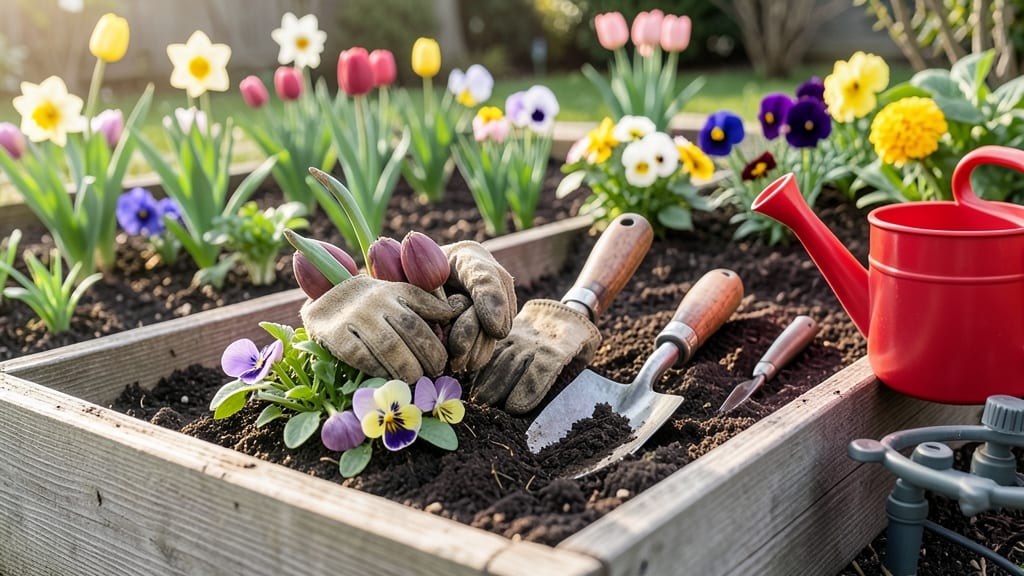
You can plant flowers in spring once soil temperatures hit 60°F (15°C) and the last frost has passed — usually between mid-April and May, depending on your USDA zone.
Timing your spring flower planting wrong can mean wilted dreams before blooms even appear—but knowing your USDA zone and frost dates turns guesswork into a thriving garden.
For example, in Zone 6a, where many gardeners live, the average last frost falls around March 15, but waiting until early April ensures seedlings won’t freeze overnight.
Below, I’ll break down the exact weeks before frost to plant annuals like marigolds, perennials like tulips, and how to prep soil for perfect results—no more missed blooms.
Spring planting timeline by USDA zone: exact weeks before last frost
Spring flower planting success hinges on understanding your USDA zone and calculating weeks before last frost. In Zone 5, for example, frost typically arrives 4-6 weeks earlier than in Zone 9, meaning your tulips and dahlias should hit the soil 6-8 weeks earlier in cooler climates.
Urban gardens often experience microclimates that can shift planting windows by 1-2 weeks—warmer sidewalks or reflective buildings can create pockets of Zone 7 conditions even in Zone 6 areas.
Early bloomers like crocuses and snowdrops thrive when planted 8-10 weeks before last frost, while heat-loving marigolds and zinnias can wait until 2-4 weeks out. The key is matching your flower hardiness to your zone’s frost-free window.
For instance, Zone 3 gardeners should plant hardy perennials like coneflowers in late April, while Zone 10 can start annuals in February.
Microclimates complicate timing—rural gardens with open exposure may need to delay planting by 1-2 weeks compared to sheltered urban spots. Always adjust for soil temperature, which should reach 50°F (10°C) for cool-season flowers and 60°F (15°C) for warm-season varieties. A soil thermometer is your best friend here!
Here’s how to translate USDA zones into actionable planting weeks for your spring flowers:
| USDA Zone | Last Frost Date | Weeks Before Last Frost | Early Bloomers (e.g., Tulips, Crocuses) | Late Bloomers (e.g., Marigolds, Zinnias) | Microclimate Adjustment |
|---|---|---|---|---|---|
| Zone 3-4 | Mid-April to Early May | 6-8 weeks | Early April | Late May | +1 week for sheltered spots |
| Zone 5-6 | Late April to Mid-May | 4-6 weeks | Early April | Early June | -1 week for exposed areas |
| Zone 7-8 | Mid-March to Early April | 2-4 weeks | Late February | Mid-April | +2 weeks for urban heat islands |
| Zone 9-10 | Late January to Mid-February | 0-2 weeks | January | February | -1 week for coastal areas |
For Zone 5-6, where I garden, I start hardy perennials like peony and iris in late March—about 6 weeks before last frost—while waiting until mid-May for heat-loving annuals like geraniums.
My urban microclimate (a south-facing balcony) lets me plant pansies 2 weeks earlier than my neighbor’s exposed yard. Always test your soil’s readiness with a frost-sensitive plant like basil—if it survives, your flowers will too!
Adjust for elevation: Every 1,000 feet up adds 1 zone of coldness. In Zone 6 at 3,0
How to use a USDA zone calculator to find your perfect planting dates
Finding the right time to plant your spring flowers isn't just about guessing—it's about using USDA zone maps and frost date data to pinpoint the perfect window. A USDA zone calculator simplifies this process by factoring in your exact location, elevation, and even microclimates.
Whether you're planting pansies in Zone 5 or marigolds in Zone 8, precision matters.
Start by identifying your USDA hardiness zone using free tools like the USDA Plant Hardiness Zone Map or apps like GardenZones. These tools break down zones into 10-degree Fahrenheit increments, helping you match plants to your climate.
For example, Zone 6a (average minimum -10°F) has different frost dates than Zone 9a (average minimum 20°F).
Type your city and ZIP code into a USDA zone calculator (e.g., PlantMaps or GardenZones). The tool will instantly display your USDA zone and average last frost date.
Every 1,000 feet in elevation can shift your zone by 1-2 degrees. Mountain gardens in Zone 5 may experience frost later than valley gardens in the same zone.
Urban areas with concrete and buildings may warm up faster than rural zones. Use a local weather station or neighborhood frost data to refine your timing.
For cool-season flowers (e.g., pansies, snapdragons), plant 4-6 weeks before last frost. For warm-season flowers (e.g., marigolds, zinnias), wait until 2 weeks after last frost.
Use a soil thermometer to confirm temps are above 50°F for cool crops or 60°F+ for warm crops. Cold soil can stunt growth, even in the right zone.
Save your planting dates and frost warnings in a garden journal. Apps like Farmers' Almanac send alerts for first and last frost dates.
Don’t overlook sun exposure—even in the right zone, shade-loving flowers (like impatiens) need protection from harsh afternoon sun. Use your zone calculator to cross-reference with sunlight maps for your area.
For instance, a Zone 7 garden in a north-facing yard may need shade-tolerant varieties like coleus or ferns.
Pro tip: If you’re unsure about your zone, test your garden’s readiness by planting a frost-sensitive flower (like cosmos) as a trial run. If it survives, you’re likely in the warmer end of your zone. If it dies, adjust your planting dates by 1-2 weeks later.
With your USDA zone and frost dates locked in, you’ll never second-guess when to plant again. Happy gardening—your flowers will thank you with bold blooms all season! 🌷