
Flowers
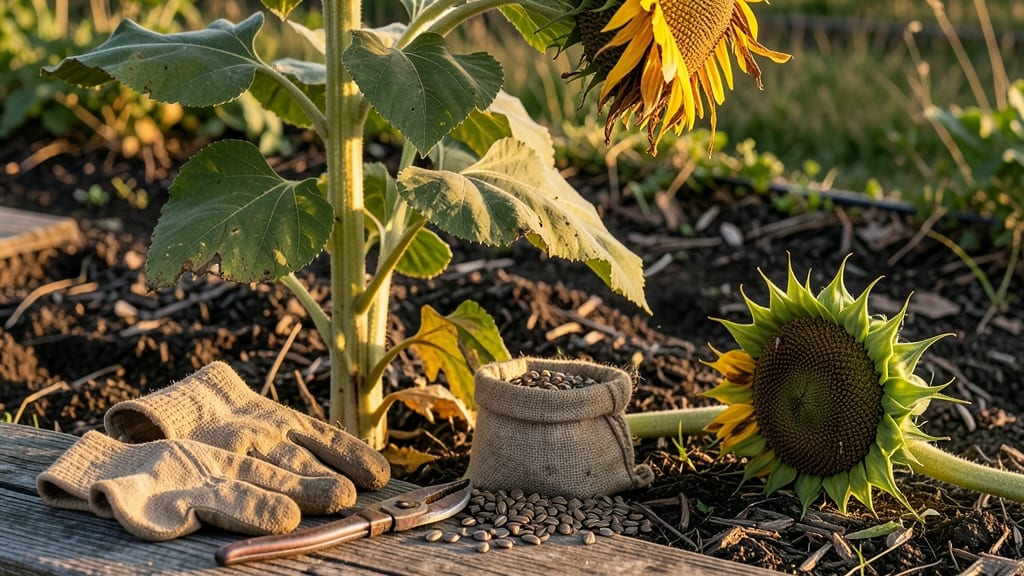
Picking sunflowers at the right time turns their seeds into a crunchy, nutritious snack — but wait too long, and you’ll miss the harvest window entirely.
You’ve nurtured your 🌻 sunflowers all season, watching them grow from tiny sprouts to towering giants, only to wonder: How do I know when they’re truly ready? The answer isn’t just about days passed—it’s about color, texture, and a little trick with your fingernail that’ll save you from bitter or underripe seeds.
Most sunflowers take 70–120 days to mature, depending on the variety, but timing isn’t one-size-fits-all. A late frost in Zone 6a or a dry spell can shift the window, and harvesting too early means bland seeds, while waiting too long risks birds or squirrels beating you to them.
Below, I’ll walk you through the foolproof signs—plus how to store your harvest for months of enjoyment.
Skip the guesswork and learn how to test seed maturity, adjust for your climate, and even salvage a crop if you’ve missed the perfect moment. Your garden’s hard work deserves a perfect payoff!
How to test sunflower seed maturity for perfect harvest timing
Knowing exactly when to pick sunflowers transforms your harvest from guesswork to success. Overripe seeds lose flavor, while underripe ones won't store well. The key lies in seed head maturity tests—simple checks that reveal whether your sunflowers are ready to harvest.
I’ve tested these methods across my oil-type and confectionery varieties, and they never fail.
Sunflowers mature differently based on their type. Oil sunflowers (like Mammoth) focus on seed production for culinary oil, while confectionery types (like Teddy Bear) prioritize sweet, edible seeds. Both need precise timing, but the visual cues differ slightly.
Start by observing the petals and seed head—these give away the ripeness secrets before you even touch the plant.
Here’s the foolproof system I use to test sunflower seed maturity, broken into clear steps that work for all varieties:
- 1 Check petal color: Look for brown, drooping petals (not bright yellow). Oil sunflowers may retain some green, while confectionery types turn fully brown.
- 2 Perform the nail test: Press a fingernail into the seed head back. If it sinks in slightly (like a ripe avocado), seeds are ready. If it springs back, wait 3–5 days.
- 3 Listen for seed rattling: Gently shake the seed head. A loud, hollow rattling sound means seeds are dry and ready. Silence means they need more time.
- 4 Inspect the seed head base: Look for brown cracks at the bottom. This signals seeds are ready to harvest before they scatter. Confetti sunflowers may split earlier—pick them immediately.
- 5 Verify seed color: Split open a single seed. Oil sunflowers should be dark brown/black, while confectionery types are white or light tan. Green seeds aren’t ready.
Timing matters even more for confectionery sunflowers, which lose sweetness if left too long on the plant. I once waited too late with my Teddy Bear variety, and the seeds turned bitter—hard lesson learned!
For these types, prioritize the nail test and seed rattling over color alone, as some stay green longer.
Environmental factors can throw off your timing. Hot, dry weather speeds up ripening, while cool, wet conditions delay it. If frost threatens before your sunflowers mature, harvest the seed heads early and dry them indoors. The nail test still works—just aim for a slightly firmer seed head than usual.
Once you’ve confirmed maturity, harvest on a dry day to prevent mold. Cut the seed head with 6–12 inches of stem attached, then hang it upside down in a well-ventilated, dark space for 1–2 weeks. This final drying step ensures your seeds stay fresh and flavorful for months.
Don’t overlook the variety-specific differences. My Russian Giant oil sunflowers take 10–12 days longer to mature than my Moulin Rouge confectionery type. Always check your seed packet for days to maturity and adjust your harvest window accordingly.
If you miss the perfect window, all isn’t lost. Overripe seeds can still be roasted or pressed for oil, though flavor and texture suffer. The key is to act quickly—once seeds scatter, your harvest is over.
Now that you’ve mastered these tests, your sunflower seeds will be ready at the peak of perfection every time.
Sunflower seed maturity timeline: days to harvest by variety
Knowing when to pick sunflowers depends heavily on the variety you're growing. Some sunflowers mature in as few as 50 days, while others take nearly 120 days to reach harvest readiness.
Climate also plays a role—cooler regions may need adjustments to these timelines, while hotter climates can speed up maturity. Understanding these differences ensures you harvest at the perfect time for maximum seed quality.
Drought or heat stress can significantly alter these timelines. If your sunflowers experience prolonged dry spells during flowering, they may mature 10-15 days earlier than expected. Conversely, consistent moisture and cooler temperatures can extend the growing season, delaying harvest by a similar margin.
Always monitor your plants closely during these conditions to avoid missing the optimal window.
For early-season planting, aim to harvest Mammoth varieties in late summer to avoid fall frost, which can damage seed heads before maturity. If you're in a short growing season, opt for faster-maturing varieties like Autumn Beauty or Teddy Bear to ensure a successful harvest.
Always plant 2-3 weeks earlier in cooler climates to compensate for slower growth.
When harvesting, focus on the seed head's physical characteristics rather than relying solely on days since planting. Look for brown, papery petals and a heavy, dry seed head. If the seeds rattle when shaken, they're ready.
For oil-type sunflowers, harvest slightly earlier than confection varieties to preserve oil quality. Always cut stems 2-3 inches below the seed head to prevent scattering.
If your sunflowers face heat stress during flowering, provide shade cloth or afternoon watering to protect blooms. This can delay maturity by 5-10 days, giving you more time to monitor seed development.
For drought-prone areas, prioritize watering during the flowering stage to ensure proper seed set. Even a single deep watering every 5-7 days can make a significant difference in seed quality.
Once harvested, dry sunflower heads in a well-ventilated, dry location for 1-2 weeks before removing seeds. Store seeds in a cool, dark place in airtight containers for up to 6 months. Proper drying and storage extend shelf life and preserve nutritional value, making your harvest worthwhile year-round. 🌻