
Plants
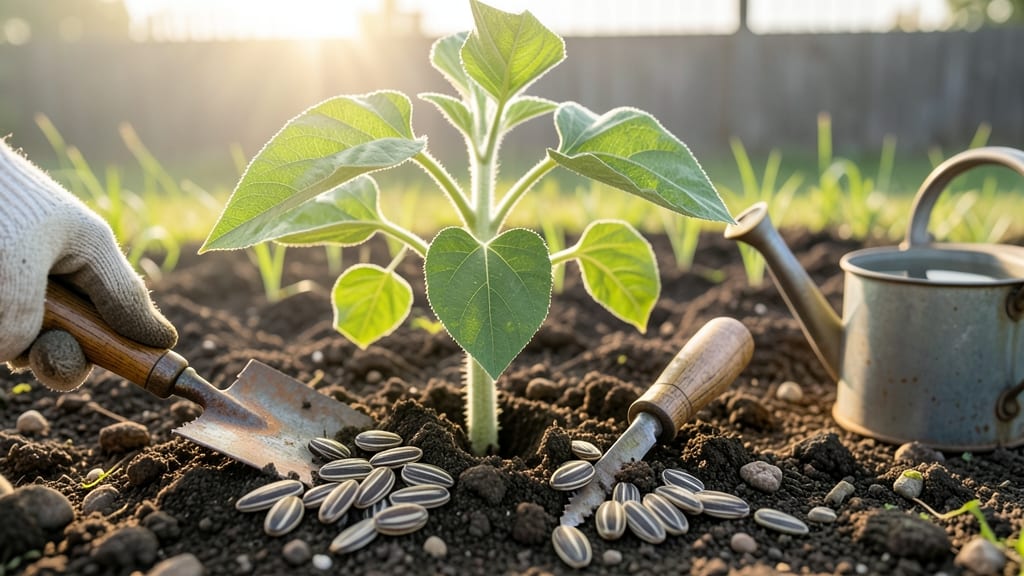
Planting sunflower seeds at the best time ensures fast germination and towering blooms by summer.
Picture this: you’ve waited all winter for those golden 🌻 faces to rise, only to watch your seeds sprout slowly—or worse, rot in cold soil. The secret to rapid growth isn’t just luck; it’s timing.
Sunflowers thrive when soil hits 60°F, which means planting too early in chilly zones can stall their progress for weeks.
Whether you’re in Zone 6a or a warmer region, knowing your last frost date and soil warmth is the key.
Below, I’ll break down the exact window for your area, plus pro tips to give your sunflowers a head start—so you’re harvesting seeds by fall instead of staring at stubborn sprouts.
Ready to turn your garden into a sunflower paradise? Let’s dive into the science behind warm soil and regional planting calendars that guarantee faster results.
Ideal soil temperature for sunflower seed germination: the 60°F rule
Sunflower seeds are sensitive little things—they need the right conditions to pop out of the ground quickly. The magic number for germination is 60°F soil temperature, though they can tolerate 55-60°F for slower starts.
Planting too early in cold soil leads to seed rot or delayed sprouting, while waiting for warm soil ensures rapid, uniform growth. This rule applies across USDA Zones 2-11, but timing adjustments matter based on your region.
Cold soil is the #1 enemy of sunflower seeds. When temperatures dip below 55°F, seeds may rot in the ground or take weeks to sprout. Even if your local forecast says it's 65°F outside, the soil might still be too cool.
That's why soil thermometers are my secret weapon—they tell the real story. Aim for 60°F or warmer at a 1-inch depth (where you'll plant) for best results.
Here’s how to test your soil warmth before planting: Stick a soil thermometer into the ground at 1-inch deep on a sunny morning. If it reads below 55°F, wait a few days or even weeks—especially in northern zones (2-6).
In warmer zones (7-11), you can plant as early as February-March, but monitor for sudden cold snaps.
| Zone | Soil Temp Threshold | Best Planting Window | Risk if Too Early |
|---|---|---|---|
| 2-4 (Cold Climates) | 60°F+ (wait until late May) | May 15 - June 15 | Seed rot, slow sprouting |
| 5-6 (Temperate) | 55°F+ (wait until April) | April 20 - May 30 | Stunted growth, fungal issues |
| 7-8 (Warm) | 50°F+ (plant by March) | March 1 - April 15 | Minimal risk, but avoid frost |
| 9-11 (Tropical) | 45°F+ (plant year-round) | February - October | None (warm climate) |
In USDA Zones 2-4, where winters are harsh, I recommend waiting until mid-to-late May to plant sunflowers. The soil needs time to warm up after snowmelt, and rushing can lead to damping-off disease.
Use black plastic mulch or row covers to speed up soil warming by 5-10°F if you're eager to plant earlier.
For Zones 5-6, aim to plant after your last frost date, which is typically mid-April to early May. Test your soil temperature for 3 consecutive days above 55°F before sowing.
If you're in doubt, err on the side of waiting—sunflowers are fast growers and can catch up quickly once they sprout.
Southern gardeners in Zones 7-11 have more flexibility. You can plant as early as February in Zone 9-11, but watch for unpredictable cold snaps. If a late frost hits, your seedlings could be damaged.
For a second crop, plant again in late June to enjoy fall blooms before winter sets in.
Pro tip: If you're planting in containers or raised beds, soil warms up faster than in-ground soil. These spots can be 5-10°F warmer, making them ideal for early planting in cooler zones.
Just ensure your containers have drainage holes to prevent waterlogging, which can cause seed rot even in warm soil.
Don’t forget that direct sunlight heats soil faster. Plant sunflowers in south-facing beds or near dark-colored mulch to create a microclimate that warms up quicker. This trick is especially helpful in Zone 4-6, where soil can stay cold well into spring.
A little extra warmth goes a long way for speedy germination.
Once your soil hits that 60°F sweet spot, sunflower seeds typically germinate in 7-14 days. Keep the soil consistently moist (not soggy) during this time, and you’ll see those first cotyledons breaking through the soil in no time.
Patience pays off—waiting for the right temperature ensures strong, healthy starts that grow into those iconic towering sunflowers.
Best planting months by u.s. region: sunflower seed calendar for maximum blooms
Timing is everything when planting sunflower seeds. In the Northeast, aim for late April to early June after the last frost, while Midwest gardeners have a slightly longer window from mid-April to mid-July.
These regional differences ensure your seeds sprout in warm soil (at least 60°F) for optimal germination. Southern regions can even start as early as March, while Western gardeners should plant between April and June to avoid summer heat stress.
Choosing the right planting month depends on your USDA zone and the sunflower variety. Early planting (like in March or April) works well for dwarf varieties (3-6 ft tall) that mature quickly, while taller varieties (6-12 ft) benefit from late spring planting to avoid lodging.
Always check your last frost date—planting too early risks frost damage, while late planting may delay blooms until fall.
| Region | Best Planting Months | Soil Temp Requirement | Variety Recommendation |
|---|---|---|---|
| Northeast (Zones 3-6) | Late April - Early June | 60-65°F | Dwarf or semi-dwarf (e.g., 'Teddy Bear') |
| Midwest (Zones 5-7) | Mid-April - Mid-July | 55-60°F | Standard (e.g., 'Mammoth') |
| South (Zones 8-10) | March - May | 65-70°F | Heat-tolerant (e.g., 'Autumn Beauty') |
| West (Zones 4-9) | April - June | 55-65°F | Drought-resistant (e.g., 'ProCut') |
For Northeast gardeners, late May planting is ideal for taller varieties like 'Russian Giant,' as it gives them enough time to mature before fall frosts.
In the Midwest, June planting works well for late-season blooms, though you’ll sacrifice size. Southern regions can enjoy year-round planting in mild climates, but spring planting yields the most vibrant blooms. Western gardeners should avoid summer planting, as extreme heat can stress young seedlings.
If you miss the ideal window, don’t worry! Sunflowers are resilient—you can still plant up to mid-summer in most regions, though blooms may appear later. For container gardening, start seeds indoors 2-3 weeks before your last frost date and transplant after soil warms.
This gives you an extra 2-4 weeks of growing time for shorter varieties like 'Sunspot.'
Pro tip: Use black plastic mulch to warm soil faster in cooler climates, or plant near south-facing walls to create a microclimate. These tricks can extend your planting window by 1-2 weeks, giving you more flexibility.
Always monitor soil moisture—sunflowers need consistent watering during germination but become drought-tolerant once established.
Remember, the key to success is planting when soil temps reach 60°F and your region’s last frost date has passed. With the right timing, you’ll enjoy towering sunflowers that bloom from summer to early fall—a true garden showstopper! 🌻