
Advice
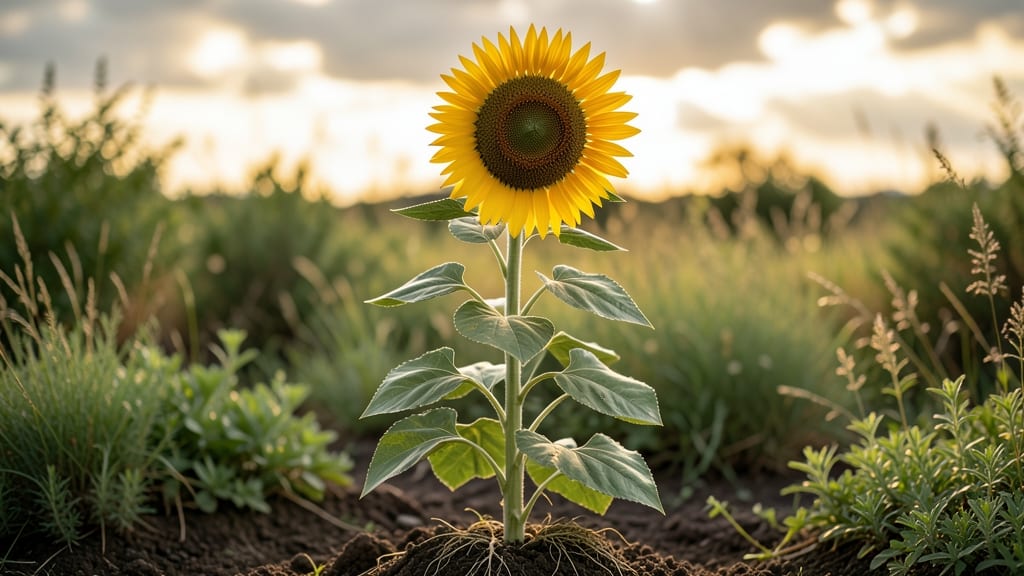
Sunflowers thrive with the right sunflower days to maturity in mind, maturing in 50 to 120 days depending on the variety, turning your garden into a towering display of golden cheer.
Ever wondered why some sunflowers bloom in 55 days while others take nearly four months? The difference isn’t just luck—it’s all in the genetics of the plant.
Dwarf varieties like 'Teddy Bear' reach maturity in about 60 days, while giants like 'Mammoth' need nearly 120 days to show off their massive blooms.
Knowing your sunflower’s days to maturity is the key to planning a garden that thrives. Plant too early, and frost might nip those buds before they open. Plant too late, and you’ll miss the summer harvest window entirely.
With the right timing, you can enjoy sunflowers from July to September, whether you’re growing them for seeds, bouquets, or just the joy of watching them grow.
In this guide, I’ll break down the exact days to maturity for popular varieties, share tips for adjusting your planting schedule based on your climate, and help you optimize conditions for faster, healthier growth. Let’s get those sunflowers blooming on time!
Sunflower days to maturity by variety: fastest to slowest bloomers
Choosing the right sunflower variety can make or break your growing season plans. Some dwarf varieties bloom in just 50 days, while giant sunflowers take nearly 120 days to reach maturity.
Whether you're working with a short summer or a long growing season, knowing these timelines helps you plan spacing and harvest timing like a pro.
Sunflowers are divided into three main categories based on height and maturity: dwarf varieties (1-3 ft), mid-size varieties (3-6 ft), and giant varieties (8-14 ft). Each category has its own days-to-maturity range, which directly impacts when you can expect those iconic golden blooms to appear.
Let’s dive into the fastest and slowest bloomers so you can pick the perfect fit for your garden.
If you're working with a short growing season, prioritize fast-maturing varieties like Teddy Bear or Moulin Rouge. These dwarf sunflowers bloom in as little as 50-60 days, making them perfect for container gardening
How to calculate your sunflower’s exact days to maturity
Calculating your sunflower’s exact days to maturity isn’t just about checking a seed packet—it’s about matching that timeline to your local climate and frost dates.
A 60-day variety planted too early in a cold zone might bolt before blooming, while a 120-day giant planted late could face frost before reaching maturity.
The key is adjusting your planting schedule based on three critical factors: the variety’s days to maturity, your last frost date, and your first frost date.
Start by finding your USDA hardiness zone and checking your local average frost dates. For example, in Zone 6a, the last frost typically occurs around April 15, while the first frost arrives by October 30. This gives you roughly 165 frost-free days to work with.
If you’re growing a 90-day sunflower, you’ll need to plant by early May to ensure it matures before fall frost. For shorter varieties like ‘Moulin Rouge’ (55 days), you can plant as early as late March or even late February with row covers.
Here’s how to adjust your planting timeline for peak blooms, no matter your zone or variety:
Use the USDA Plant Hardiness Zone Map to determine your last and first frost dates. Subtract the variety’s days to maturity from your frost-free days to calculate your latest planting date. For example, a 100-day variety in Zone 6a needs to be planted by June 20 to avoid frost damage.
Plant dwarf varieties (50-60 days) 2-4 weeks before your ideal date to extend your harvest window. For giant varieties (100-120 days), start seeds indoors 4-6 weeks before transplanting to maximize growth time. In cooler zones, use row covers or cold frames to push your planting window earlier.
For a continuous display of blooms, plant fast-maturing varieties every 2-3 weeks. For example, sow ‘Teddy Bear’ (60 days) in late March, followed by another batch in early May. This ensures you’ll have sunflowers blooming from June through September, even in shorter seasons.
Don’t assume seed packets account for your local climate. Overestimating frost-free days can lead to frost-nipped buds, while underestimating may leave you with no blooms. Always verify frost dates with your local Cooperative Extension Service or a trusted gardening app like PlantNet.
One of the biggest mistakes I see is gardeners planting sunflowers too early in hopes of a longer season. While sunflowers are cold-hardy seedlings, they won’t tolerate frost as mature plants.
If you’re in a Zone 5 or colder, consider starting seeds indoors 6-8 weeks before your last frost date. This gives your sunflowers a head start and ensures they’re large enough to handle cooler temperatures when transplanted.
For those in warmer climates (Zones 8-10), the challenge shifts to avoiding heat stress during peak summer months. Plant heat-tolerant varieties like ‘Autumn Beauty’ (100 days) in early spring or late summer to align blooms with cooler fall temperatures.
In these zones, you can often enjoy two harvests per year by planting once in spring and again in late summer.
Pro tip: Use a gardening journal to track your sunflower’s growth stages and adjust future plantings. Note when each variety sprouts, bolts, and blooms in your specific microclimate. Over time, you’ll refine your timing to perfection, ensuring your sunflowers reach their full glory—just in time for summer’s golden peak! ☀️🌻