
Propagation
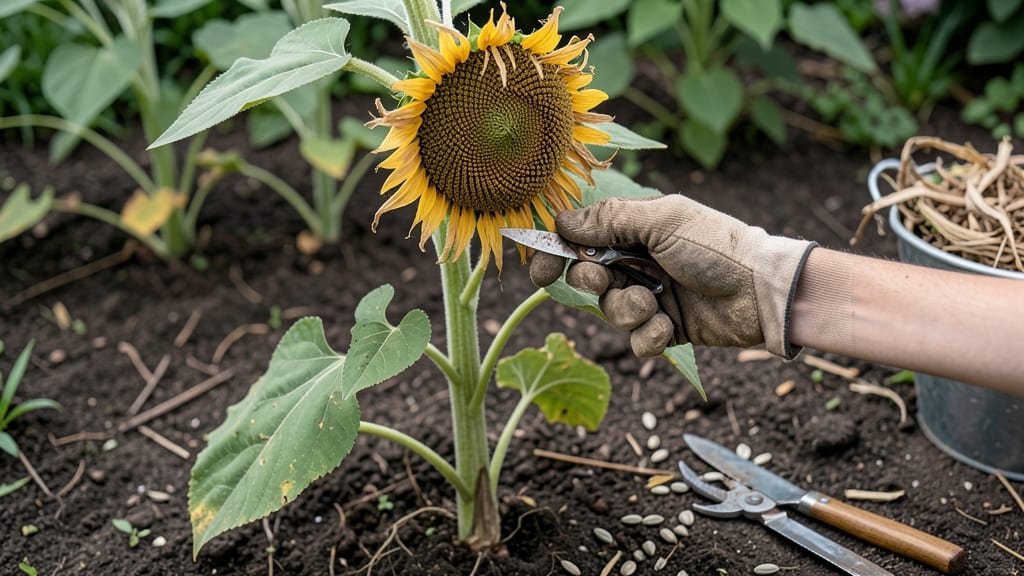
To cut sunflower heads at the perfect time means saving seeds for next year’s golden harvest—or risking wasted effort and lost potential.
Picture this: you’ve nurtured your 🌻 sunflowers all season, and now the moment arrives to harvest their seeds. But wait too long, and the heads scatter; cut too soon, and the seeds won’t sprout.
The difference between a successful seed bank and a garden full of empty stalks often comes down to timing.
In USDA Zone 6a, the ideal window falls in late summer to early fall—typically August through October—when petals droop and the back of the head turns yellow-brown. This is when seeds are fully mature but haven’t yet dispersed, ensuring you get the best viability for replanting.
Below, I’ll walk you through the exact visual cues to look for, the tools you’ll need, and how to store your seeds so they’re ready to grow again next spring.
The best time of year to harvest sunflower heads for seeds
Timing is everything when it comes to harvesting sunflower heads for seeds. The ideal window falls between late summer and early fall, typically August through October in most U.S. growing zones. This period aligns with when sunflowers reach full maturity, ensuring seeds are fully developed but not overripe.
Missing this window means you risk green, underdeveloped seeds or seed loss from birds and pests.
Climate plays a huge role in your harvest timing. In warmer southern zones (8-11), sunflowers may mature faster, pushing harvest dates toward late July or August. Meanwhile, cooler northern regions (zones 3-6) might see harvests stretching into October or November.
Always monitor your plants closely, as frost can ruin seed viability before you’re ready to harvest.
Different sunflower varieties also affect timing. Dwarf varieties (like 'Teddy Bear') mature in 50-60 days, while giant varieties (such as 'Mammoth') take 80-100 days. Check your seed packet for days to maturity and count backward from your first frost date to plan your harvest.
For example, if frost hits October 15, harvest giant varieties by mid-September to avoid seed spoilage.
| Season | Climate Zone | Sunflower Variety | Harvest Time | Key Visual Cues |
|---|---|---|---|---|
| Late Summer | Zones 3-6 | Dwarf (50-60 days) | Late August - Early September | Petals droop, back turns yellow-brown |
| Early Fall | Zones 7-10 | Standard (70-80 days) | September - Early October | Stem hardens, seeds rattle when shaken |
| Fall | All Zones | Giant (80-100 days) | Mid-September - Late October | Back of head fully brown, petals fallen |
One of the easiest ways to gauge readiness is by watching for visual changes in the flower head. Start by observing the petals: when they begin to droop or curl inward, it’s a clear sign the seeds are maturing.
Next, check the back of the flower head—it should transition from green to yellow-brown. This color shift indicates the seeds are drying out and nearing harvest.
Don’t overlook the seed head’s texture—a mature head will feel dry and papery to the touch. If you shake the head gently, you should hear seeds rattling inside. This "rattle test" is a foolproof way to confirm readiness.
If the head feels moist or the seeds don’t rattle, wait a few more days. Harvesting too early leads to green, unviable seeds that won’t sprout.
Another critical factor is the stem’s condition. A ripe sunflower stem will feel crisp and dry near the base of the head. If the stem is still pliable or green, the seeds aren’t ready.
Cutting at this stage wastes your effort and resources. Conversely, if the stem becomes brittle and snaps easily, you’ve waited too long, and seeds may scatter or lose viability.
Regional variations can shift your harvest timeline by 2-4 weeks. For instance, in California’s coastal zones (9-10), sunflowers may bloom earlier and finish by late August, while Midwest growers (zones 5-6) often harvest in September or October.
Always account for your local first frost date—sunflowers can tolerate light frosts, but heavy frost will kill the plant and ruin seeds.
Pro tip: If you’re growing sunflowers for both seeds and cut flowers, prioritize the heads you want for seeds. Cut the seed-bearing heads first when they’re ripe, leaving the showier blooms for arrangements.
This way, you maximize both your seed yield and garden aesthetics throughout the season. Just be sure to leave at least 1-2 inches of stem when cutting to preserve the head’s integrity.
Finally, avoid common mistakes like harvesting on rainy or humid days. Moisture speeds up mold growth and reduces seed viability. Aim to harvest on dry, sunny mornings when the heads are fully dry.
Store your cut heads in a well-ventilated, dry place for 1-2 weeks to complete the drying process before processing the seeds. This extra step ensures your seeds stay viable for next year’s planting. 🌻
How to identify perfectly ripe sunflower heads before cutting
Timing is everything when harvesting sunflower heads for seeds. Cut too early, and you’ll end up with green, immature seeds that won’t sprout. Wait too long, and the seeds may scatter or lose viability.
The key lies in watching for three critical visual cues that signal peak ripeness. I’ll walk you through each step so you never miss the perfect moment.
First, observe the flower petals. When they begin to droop downward or curl inward, it’s your first clue that the seed head is maturing. This usually happens 5-7 days after blooming, but don’t rush—wait until the petals are fully wilted before cutting.
The back of the flower head also transforms from green to yellow-brown, which is another telltale sign.
⚠️ WARNING: Common Mistake Alert! Cutting sunflower heads too early (when petals are still vibrant) results in green, unviable seeds that won’t store well. Overripe heads (with scattered seeds) waste your harvest. The 30-second shake test is foolproof: Gently shake the head—if seeds rattle inside, it’s ready.
If not, wait 2-3 more days. Avoid cutting in wet weather, as moisture speeds up seed deterioration. Always harvest on a dry, sunny morning for best results.
Next, focus on the seed head’s moisture level. A ripe sunflower head should feel dry and papery to the touch. If it still feels slightly damp or the seeds inside are soft, give it another 3-5 days to mature.
Pro tip: Run your thumb along the seed ridges—they should snap easily when dry, not bend like fresh wood.
Don’t overlook the stem’s condition. A mature sunflower stem will feel hard and crisp, almost brittle near the base. If it bends easily or oozes sap when cut, the head isn’t ready yet.
The stem’s dryness correlates directly with seed maturity, so this is your final check before harvesting.
For dwarf varieties (like ‘Teddy Bear’), the process is identical, but timing may be slightly faster—monitor them daily in late summer. Tall varieties (like ‘Russian Giant’) take longer, so start checking in early September.
Regional differences matter too: In warmer climates, heads ripen sooner; in cooler zones, they may need until October.
Once you’ve confirmed all three signs—drooping petals, yellow-brown backs, and rattle-test seeds—use a clean, sharp pruner to cut the stem 2-3 inches below the head.
Leave the seed casing intact to protect the seeds during drying. Hang heads upside-down in a well-ventilated, dry space for 2-3 weeks to complete the drying process.