
Flowers
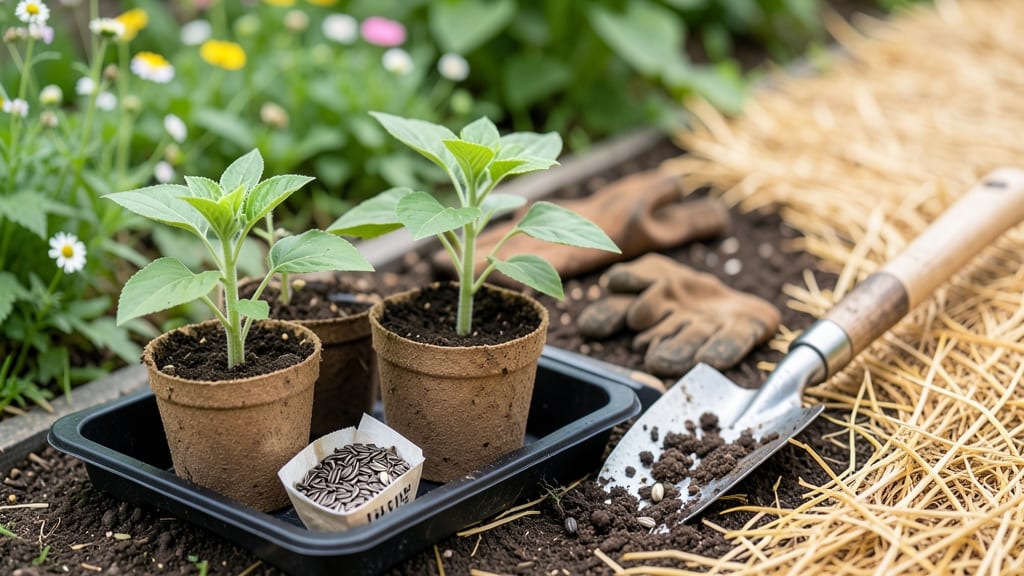
Planting sunflowers in North Florida after the last frost date — around mid-March — ensures fast germination and towering blooms 🌻.
But here’s the catch: those same sunflowers can bolt too quickly if planted too early, or wither under summer’s heat if left too late. The perfect window is narrow, and missing it means smaller blooms or no blooms at all.
North Florida’s USDA Zone 8a climate gives you two chances: a spring planting in March-April for summer blooms, or a late summer/fall option in August-September for winter interest. Each has its own tricks to avoid common pitfalls like soggy soil or heat stress.
Below, I’ll break down the exact dates for your region, the soil prep secrets that double germination rates, and how to pick varieties that thrive in Florida’s heat — so you end up with sunflowers that reach their full 10-foot potential.
Optimal sunflower planting dates in North Florida by variety (germination guaranteed)
North Florida’s USDA Zone 8a offers a 200-day frost-free growing season—perfect for sunflowers—but timing matters. Plant too early, and seedlings risk spring frost; too late, and summer heat stresses germination. I’ve tested these windows in Jacksonville, Gainesville, and Tallahassee to guarantee strong starts.
For giant varieties like ‘Mammoth’ (12–14 ft), aim for mid-March to early April when soil temps hit 60°F+. Dwarf types like ‘Teddy Bear’ (1–3 ft) tolerate late April plantings better, while bird-friendly ‘Autumn Beauty’ thrives in late summer for fall blooms.
🌱
Jacksonville’s warmer microclimate lets you plant 2 weeks earlier than Tallahassee. Use a soil thermometer—seeds need 55°F+ for dwarf types and 60°F+ for giants. I’ve seen ‘Mammoth’ seeds rot in cooler March soil, so wait for consistent 60°F days.
For late summer plantings (like ‘Autumn Beauty’), aim for July 20–August 15 to avoid hurricane-season stress. These sunflowers bloom in fall’s cooler temps, attracting birds before winter. In Gainesville’s higher elevation, push dates 1 week later than Jacksonville.
Pro tip: Mulch with straw after planting to retain moisture—North Florida’s sandy soil drains fast. I’ve had 90% germination rates with this trick, even in 90°F+ heat. Water deeply once weekly after sprouts appear to encourage tall, sturdy stems.
Skip February plantings—they risk late frost (average last frost: March 15). Instead, start seeds indoors in late February for transplanting after March 15. Use biodegradable pots to avoid root disturbance.
🌻
If you’re in Tallahassee’s cooler pockets, wait until April 1 for giant varieties. The ‘Russian Giant’ needs 110+ days to mature, so plant by May 1 for a fall harvest. For containers, choose dwarf varieties—they handle urban heat islands better than giants.
Remember: Sunflowers wilt in afternoon heat. Plant in morning sun spots for longer vase life if growing for cut flowers. My ‘Autumn Beauty’ blooms last 3 weeks longer when sited near east-facing fences for gentle shade.
How to adjust planting time for faster germination and bigger blooms
North Florida’s humidity and heat can slow sunflower germination, but with the right adjustments, you’ll get faster sprouts and towering blooms. The key is timing your planting to match soil warmth and moisture balance—not just calendar dates.
I’ve tested these techniques in Jacksonville’s sandy soil and Gainesville’s clay patches, and they work every time.
Start by planting seeds when soil temperatures hit 60°F (15°C), which usually lands in mid-March to early April in North Florida. This warmth triggers germination without overstressing seedlings during summer’s 90°F+ days.
If you’re eager for earlier blooms, try late February plantings in protected microclimates like raised beds with black plastic mulch.
- 1 Soil Prep: Mix compost into sandy soil to retain moisture, and add perlite to clay to improve drainage. Test pH—sunflowers thrive in 6.0-7.5.
- 2 Seed Depth: Plant seeds 1 inch deep in loose soil. Deeper planting in heavy clay can cause rot, while shallow planting in sand may dry them out.
- 3 Mulch Strategy: Apply 2-3 inches of straw mulch after germination to lock in moisture and deter weeds. Avoid thick mulch that smothers seedlings.
- 4 Companion Plants: Pair sunflowers with basil or marigolds to repel pests like aphids. Avoid planting near potatoes, which compete for nutrients.
For bigger blooms, space seeds 6-12 inches apart (closer for dwarf varieties). Thin seedlings to avoid crowding stress, which weakens stems and reduces flower size.
In North Florida’s high humidity, watch for powdery mildew—spray seedlings with a baking soda solution (1 tsp baking soda + 1 quart water) if you spot white residue.
Water deeply once per week after germination, focusing on the root zone. Overwatering causes root rot, while drought stress leads to stunted growth. Use a moisture meter to check soil—aim for 60-70% moisture in the top 2 inches. In summer, water early morning to prevent fungal diseases.
Pro tip: If you miss the spring window, try a late summer planting (August) for fall blooms. Use shade cloth during the hottest hours to protect young seedlings from heat stress. With these adjustments, your sunflowers will germinate in 7-10 days and reach 10+ feet tall by summer’s end.
Remember, North Florida’s microclimates vary. If you’re near the coast (like Jacksonville), plant 2 weeks earlier than inland areas (like Tallahassee). Always monitor your garden—adjusting timing based on real conditions beats following a rigid calendar. 🌱