
Flowers
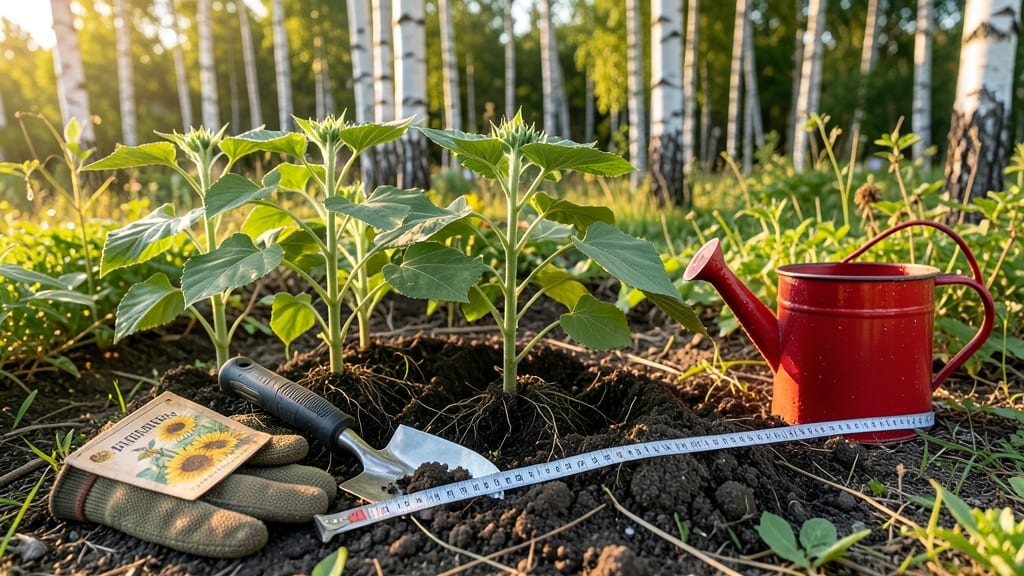
Planting sunflowers in Oklahoma between mid-April and early May ensures they soar to 10-foot heights before summer’s brutal heat arrives.
Picture this: a 🌻 towering over your fence by July, its petals glowing like Oklahoma’s golden prairie at sunset. But miss that window, and you’ll end up with stunted plants struggling against the heat—or worse, bolting before they even bloom.
The difference between a fast-growing giant and a sad, scraggly stem often comes down to timing.
Oklahoma’s USDA Zone 7a means your last frost typically lingers until early April, giving you a narrow but critical window to get seeds in the ground. Soil should be at least 50°F—any earlier, and cold snaps will stall germination.
The key is planting when the ground is warm enough but before the 90°F+ days of June, which can stress young plants.
Below, I’ll break down the exact dates for northern vs. southern Oklahoma, how to prep soil for maximum height, and the one trick that extends your growing season by three weeks—even in Oklahoma’s unpredictable climate.
Best planting dates for sunflowers in Oklahoma’s USDA Zone 7a
Oklahoma’s USDA Zone 7a offers a short but intense growing season where timing is everything for sunflowers. The key window to plant is after your last frost date—typically mid-April to early May—when soil temperatures consistently stay above 50°F.
This ensures your seeds germinate quickly and your plants avoid late-spring frosts that can stunt growth.
Sunflowers thrive in Oklahoma’s heat, but planting too early risks bolting (premature flowering) due to fluctuating temperatures. Conversely, waiting too long may result in shorter stems and fewer seeds before the first frost in October. Let’s break down the exact planting calendar tailored to Oklahoma’s climate.
For early varieties, start seeds indoors in late February using heat mats to maintain 70-75°F soil temps. Transplant outdoors after the last frost, typically by April 15th. This head start helps you beat Oklahoma’s unpredictable spring weather and ensures taller stems.
If you prefer direct sowing, wait until mid-April when nighttime temperatures stay above 50°F. Use a soil thermometer to confirm—sunflowers won’t germinate below 50°F. Plant seeds 1 inch deep and 6-12 inches apart in rows spaced 2-3 feet apart for optimal air circulation.
Oklahoma’s summer heat can stress sunflowers if planted too late. For a second planting, try late July to early August to enjoy fall blooms.
Choose heat-tolerant varieties like 'Russian Giant' that thrive in 90°F+ temperatures. Just be prepared for shorter growing seasons before the first frost in October.
Pro tip: Test your soil before planting—sunflowers prefer slightly acidic to neutral pH (6.0-7.0). Amend heavy clay soils common in Oklahoma with compost or sand to improve drainage. Well-drained soil prevents root rot and helps sunflowers reach their full height potential.
Water deeply once a week after germination to establish roots, then reduce to every 10-14 days once established. Oklahoma’s drought conditions make sunflowers surprisingly resilient—overwatering is more dangerous than underwatering. Mulch with straw or wood chips to retain moisture and suppress weeds.
Monitor your sunflowers for bird damage—Oklahoma’s goldfinches and sparrows love sunflower seeds! Use bird netting if you’re growing sunflowers for seed production. For cut flowers, harvest when 20-30% of petals open to extend vase life.
Remember: Sunflowers are fast growers—from seed to bloom in just 60-90 days. In Oklahoma’s Zone 7a, aim to plant by May 1st for the best balance of height, yield, and seed production before winter sets in.
How to extend sunflower growing season in Oklahoma’s short summers
Oklahoma’s short, intense summers can challenge sunflower growth, but with the right strategies, you can extend blooming seasons and prevent heat stress. The key lies in succession planting, shade management, and choosing drought-resistant varieties that thrive in your USDA Zone 7a climate.
Sunflowers bolt quickly when stressed by heat, so timing and variety selection are critical. By planting in stages and using light shade cloth, you can coax taller stems and longer-lasting blooms—even when temperatures soar past 90°F.
Let’s break down the proven methods to maximize your sunflower season.
Another trick is to plant sunflowers near windbreaks, like tall grasses or fences, to reduce stem damage from Oklahoma’s prevailing winds. This also protects smaller varieties from toppling during storms.
For a second harvest in fall, sow late-season varieties like ‘Autumn Beauty’ in early August. These thrive in cooler temperatures and often bloom until first frost, extending your cutting garden season by weeks.
With these techniques, your sunflowers can reach their full potential—even in Oklahoma’s short, hot summers. Start small, experiment with varieties, and watch your sunflower oasis flourish longer than ever before! 🌻