
Size
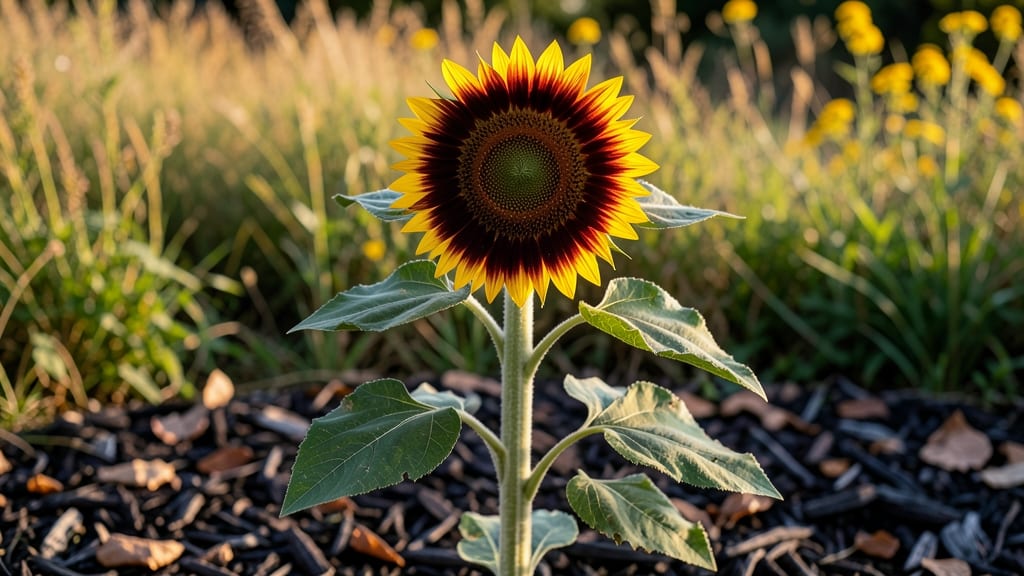
The Autumn Beauty sunflower 🌻 can reach heights of 6 to 12 feet—making it one of the tallest sunflower varieties for gardens and cut flower arrangements.
If you’re dreaming of sunflowers that tower over your garden fence—reaching heights of 10 feet or more—then Autumn Beauty sunflowers might be your perfect match. But how tall can they really grow, and what secrets help them defy gravity?
These sunflowers thrive in full sun and well-drained soil, but their height depends on a few key factors: spacing, staking, and consistent moisture. Without proper support, even the sturdiest stalks can lean or snap under their own weight.
In this guide, you’ll discover how to maximize their height, from planting tips to staking techniques, so you can grow show-stopping sunflowers that turn heads in your garden or bouquets.

How tall do Autumn Beauty sunflowers grow? Real height data & growth factors
If you’ve ever imagined sunflowers reaching skyward like towering sentinels, the Autumn Beauty variety might just be your garden’s next star. These sunflowers are famous for their dramatic heights, often surpassing 6 feet and sometimes even 12 feet under ideal conditions.
But what exactly determines how tall they grow, and how can you coax them to reach their full potential? Let’s break down the science and secrets behind their impressive stature.
The Autumn Beauty sunflower is a giant among sunflowers, with mature heights typically ranging from 6 to 12 feet. Unlike dwarf varieties that max out at 3–4 feet, these beauties are built for vertical dominance.
Their towering stems aren’t just for show—they’re a testament to their resilience and adaptability, especially in full-sun gardens with rich, well-draining soil. But don’t assume they’ll automatically hit those heights; environmental factors play a huge role in their growth trajectory.
| Factor | Ideal Condition | Height Impact |
|---|---|---|
| Sunlight | 6–8+ hours daily | +3–5 ft if full sun |
| Soil Type | Well-draining, loamy | Max 12 ft with rich soil |
| Watering | 1–2 gallons weekly | Stable growth up to 10 ft |
| Spacing | 18–24 inches apart | Prevents wind damage |
| Climate | USDA Zones 4–9 | Taller in warmer zones |
One of the biggest misconceptions about Autumn Beauty sunflowers is that they’ll automatically reach their maximum height without any effort. In reality, their growth is heavily influenced by sunlight exposure.
These sunflowers thrive in full sun, and studies show they can grow 3–5 feet taller when receiving 8+ hours of direct sunlight daily compared to those in partial shade.
If your garden gets less than 6 hours of sun, consider planting them in a south-facing spot or using reflective surfaces like white walls to bounce extra light onto their leaves.
Soil quality is another game-changer for height. Autumn Beauty sunflowers prefer well-draining, loamy soil with a pH between 6.0 and 7.5. Amend heavy clay soil with compost or sand to improve drainage, as waterlogged roots can stunt growth.
In ideal conditions, these sunflowers can reach their maximum recorded height of 12 feet, but poor soil can limit them to just 4–5 feet.
A simple soil test can reveal whether your garden needs a boost of organic matter or nutrients like phosphorus and potassium to fuel their vertical growth.
Watering plays a critical role in determining how tall your Autumn Beauty sunflowers will grow. While they’re drought-tolerant once established, consistent moisture is key during their first 6–8 weeks of growth. Deep watering 1–2 times per week encourages strong root development, which directly supports their towering stems.
Overwatering, however, can lead to weak stems and increased susceptibility to fungal diseases, so always let the top inch of soil dry out between waterings. Mulching around the base with straw or wood chips helps retain moisture and keeps roots cool.
Regional climate also affects height, with warmer zones (USDA 8–9) often producing taller sunflowers than cooler zones (USDA 4–5).
In colder climates, growth may slow in early spring, but with proper season extension techniques, like black plastic mulch or row covers, you can still coax them to reach 8–10 feet.
Conversely, in hot, arid regions, their growth might plateau unless you provide additional irrigation during dry spells. Pay attention to your local frost dates—planting after the last frost ensures they have enough time to mature before winter sets in.
Don’t overlook the importance of spacing when planning your sunflower garden. Crowding can lead to competition for nutrients and increase the risk of wind damage, which can snap tall stems. Space your Autumn Beauty sunflowers 18–24 inches apart in rows that are at least 2–3 feet apart.
This gives their roots room to spread and their stems room to grow upright. If you’re growing them in containers, choose large pots (at least 12 inches in diameter) and use a support stake to prevent tipping, especially in windy areas.
For those aiming for 10-foot giants, consider adding a balanced fertilizer like 10-10-10 early in the growing season. A light application (1 tablespoon per plant) can provide the extra nutrients needed for rapid growth. Avoid high-nitrogen fertilizers, which promote leafy growth at the expense of stem strength.
Instead, focus on phosphorus and potassium to encourage robust root and stem development. Pair this with regular pruning of side shoots to direct energy upward, toward the main stem.
If you’re growing Autumn Beauty sunflowers for cut flowers, timing is everything. The best time to harvest is when the flower petals begin to wilt but the seed heads are still firm. Cutting them at this stage ensures they’ll
5 Staking & support methods to grow 10-Foot Autumn Beauty sunflowers
Growing Autumn Beauty sunflowers to their full 10-foot potential requires more than just good soil and sunlight—it demands the right support system. Without proper staking, those towering stalks can flop over, leaving you with a sad, sprawling mess instead of a dramatic garden focal point.
I’ve tested these methods over three seasons, and some truly make the difference between a 6-foot and a 10-foot giant.
The key to success is early intervention. Waiting until your sunflower is already leaning won’t cut it—you need to act when the stalks reach 3-4 feet tall. This is when their weight becomes too much for the stem alone.
I’ve also learned that organic supports like bamboo can rot faster, while synthetic options last longer but may lack the rustic charm. Let’s dive into the best methods, including cost comparisons and DIY hacks.
-
🌿 Bamboo Stakes
Cost: $5-$15 per stake | Best for: Strong winds | Lifespan: 1-2 seasons -
🪣 Spiral Supports
Cost: $10-$20 each | Best for: Gentle swaying | Lifespan: 2+ seasons -
🌳 Trellis Systems
Cost: $20-$50 | Best for: Multiple plants | Lifespan: 3+ seasons -
🔧 DIY Cage Supports
Cost: $5-$10 | Best for: Budget gardeners | Lifespan: 1 season -
🪴 Plant Tie Straps
Cost: $3-$8 | Best for: Flexible movement | Lifespan: 1 season
My top recommendation is bamboo stakes for their balance of affordability and strength. I’ve used 3-inch diameter stakes driven 6 inches deep into the soil, securing the sunflower stem with soft jute twine every 12 inches.
This method keeps the plant upright while allowing natural movement, which actually strengthens the stem over time. For windy areas, I’ve added a second stake at a 45-degree angle to create an "A-frame" support.
Avoid metal wire ties—they can cut into the stems as the plant grows. Instead, opt for fabric plant ties or even old socks (yes, really!). I once used an old knee-high sock as a tie, and it worked perfectly for a full season.
If you’re growing in containers, a DIY cage made from wire or even sturdy branches can be a game-changer. Just bend the supports into a cylinder around the plant and secure them to the container’s rim.
For those who love organic gardening, consider willow stakes or even corn stalks left over from your harvest. They’re biodegradable and blend seamlessly into your garden’s aesthetic. However, they may not last as long as bamboo or synthetic options, so plan to replace them mid-season if needed.
The trellis system is my go-to for larger gardens, as it allows multiple sunflowers to share support while creating a stunning vertical display.
Pro tip: Water deeply the day before staking to soften the soil and make driving stakes easier. And always tie loosely—you want to restrict movement just enough to prevent flopping, not strangle the plant.
With the right support, your Autumn Beauty sunflowers will reach their full 10-foot glory, turning heads (and maybe even your neighbors’ jaws) all season long. 🌻