
Neem Oil
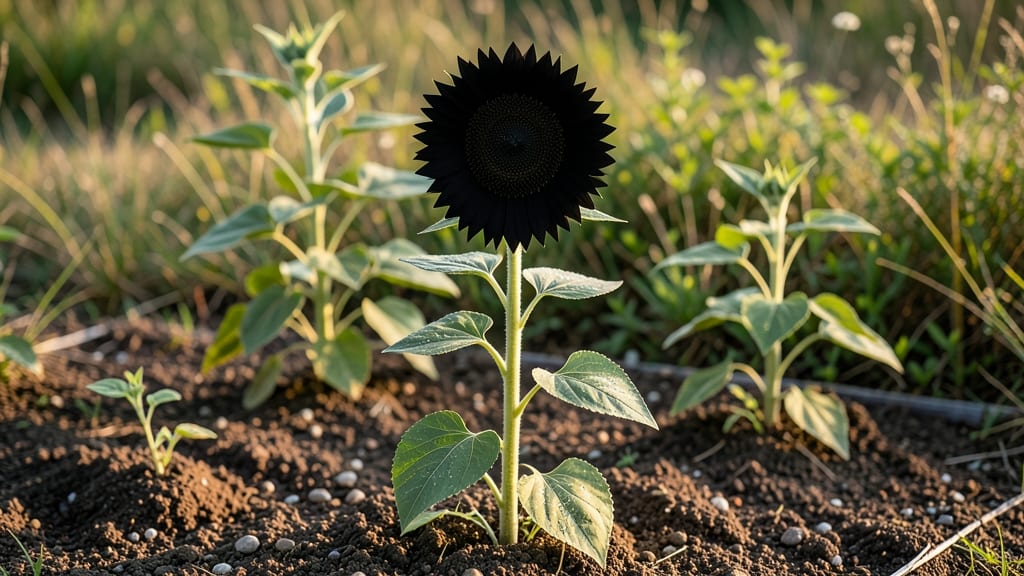
Understanding the Black Oil Sunflower growth stages 🌻 is the secret to growing towering plants that feed birds, fuel engines, and even boost your garden’s biodiversity—all in one season.
If you’ve ever planted these giants only to watch them flop under the weight of their own seed heads—or worse, bolt too early—you know timing is everything.
Each stage demands a different kind of care, from thinning seedlings to protecting flowers from pests, and missing the cues can mean lost harvests.
Here’s the breakdown you need: from the first true leaves poking through soil in April to the moment seeds rattle in their heads by October, we’ll cover the milestones, warning signs, and pro tips to keep your Black Oil Sunflowers thriving at every step.
By the end, you’ll know exactly when to water, fertilize, and harvest—so you can grow sunflowers that don’t just survive, but soar.


Black oil sunflower growth stages explained: seed to full maturity timeline
Understanding the black oil sunflower growth stages transforms your garden from guesswork to precision. This fast-growing annual follows a predictable timeline from seed to towering 10-foot stalks, but each phase demands specific care.
Whether you're growing for birdseed production, biofuel crops, or simply stunning summer blooms, timing is everything.
From the first cotyledon leaves to the seed maturation phase, black oil sunflowers complete their lifecycle in just 75-90 days under ideal conditions. The key to maximizing yield lies in recognizing these distinct stages and adjusting your watering schedule, fertilizer applications, and pest monitoring accordingly.
📌 Critical Insight: While the growth timeline remains consistent, environmental factors like soil temperature (ideal: 70°F+) and daylight hours (14+ hours) can accelerate or delay progress by up to 2 weeks.
| Stage | Timeframe | Key Visual Cues | Critical Care |
|---|---|---|---|
| Germination | 5-14 days | First cotyledon leaves (round, fuzzy edges) | Keep soil consistently moist, avoid overcrowding |
| Vegetative | Weeks 3-6 | True leaves appear (lance-shaped, serrated) | Thin to 12-18" spacing, side-dress with nitrogen |
| Bolting | Week 6-7 | Rapid stem elongation (3+ inches/day) | Increase phosphorus for flower development |
| Flowering | Weeks 7-9 | Bud formation (green bracts), then yellow blooms | Reduce watering slightly, monitor for pests |
| Seed Development | Weeks 9-12 | Seed head turns brown at base, seeds rattle | Harvest when back turns yellow, dry thoroughly |
Let's start with the germination stage, where timing is most critical. Black oil sunflower seeds typically sprout within 5-14 days after planting, provided soil temperatures remain above 60°F. The first visual clue is the emergence of cotyledon leaves—those distinctive round, fuzzy-edged leaves that appear before true foliage.
During this phase, maintain consistent soil moisture without waterlogging, as excessive moisture can trigger damping-off disease.
Once seedlings reach the vegetative stage (typically 3-6 weeks after germination), you'll notice the appearance of true leaves—longer, lance-shaped leaves with serrated edges. This is when you should thin seedlings to 12-18 inches apart to prevent competition.
Apply a balanced fertilizer (5-10-10) to encourage robust stem development, as these plants will soon begin their rapid upward growth.
The bolting phase marks the beginning of the plant's dramatic height increase, with stems potentially elongating 3+ inches per day. This phase occurs around 6-7 weeks and signals the plant's transition toward flowering. To support this critical growth spurt, shift your fertilization focus to phosphorus-rich options, which
Key milestones to monitor for black oil sunflower success
Black oil sunflowers grow rapidly, but their success hinges on recognizing critical milestones that dictate when to act. From seedling thinning to pest prevention, each stage demands specific attention.
Missing these cues can mean stunted growth or lost harvests. I’ve learned that timing is everything—especially when adjusting irrigation schedules or addressing nutrient deficiencies.
One of the first milestones is when your seedlings reach the 2-3 true leaf stage. This is your cue to thin them to 12-18 inches apart, preventing overcrowding.
I always use sharp scissors to avoid disturbing roots, and I replant the thinned seedlings elsewhere. This step ensures each plant gets enough sunlight and nutrients to thrive.
⚠️ callout warning ⚠️
🚨 Critical Growth Stage Alerts
- Seedling Stage (Weeks 2-3): Thin to 12-18" apart or risk powdery mildew from poor airflow.
- Vegetative Growth (Weeks 4-6): Watch for aphid infestations on new leaves—spray with neem oil if needed.
- Flowering (Weeks 7-9): Reduce watering slightly to prevent head rot; ensure 1-2 gallons per plant weekly.
- Seed Maturation (Weeks 10-12): Harvest before birds strip seeds; cover heads with mesh bags if needed.
Pro Tip: Morning watering prevents fungal diseases like Sclerotinia, a common threat during flowering.
As your sunflowers enter the vegetative growth stage (typically 4-6 weeks after sowing), focus shifts to soil health and pest control. I always check the undersides of leaves for aphids or spider mites, which thrive in dry conditions.
A strong spray of water or insecticidal soap can prevent outbreaks before they spread. During this phase, side-dressing with compost boosts root development.
When buds form and the flower stalk elongates (around 7-9 weeks), adjust your watering routine. Overwatering now can cause head rot, a devastating fungal disease. I reduce frequency to every 5-7 days while ensuring deep soaks.
This stage is also when I monitor for bird activity—covering seed heads with lightweight mesh can save your harvest.
Finally, the seed maturation stage (weeks 10-12) is your reward. Look for the back of the seed head to turn yellow and the base to brown—this means seeds are ready.
I harvest by cutting heads and hanging them in a dry, dark place to finish ripening. If left too long, seeds may scatter or attract pests like sunflower moths.
By tracking these milestones—thinning, pest checks, water adjustments, and harvest cues—you’ll maximize your black oil sunflower’s potential. Each step builds on the last, turning a simple seed into a towering, seed-rich powerhouse. 🌻