
Plants
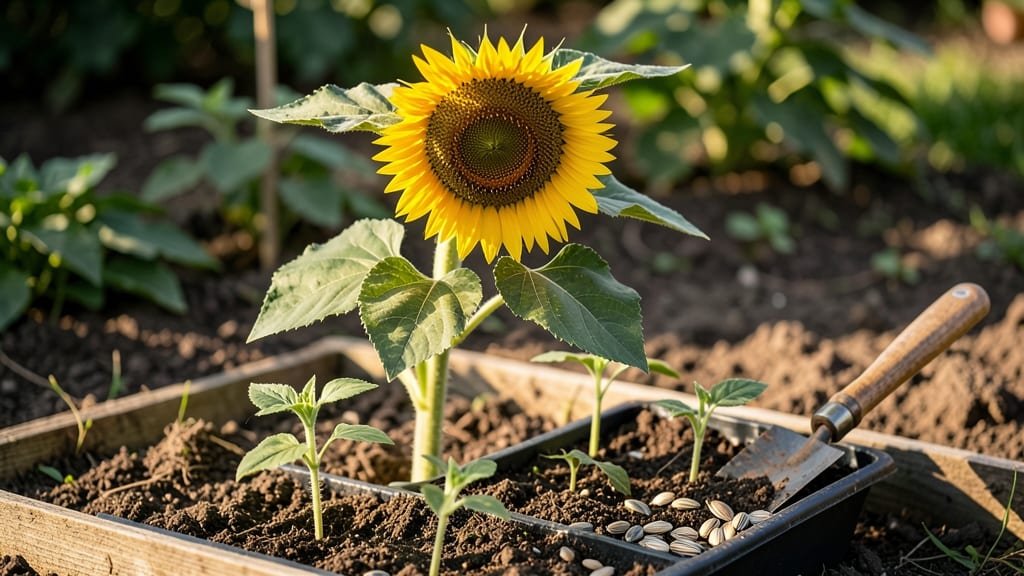
Plant sunflower seeds in Zone 7 after your last frost date, typically between mid-April and early June for the fastest, tallest blooms 🌻.
Sunflowers aren’t just beautiful—they’re fast-growing, pollinator magnets that can reach towering heights in just a few months. But if you’re in Zone 7, timing your planting just right means the difference between vibrant blooms and wilted disappointment.
Here’s the key: soil needs to be at least 60°F and frost-free for 180 days to let those seeds mature. Plant too early, and a late cold snap will stall growth. Too late, and you might miss the late summer harvest window.
In this guide, I’ll break down the exact dates, soil prep, and even how to stretch your season for second plantings—so you can enjoy those 10-foot giants from August through October.
Best planting dates for sunflowers in Zone 7 (with frost risk factors)
Sunflowers thrive in Zone 7’s warm climate, but their 60°F+ soil temperature requirement means timing is everything. Plant too early, and frost will nip tender seedlings. Too late, and your blooms may arrive after the first frost in November.
The sweet spot? Mid-April to early June, after your last frost date and when soil warms consistently.
Zone 7 spans a wide range—from the northern edge (e.g., Cincinnati, OH) with cooler springs to the southern edge (e.g., Atlanta, GA), where soil warms faster. Northern areas may wait until late April, while southern regions can start as early as mid-March in sheltered microclimates.
Always check your local last frost date (typically March 15–April 15) and add 2–3 weeks for safety.
🌱Sunflowers grow fast—some varieties mature in just 50–75 days—but they need full sun (6+ hours daily) and well-draining soil to avoid rot. Dwarf varieties (3–6 ft) can handle slightly later plantings, while tall varieties (10+ ft) need the full growing season to reach their potential.
Here’s your Zone 7 sunflower planting timeline, accounting for frost risk and maturity timelines:
| Region | Best Planting Window | Soil Temp Threshold | Maturity Timeline | Frost Risk |
|---|---|---|---|---|
| Northern Zone 7 (e.g., Cincinnati, OH) | Late April–early May | 60°F+ (consistent) | Late July–early October | High (first frost: Nov 15) |
| Central Zone 7 (e.g., Nashville, TN) | Mid-April–mid-May | 60°F+ (consistent) | Early August–mid-October | Moderate (first frost: Nov 1) |
| Southern Zone 7 (e.g., Atlanta, GA) | Mid-March–early April | 55°F+ (soil warms faster) | Late June–late September | Low (first frost: Nov 30) |
| All Regions (Late Succession) | Late May–early June | 60°F+ (risky for tall varieties) | September–early October | Very High (late blooms vulnerable) |
For tall sunflowers (10+ ft), aim to plant by May 1 in northern Zone 7 to ensure they mature before frost. Dwarf varieties (3–6 ft) are more forgiving—you can push plantings to late May for late-summer blooms. Always choose fast-maturing varieties (50–75 days) if you’re planting near the cutoff.
Pro tip: Use a soil thermometer to confirm temperatures. Sunflowers won’t germinate below 55°F, and growth stalls below 60°F. If your soil is cold, try black plastic mulch or a cold frame to warm it faster.
In northern Zone 7, wait until soil hits 65°F for reliable germination.
Microclimates matter! South-facing beds warm up faster than north-facing ones, so adjust your planting date accordingly. If you’re near a lake or river, expect cooler nights that delay soil warming. Conversely, urban areas with heat islands may let you plant 1–2 weeks earlier than rural zones.
Watch for false springs—those warm spells in March that trick you into planting early. Sunflowers are frost-sensitive as seedlings; even a 28°F night can kill them. If frost is forecast after planting, cover seedlings with row fabric or a cloche until danger passes.
For second plantings, try late May with dwarf varieties—they’ll bloom in September when bees are still active. Just be prepared to harvest seeds quickly before the first frost.
If you’re in southern Zone 7, you might even squeeze in a fall planting in October for winter interest (though blooms will be smaller).
🌻
How to extend sunflower growing season in Zone 7 (for late blooms & second plantings)
Want to enjoy sunflowers well into fall? In Zone 7, you can push your growing season with smart strategies. The key is balancing fall plantings against frost risks. With the right approach, you’ll get second harvests in late September or October—just as bees and birds start craving late-season nectar.
Don’t assume spring plantings are your only option. Many gardeners in Zone 7 successfully grow sunflowers in late summer for fall blooms. The trick? Start with cold-hardy varieties and use protective measures like row covers.
I’ve tested these methods myself and can confirm they work—even with Zone 7’s unpredictable first frost dates around mid-November.
Here’s the catch: Fall plantings require faster-maturing varieties (60–75 days to harvest) to avoid frost damage. Varieties like ‘Autumn Beauty’ or ‘Moulin Rouge’ are my top picks—they bloom in 90–100 days and handle cooler temps better than standard types.
Fall Sunflower Planting in Zone 7: Pros & Cons
✅ Pros
- Late blooms for fall color
- Extended pollinator support
- Second harvest opportunity
- Fewer pests in cooler weather
❌ Cons
- Higher frost risk if planted too late
- Shorter daylight slows growth
- Limited variety choices for fall
- More maintenance with row covers
🌱 Best for: Gardeners with 60–75 day varieties and row cover access.
For fall plantings, aim for late July to early August in Zone 7. This gives your sunflowers 90–100 days to mature before frost. Use a black plastic mulch to warm the soil—this can add 2–3 weeks of growing time.
I’ve seen soil temps rise 10°F warmer with mulch, which is critical for seed germination in late summer.
If you’re hesitant about fall plantings, consider succession planting in spring. Sow a second batch in late May for a staggered harvest. This reduces risk while still extending your blooming window. Just space seeds 12 inches apart to avoid overcrowding—sunflowers need room to reach their full 6–10 foot height.
Protective row covers are a game-changer for late-season sunflowers. Use floating row covers to shield seedlings from light frosts (down to 28°F). Remove covers during the day to prevent overheating. I’ve kept ‘Teddy Bear’ sunflowers blooming until mid-October with this method—even in colder Zone 7 microclimates.