
Flowers
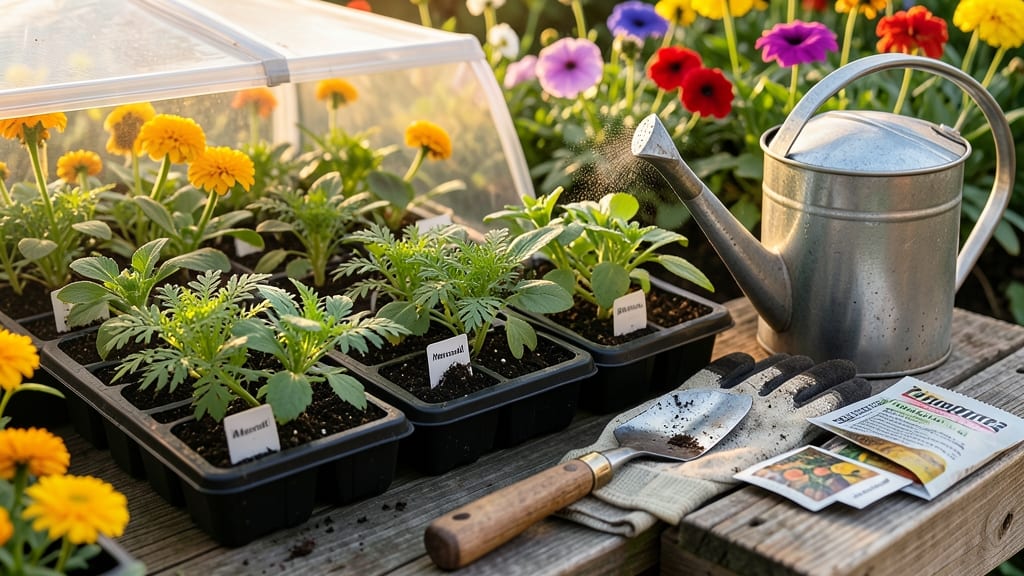
You can start planting flowers as soon as the soil warms to 45°F or above—the exact timing depends on your zone, flower type, and whether you’re planting bulbs, annuals, or perennials.
Timing your flower planting perfectly can mean the difference between a vibrant garden and a struggle against frost—soil temperature is the secret weapon most gardeners overlook.
In USDA Zone 6a, like many temperate regions, early spring is the sweet spot for cold-hardy varieties, but late summer still offers a window for heat-loving blooms. The key is knowing when your local soil is ready and which flowers thrive at what temperatures.
Below, I’ll break down the best planting windows by flower type, how to test soil readiness, and how to adjust for late frosts or regional quirks—so you can get the best blooms with minimal guesswork.


Soil temperature guidelines for planting flowers by type
Timing your flower planting based on soil temperature—not just air temperature—is the key to avoiding frost damage and ensuring strong root growth. Most flowers won’t thrive if planted too early, even if the air feels warm.
For example, cool-season flowers like pansies can handle 40°F soil, while warm-season favorites like marigolds need 60°F or warmer to germinate properly. Regional adjustments are critical: gardeners in USDA Zone 5 should wait longer than those in Zone 8.
Understanding these soil temperature triggers helps you avoid common mistakes like planting tender annuals too soon, which can lead to leggy, weak stems or even death.
A soil thermometer (just $10 at garden centers) is your best tool—planting when the soil hits the right temperature guarantees healthier blooms and fewer replanting headaches. Let’s break down the ideal ranges for your favorite flowers.
| Flower Type | Ideal Soil Temp (°F) | USDA Zones | Planting Window | Notes |
|---|---|---|---|---|
| Cool-Season Annuals | 40–50°F | 3–7 | Early spring (3–4 weeks before last frost) | Pansies, snapdragons, sweet peas |
| Warm-Season Annuals | 60–70°F | 5–10 | After last frost (soil >60°F) | Marigolds, zinnias, petunias |
| Perennials (Spring) | 50–60°F | All zones | Early spring (soil thawed) | Coneflowers, black-eyed Susans |
| Bulbs (Spring) | 45–55°F | 3–8 | Fall (6–8 weeks before frost) | Tulips, daffodils, hyacinths |
| Cold-Hardy Annuals | 35–45°F | 2–5 | Early spring or fall | Lobelia, sweet alyssum, calendula |
⚠️ Pro Tip: Adjust for late frosts by waiting 2–3 weeks after your average last frost date for warm-season flowers.
For cool-season flowers, like pansies and snapdragons, the soil temperature should hover between 40–50°F—this is often weeks before the air feels spring-like. These flowers thrive in cooler weather and can even tolerate light frosts.
In USDA Zone 5, that might mean planting in late March or early April, while in Zone 9, you could start as early as February. Always check your local frost dates and adjust accordingly.
Warm-season annuals, such as marigolds
How to check soil temperature and prepare for planting
Knowing when to plant flowers isn't just about checking the calendar—it's about understanding your soil temperature. Most flower seeds and transplants need consistent warmth to germinate and thrive.
If you plant too early, a late frost can wipe out your efforts, while waiting too long might miss the optimal growing window. The key is testing your soil's readiness before you dig in.
For most flowers, the ideal soil temperature ranges between 60°F and 70°F at a depth of 2-4 inches. Cool-season flowers like pansies or snapdragons can tolerate 45°F to 55°F, while warm-season favorites like marigolds or zinnias need at least 65°F.
Without testing, you might guess wrong—especially if your spring has been unusually chilly or warm.
Here’s how to check your soil temperature accurately and prepare your garden bed for planting:
-
Step 1: Gather Tools
You’ll need a soil thermometer (digital or analog), a small trowel, and a notebook to record readings. -
Step 2: Test in Multiple Spots
Insert the thermometer 2-4 inches deep in 3-4 locations around your garden bed. Soil temperature can vary by 5-10°F in different areas! -
Step 3: Check Daily for 3 Days
Soil temperature fluctuates. Test the same spots at the same time each day (morning is best) to spot trends. -
Step 4: Compare to Plant Needs
Match your readings to your flower types. For example, cold-hardy annuals can go in at 45°F, while tomatoes or peppers need 70°F+. -
Step 5: Prepare the Soil
If your soil is too cold, cover beds with black plastic for 1-2 weeks to warm it up. If it’s too wet, let it dry out or amend with compost to improve drainage. -
Step 6: Adjust for Late Frosts
Use frost cloth or wait until nighttime temperatures stay above 50°F for 5+ days. For bulbs, plant them 6-8 weeks before the first frost for roots to establish.
Once your soil hits the right temperature, don’t rush to plant! Loosen the soil with a garden fork to a depth of 6-12 inches, removing any weeds or debris.
Mix in compost or aged manure to boost nutrients, especially if your soil feels heavy or clay-like. For containers, use a well-draining potting mix to prevent root rot.
If you’re planting seeds, follow the packet’s depth guidelines—usually 2-3 times the seed’s width. For transplants, dig holes just deep enough to cover the root ball but keep the crown above soil level.
Water gently but thoroughly to settle the soil around roots, and mulch with straw or shredded leaves to retain moisture and regulate temperature.
Remember, soil temperature isn’t just about planting—it’s about germination speed and root development. Warmer soil means faster growth, while cooler soil can delay blooms. By testing and preparing now, you’ll give your flowers the best possible start for a long, vibrant season of color. 🌸