
Flowers
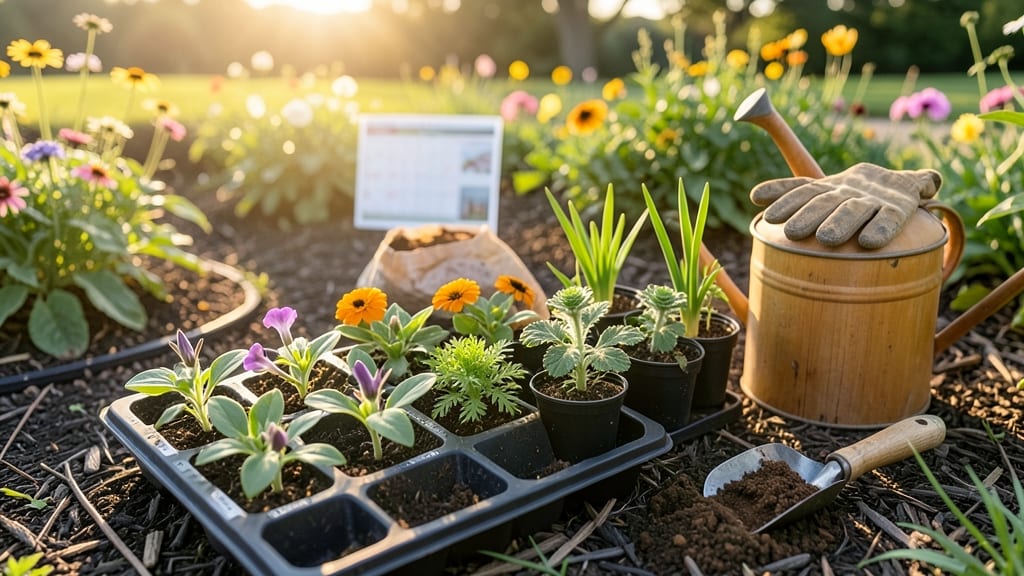
To plant flowers in Illinois and guarantee a garden bursting with color, timing is everything—especially with Zone 5b-6b frost dates that can shift from year to year.
Picture this: you’ve prepped the soil, chosen your 🌸 favorites, and even marked the beds—only for a late April frost to turn your tender seedlings into sad, crispy souvenirs. That’s why knowing exactly when to plant (and when to wait) makes all the difference in Illinois.
Spring planting kicks off after your last frost, typically mid-April, but fall is just as critical for perennials and bulbs. The key? Starting annuals indoors by March 15 and adjusting for your specific zone’s quirks—like Chicago’s urban microclimates or southern Illinois’s longer growing season.
In this guide, I’ll break down the perfect planting windows for your flowers, from hardy coneflowers to heat-loving zinnias, plus how to handle Illinois’s unpredictable weather without losing your blooms to frost or drought.
Illinois flower planting calendar by hardiness zones 5 and 6
Timing your flower plantings in Illinois requires precision, especially when navigating USDA Zones 5b and 6b. These zones experience last frost dates around mid-April and first frost dates near mid-October, creating a 165-day growing season.
Missing these windows can leave your garden sparse or your bulbs frozen. I’ve broken down the best times to plant annuals, perennials, and bulbs month by month, so you can maximize blooms without guesswork.
For Zone 5b (northern Illinois, like Chicago), expect slightly later last frosts, while Zone 6b (southern Illinois, near St. Louis) enjoys a longer season. Both zones benefit from fall planting for spring blooms—think tulips and daffodils—and spring planting for summer color like marigolds and zinnias.
The key is preparing soil in late winter and adjusting for Illinois’ clay-heavy soil by amending with compost.
🌱 Key Rule: Plant cool-season flowers (like pansies) in early spring or fall, while warm-season flowers (like petunias) need to wait until soil warms to 60°F after the last frost. Below is your month-by-month guide to avoid common mistakes, like planting tender annuals too early or missing the fall bulb window.
| Month | Plant Type | Action | Notes |
|---|---|---|---|
| February | Bulbs (tulips, daffodils) | Plant | Zone 5b: Wait until late February; Zone 6b: Early February. Soil should be workable. |
| March | Perennials (coneflowers, black-eyed Susans) | Plant | Divide and transplant established perennials. Start cool-season annuals indoors. |
| April | Annuals (marigolds, zinnias) | Plant after last frost (mid-April) | Wait until soil is 55°F+. Use row covers for early starts. |
| May | Warm-season flowers (petunias, impatiens) | Plant after soil reaches 60°F | Zone 5b: Late May; Zone 6b: Early May. Mulch to retain moisture. |
| June | Succession plant | Sow seeds (e.g., cosmos, sunflowers) | Extend blooms by adding heat-tolerant annuals every 2 weeks. |
| August | Fall bulbs (crocuses, alliums) | Plant | Zone 5b: Late August; Zone 6b: Early August. Choose varieties for early spring blooms. |
| September | Perennials (astors, sedum) | Plant or divide | Establish roots before winter. Add compost to planting holes. |
| October | Cool-season annuals (pansies, snapdragons) | Plant 6-8 weeks before first frost | Zone 5b: Early October; Zone 6b: Mid-October. Protect with mulch. |
In Zone 5b, where winters are harsher, prioritize hardy perennials like coneflowers and cold-tolerant annuals such as sweet alyssum. These thrive even if planted slightly later. Meanwhile, Zone 6b gardeners can push the envelope with tender annuals like geraniums, thanks to the extended season.
For both zones, late summer is critical—this is when you should plant fall-blooming bulbs and cool-season veggies to keep your garden lively until frost.
Don’t overlook soil temperature—it’s just as important as air temperature. Use a soil thermometer to confirm 60°F+ before planting warm-season flowers. In Illinois, this often means waiting until late May in Zone 5b and early May in Zone 6b.
Pro tip: Mulch heavily after planting to insulate roots, especially in Zone 5b, where soil can stay cold longer. This simple step can mean the difference between wilting seedlings and vigorous blooms.
For bulbs, timing is everything. Plant spring-blooming bulbs (like tulips) in fall (October-November), while summer-blooming bulbs (like dahlias) go in spring after the last frost. In Illinois, Zone 6b can squeeze in an extra month of bulb planting compared to Zone 5b.
If you’re unsure, err on the side of earlier planting—bulbs can handle cold soil better than heat.
One of my biggest mistakes early on was planting tender annuals like impatiens too soon. They won’t survive frost, even a light one, and Illinois is notorious for late spring frosts. To avoid this, I now use frost cloth or wait until May 15th
Best flowers to plant in Illinois by season (cool vs. warm season)
Choosing the right flowers for Illinois’ climate means balancing cool-season hardiness with warm-season heat tolerance. My garden thrives when I plant perennials like coneflowers in spring and annuals like zinnias after the last frost.
Illinois’ USDA Zones 5b-6b demand careful timing—too early, and frost zaps tender blooms; too late, and summer heat stresses seedlings.
Spring brings cool-season flowers that tolerate chilly soil, while summer demands drought-resistant varieties like black-eyed Susans. Fall is perfect for bulbs and perennials that establish roots before winter. I’ve learned to group plants by their ideal temperature ranges to maximize blooms year-round.
- Spring Planting (March–May): Start cool-season annuals like pansies (6 weeks before last frost) and perennials such as peonies (after soil warms to 50°F). Bulbs like tulips thrive when planted in fall (October) but bloom spectacularly in spring.
- Summer Planting (June–August): Wait until after Memorial Day to plant heat-loving annuals like zinnias (direct-sow after frost) and marigolds (60–75°F soil). Native Illinois flowers such as black-eyed Susans handle summer heat with ease.
- Fall Planting (September–October): Focus on perennials and bulbs like daffodils (6–8 weeks before first frost) and fall-blooming asters. Cool-season veggie flowers (e.g., sweet alyssum) add color until frost.
-
Planting Depth & Spacing:
- Annuals: 1/4" deep, 6–12" apart (e.g., zinnias).
- Perennials: Follow tag spacing (12–24" apart for coneflowers).
- Bulbs: 2x bulb height deep (e.g., tulips 6–8" deep).
For spring blooms, I prioritize early-season flowers like crocuses and hyacinths, which push through snow. These low-maintenance perennials return year after year, while annuals like petunias need replanting but offer bold summer color.
My trick? Mix native Illinois wildflowers (e.g., purple coneflowers) with heat-tolerant annuals for a low-water, high-impact garden.
Summer’s 90°F+ temps demand drought-resistant picks. Zinnias and lantana thrive in full sun with minimal water, while shade-loving impatiens brighten north-facing beds. I always mulch heavily to retain moisture and water deeply in the morning to prevent fungal issues.
Fall is my favorite time to plant bulbs and perennials—they establish roots in cool soil before winter. Daffodils and alliums naturalize beautifully, while mums add late-season color. Pro tip: Divide perennials in early fall to rejuvenate clumps like daylilies and black-eyed Susans.
To keep my Illinois garden blooming all season, I stagger plantings: early spring for bulbs, late spring for perennials, and summer for annuals. This ensures continuous color from March crocuses to October asters.
With the right timing and climate-matched flowers, even Illinois’ unpredictable weather becomes an advantage! 🌸