
Lawn
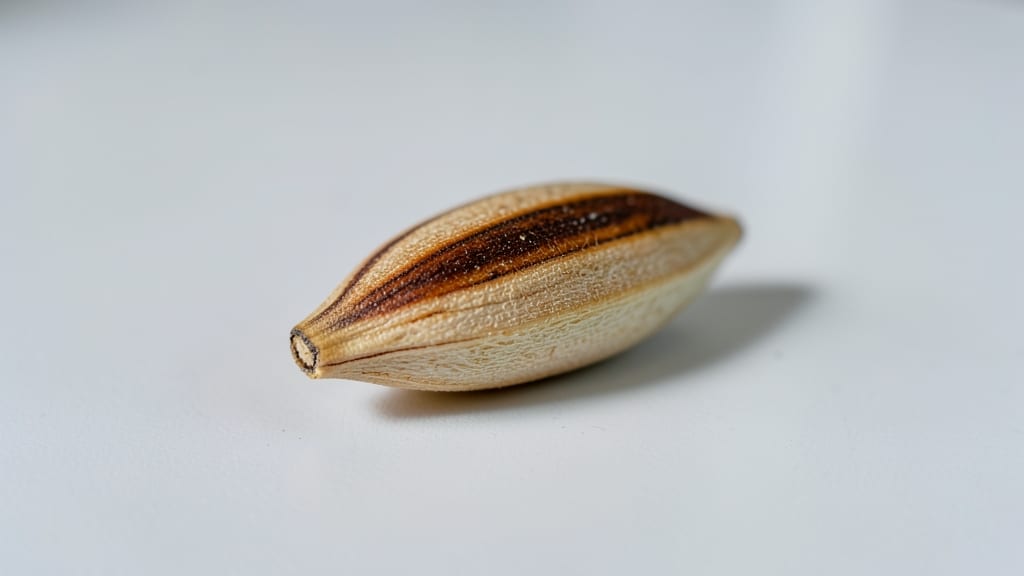
The size of a sunflower seed is surprisingly small—about 1/4 to 1/2 inch long and weighing less than 0.1 ounces, yet it holds the power to grow into a towering 12-foot giant ☀️.
Did you know that one of the largest flowers in the world starts from a seed smaller than a grain of rice? The size of a sunflower seed might seem insignificant, but it holds the potential to grow into a towering plant reaching heights of 12 feet or more.
Understanding the exact dimensions—length, width, and weight—helps you plant them at the right depth and spacing for strong germination. Too shallow, and they won’t anchor; too deep, and they may struggle to break through the soil.
In this guide, I’ll break down how to handle these tiny seeds, whether to pre-soak them, and the best planting depth for sunflowers in USDA Zone 6a—so you can grow a thriving sunflower from the start.

How big is a sunflower seed? Exact dimensions and weight compared
When you hold a sunflower seed in your palm, it’s easy to overlook just how tiny it is—yet this small seed holds the power to grow into a plant that towers over your garden.
On average, a sunflower seed measures about 0.5 to 1 inch in length and 0.25 to 0.5 inches in width, with a weight ranging from 0.05 to 0.2 grams. That’s roughly the size of a small pea or even a grain of rice, depending on the variety.
But don’t let its size fool you—this tiny package packs all the nutrients and genetic instructions needed to create a 12-foot giant!
The size of a sunflower seed can vary slightly depending on whether you’re growing a dwarf variety (like ‘Teddy Bear’), a standard variety (like ‘Mammoth’), or a giant sunflower (such as ‘Russian Giant’). Even these differences are subtle—think millimeters, not centimeters.
Understanding these nuances helps you adjust planting depth and spacing for optimal growth. For example, larger seeds might need slightly deeper planting to prevent drying out, while smaller seeds can be sown just beneath the soil surface for quick germination.
To put it into perspective, imagine comparing a sunflower seed to everyday objects you might find in your kitchen or toolbox. A sunflower seed is roughly the size of a matchstick head, a small sesame seed, or even the tip of a pencil eraser.
These comparisons help visualize why handling them carefully during planting is crucial. Whether you’re a seasoned gardener or a beginner, knowing the exact dimensions of a sunflower seed ensures you plant them correctly for the best chance of success.
| Sunflower Variety | Seed Length (inches) | Seed Width (inches) | Seed Weight (grams) | Common Comparison |
|---|---|---|---|---|
| Dwarf Variety (e.g., 'Teddy Bear') | 0.3 - 0.5 | 0.15 - 0.25 | 0.05 - 0.1 | Sesame seed or matchstick head |
| Standard Variety (e.g., 'Mammoth') | 0.5 - 0.75 | 0.25 - 0.35 | 0.1 - 0.15 | Pea or small grain of rice |
| Giant Variety (e.g., 'Russian Giant') | 0.75 - 1.0 | 0.35 - 0.5 | 0.15 - 0.2 | Small pea or pencil eraser tip |
One of the most fascinating aspects of sunflower seeds is how their size correlates with the final height of the plant. Despite their tiny stature, giant sunflower varieties produce slightly larger seeds, which contain more stored energy to fuel their rapid growth.
This energy reserve is critical during the early stages when the seedling relies entirely on the seed for sustenance.
For instance, a 'Russian Giant' sunflower seed, which can grow up to 14 feet tall, is only marginally larger than a seed from a dwarf variety like ‘Teddy Bear,’ which maxes out at around 4 feet.
The difference in seed size is subtle, but the impact on the plant’s growth is dramatic.
If you’ve ever wondered how to determine the planting depth for sunflower seeds, their size plays a key role. A general rule of thumb is to plant sunflower seeds at a depth 2 to 3 times their length.
For most varieties, this translates to planting them about 1 inch deep. Planting too shallow can expose the seeds to drying out, while planting too deep may hinder germination as the seedling struggles to push through the soil.
Using a seed spacing guide of 6 inches apart ensures each plant has enough room to grow without competing for nutrients or sunlight.
Another factor to consider is how seed weight affects germination. Heavier seeds often indicate higher viability and better nutrient reserves, which can translate to stronger seedlings. When selecting seeds for planting, opt for those that feel firm and plump rather than shriveled or lightweight.
Storing seeds in a cool, dry place preserves their quality, ensuring they retain their optimal size and weight for successful germination. Proper storage also prevents the seeds from absorbing moisture, which can cause them to swell or rot before planting season.
For gardeners who love experimenting with different varieties, understanding the size variations among sunflower seeds can help you choose the right type for your space. If you’re growing in a small garden or container, dwarf varieties with their slightly smaller seeds are ideal.
On the other hand, if you’re aiming for a dramatic focal point, giant varieties with their larger seeds will deliver the impressive height you’re after. Just remember, regardless of the variety, all sunflower seeds start small—but their potential is anything but tiny!
When it comes to handling sunflower seeds, precision matters. Their small size means they can easily slip through your fingers or get lost in the soil if you’re
Why seed size matters: how tiny sunflower seeds grow into giant plants
The size of a sunflower seed might fool you into thinking it lacks the power to create something monumental. Yet, that tiny seed—often just 0.3 to 0.7 inches long—packs the genetic blueprint for a plant that can reach 10-14 feet tall.
The secret lies in how seeds store nutrients and instructions for growth in their compact forms.
Sunflower seeds are a masterclass in efficiency. Their small size doesn’t limit their potential; instead, it forces them to optimize every millimeter. Inside that delicate shell, you’ll find endosperm, a nutrient-rich tissue that fuels the seedling until photosynthesis kicks in.
This stored energy is what transforms a 1/10-inch seed into a towering sunflower in just a few months.
One of the most fascinating aspects of sunflower seeds is their germination strategy. Because they’re so small, they rely on rapid water absorption to kickstart growth. Planting them too deep—more than 1 inch—can suffocate the seed, while planting too shallowly exposes them to drying out.
The ideal balance ensures the seedling emerges with enough energy to break through the soil and reach for sunlight.
To maximize your sunflower’s potential, focus on moisture consistency and warm soil temperatures. Sunflower seeds germinate best in soil that’s at least 60°F (15°C). If your spring soil is cooler, consider using a seedling heat mat or waiting until after the last frost.
Once sprouted, maintain even moisture—neither soggy nor bone-dry—to support the seedling’s transition from relying on stored nutrients to photosynthesis.
Don’t underestimate the power of seed spacing either. While the seeds themselves are tiny, the mature plants need room to thrive. Space them 6 inches apart at planting, then thin to 12–18 inches as they grow.
This prevents competition for nutrients and sunlight, allowing each plant to channel its energy into reaching for the sky. With the right care, that 0.5-inch seed can become a 12-foot giant in just a few months.
Next time you hold a sunflower seed in your palm, remember: its small size is a testament to nature’s efficiency. It’s not about the starting point but how those tiny seeds unleash their full potential when given the right conditions.
With a little patience and care, you’ll be rewarded with one of the most spectacular displays in your garden. 🌻