
Flowers
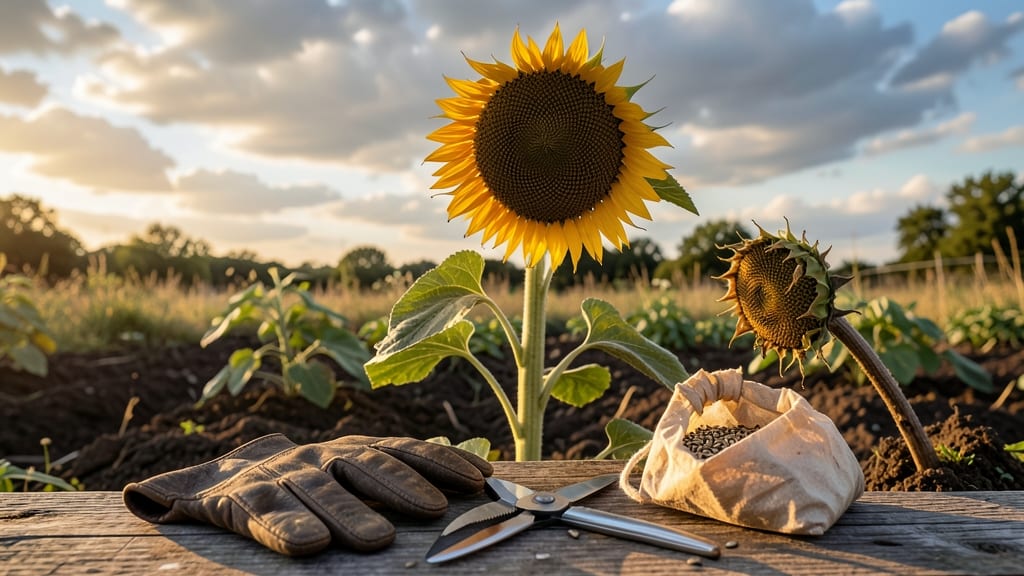
Sunflowers produce seeds after blooming, typically between 70 and 120 days depending on the variety and growing conditions.
Picture this: you’ve nurtured your 🌻 from a tiny seedling to a towering, golden bloom, only to wonder, "When will those seeds finally be ready?" The answer isn’t one-size-fits-all—it varies wildly from dwarf varieties (ready in as little as 50 days) to giants that take nearly four months to mature.
Climate plays a huge role, too. In cooler zones like USDA Zone 6, sunflowers may need an extra week or two to ripen compared to warmer regions. Even the right amount of sunlight and water can speed up—or delay—the process if you’re not careful.
Here’s what you’ll discover: the exact stages to watch for (from petal drop to seed rattle), how to adjust timelines for your zone, and the 5 critical mistakes that can leave you with empty heads instead of a harvest.
Sunflower seed production timeline by variety: from bloom to harvest
Sunflowers follow a predictable seed production timeline from bloom to harvest, but the exact days to maturity vary dramatically by variety. Mammoth sunflowers can take 90-120 days to produce seeds, while Teddy Bear dwarf varieties mature in just 50-60 days.
Understanding these differences ensures you harvest seeds at peak quality—too early means unripe seeds, and too late risks shattering heads and wasted yield.
All sunflower varieties follow the same maturation stages: bud formation, flowering, seed development, and seed ripening. The key difference lies in how quickly they transition from bloom to brown.
For example, Russian Giant sunflowers need 100-110 days to reach seed maturity, while Autumn Beauty varieties mature in 80-90 days. Climate also plays a role—cooler regions may extend timelines by 10-20 days.
Here’s how to spot seed readiness across varieties: watch for petal drop, seed head browning, and the "rattle test".
When the back of the head turns deep brown and seeds shake loudly when you tap the head, they’re ready. Never harvest when seeds are still green or the head feels damp—this leads to poor storage life.
| Variety | Days to Seed Maturity | Bloom to Harvest Window | Key Readiness Cues |
|---|---|---|---|
| Mammoth (e.g., 'Mammoth Russian') | 90-120 | Late July-October | Deep brown back, seeds rattle loudly |
| Teddy Bear (Dwarf) | 50-60 | June-August | Petals fully brown, head crushes easily |
| Russian Giant | 100-110 | Mid-August-October | Uniform brown, no green streaks |
| Autumn Beauty | 80-90 | Late July-September | Back turns chocolate brown, seeds detach easily |
| ProCut (Cut Flower) | 60-70 | June-August | Petals wilt, head dries to papery texture |
For Mammoth varieties, start monitoring seed heads 10-14 days after flowering. These giants need the longest maturation period, so plan ahead—especially in shorter growing seasons.
If you’re in Zone 5 or colder, consider starting seeds indoors or using row covers to extend the season by 2-3 weeks.
Dwarf varieties like Teddy Bear are perfect for container growing or small gardens because they produce seeds in just 50-60 days. Their compact size makes them ideal for patio gardens or balcony planters.
Look for fully brown petals and a dry, papery head—these are your cues to harvest. Cut the head off with 2-3 inches of stem and hang it upside down in a dry, dark place to finish drying.
If you’re growing Russian Giant sunflowers, be patient—they’re worth the wait. These 12-foot giants take 100-110 days to mature, but their large seed yield makes them a favorite for bird feeders or human consumption.
Watch for uniform browning across the entire head—no green streaks allowed. Once the seeds rattle like a maraca, they’re ready for harvest.
For Autumn Beauty varieties, which are prized for their bicolor blooms, focus on the back of the head. When it turns deep chocolate brown and the seeds detach with gentle pressure, it’s time to harvest.
These varieties often self-pollinate, but if you notice poor seed set, try hand-pollinating with a paintbrush to transfer pollen from one flower to another.
Regardless of variety, harvest seeds on a dry day to prevent mold. Lay the heads on a clean towel in a well-ventilated area for 3-5 days to fully dry.
Once dry, rub the seeds from the head into a mesh bag or paper sack. Store them in an airtight container in a cool, dark place
How climate zones affect sunflower seed ripening: adjusting timelines for cold vs. warm regions
Sunflowers thrive in warmth, but their seed production timelines can vary dramatically depending on your USDA climate zone.
In Zone 10, where winters are mild, sunflowers may produce seeds in just 70-80 days, while in Zone 3, gardeners often face frost risks that can cut the season short. Understanding these differences helps you adjust planting schedules and extend growing seasons to ensure seed maturity.
Day length also plays a crucial role. Sunflowers are day-neutral but respond to temperature shifts. In cooler zones, shorter days and lower temperatures can delay maturation by 2-3 weeks compared to warmer climates.
For example, a Russian Giant variety might take 100-120 days to produce seeds in Zone 5, but only 80-90 days in Zone 9.
Here’s how to compare seed production timelines across climate zones, including frost risks and strategies to extend your growing season:
| USDA Zone | Average Days to Seed Maturity | Frost Risk Period | Growing Season Extension Tips |
|---|---|---|---|
| Zone 3 (-40°F to -30°F) | 100-120 days | Late May to early September | Use row covers or plant early-maturing varieties like 'Autumn Beauty'. |
| Zone 5 (-20°F to -10°F) | 85-100 days | Mid-April to mid-October | Start seeds indoors in March and transplant after last frost. |
| Zone 7 (0°F to 10°F) | 75-90 days | Early November to late March | Plant successive crops every 2 weeks for continuous harvests. |
| Zone 9 (20°F to 30°F) | 65-80 days | Minimal frost risk | Plant year-round in mild winters; harvest seeds twice annually. |
| Zone 10 (30°F to 40°F) | 60-75 days | None | Choose heat-tolerant varieties like 'ProCut' for summer planting. |
In cooler climates (Zones 3-5), frost is the biggest threat to seed production. Sunflowers planted too late may not mature before the first frost, leaving you with immature seeds.
To combat this, select early-maturing varieties or use season extenders like cold frames or black plastic mulch to warm the soil faster.
For warmer zones (Zones 8-10), the challenge shifts to heat stress. If temperatures exceed 90°F, sunflowers may bolt prematurely or produce poor-quality seeds. In these areas, opt for shade cloth during peak heat or plant in partial shade to slow bolting while maintaining seed production.
Regardless of your zone, always monitor your sunflowers for seed head dryness and seed rattling—these are the best indicators that seeds are ready for harvest. Adjust your planting schedule each year based on local frost dates and weather patterns to ensure a reliable seed crop.