
Mower
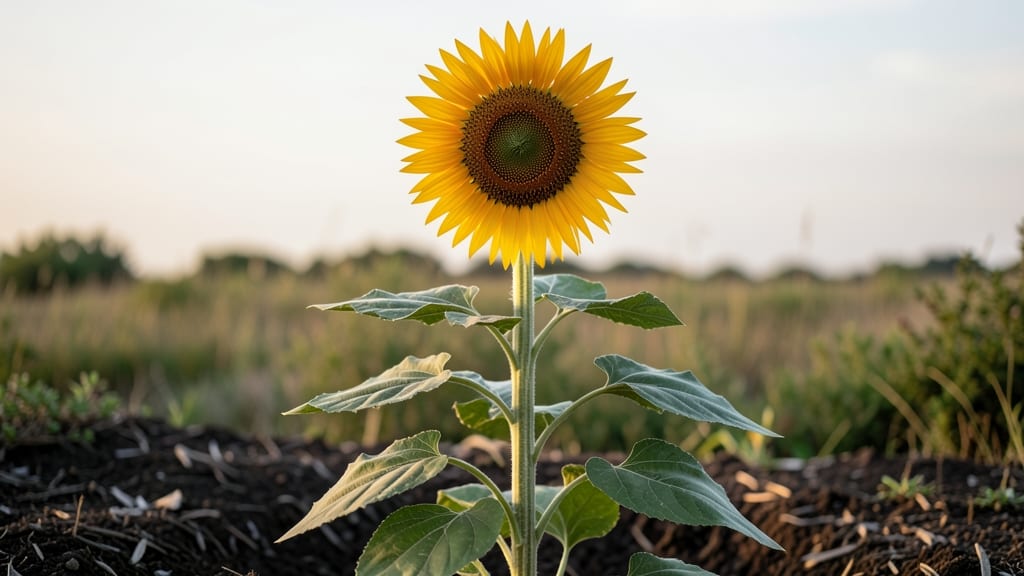
The Mongolian Giant Sunflower 🌻 can reach heights of 12 to 15 feet—taller than most people and nearly as tall as a small tree.
Picture this: a towering sunflower stem that stretches beyond your porch roof, its golden blooms catching the afternoon sun like a beacon. But how do you coax these giants to their full potential?
It’s not just about planting seeds and hoping for the best—sunlight, soil, and spacing play starring roles in their growth story.
Unlike their shorter cousins, these sunflowers need full sun exposure (think 6 to 8 hours daily) and room to stretch their legs—literally. Crowd them, and you’ll end up with leggy, weak stems that flop over like overgrown weeds.
But with the right care, you’ll be rewarded with stems that rival a basketball hoop in height.
In this guide, I’ll break down the key factors that turn a 10-foot sunflower into a 14-foot powerhouse, from soil prep to staking tricks. Ready to grow a sunflower that steals the show?

How tall does the Mongolian Giant sunflower grow? Key factors for 12-Foot stems
The Mongolian Giant Sunflower (Helianthus giganteus) is a true marvel of nature, capable of reaching 12 to 15 feet under ideal conditions. This towering annual isn’t just a decorative giant—it’s a testament to how genetics, sunlight exposure, and soil quality can push a plant to extraordinary heights.
Unlike its shorter cousins, this variety grows 3x taller than standard sunflowers, making it a standout in any garden or field.
What sets this sunflower apart is its rapid vertical growth, which can add 2-3 feet per month during peak season. However, achieving that 12-foot height isn’t automatic—it requires specific environmental conditions and a bit of strategic care.
From full-sun exposure to well-draining soil, every factor plays a role in coaxing these giants to their full potential.
| Factor | Optimal Specification | Impact on Height |
|---|---|---|
| Genetics | Helianthus giganteus 'Mongolian Giant' | 12-15 ft potential |
| Sunlight | 6-8+ hours daily | Maximizes photosynthesis |
| Soil Type | Loamy, well-draining | Prevents root rot |
| Spacing | 3-4 feet apart | Reduces competition |
| Watering | Deep soak 2-3x/week | Supports stem strength |
| Climate Zone | USDA Zones 3-9 | Longer growing season |
One of the most critical factors for Mongolian Giant Sunflower height is sunlight exposure. These sunflowers thrive in full sun conditions, requiring at least 6-8 hours of direct sunlight daily.
In regions with shorter daylight hours, like the Pacific Northwest, growth may be slightly stunted unless supplemented with grow lights. I’ve seen firsthand how partial shade can reduce height by 30-40%, so always plant them in the sunniest spot available.
The soil composition also plays a pivotal role. Loamy, well-draining soil with a pH of 6.0-7.5 is ideal for these giants. Heavy clay soils can suffocate roots, while sandy soils may not retain enough moisture.
Amending the soil with compost or aged manure before planting ensures nutrients are readily available for rapid growth. In my garden, I’ve found that adding a 2-inch layer of compost at planting time boosts early stem development.
Spacing is another often-overlooked factor that directly impacts height. Planting Mongolian Giant Sunflowers too closely together—less than 2 feet apart—can lead to stunted growth due to competition for nutrients and sunlight. For maximum height, space them 3-4 feet apart in rows that are 4-5 feet apart. This gives their deep taproots room to establish and access water deep underground, which is crucial for supporting those towering stems.
Watering practices also influence how tall your Mongolian Giant Sunflowers will grow. While they’re drought-tolerant once established, consistent moisture during the first 6-8 weeks is essential for strong stem development. I recommend deep watering 2-3 times per week, ensuring the soil is moist 6 inches deep.
Overwatering can lead to weak stems prone to lodging, so always allow the top inch of soil to dry between waterings. In hot climates, like Zone 9, daily watering may be necessary during peak summer months.
Regional climate also affects height potential. In cooler climates (Zones 3-5), these sunflowers may take longer to reach their full height but can still achieve 10-12 feet with proper care.
In warmer climates (Zones 6-9), the growing season is extended, allowing them to reach 14-15 feet under ideal conditions.
I’ve grown them in Zone 7 and seen them surpass 13 feet when given optimal care, while in Zone 4, they typically max out at 10-11 feet due to shorter seasons.
Finally, wind exposure can either help or hinder height. While a gentle breeze can strengthen stems through thigmomorphogenesis (a plant’s response to touch), strong winds can cause lodging (falling over) before they reach maturity.
In windy areas, I recommend staking or tying stems to bamboo supports as they grow. This not only prevents damage but also encourages vertical growth by reducing energy the plant expends on stabilizing itself.
To summarize, achieving 12-foot Mongol
Step-by-step guide: maximizing Mongolian Giant sunflower height in your garden
Unlocking the full 12-foot potential of your Mongolian Giant Sunflower starts with the right foundation. These sunflowers aren’t just tall—they’re architectural statements in your garden, but only if you give them the perfect growing conditions.
I’ve grown these giants for years, and I’ve learned that soil quality, watering discipline, and strategic support make all the difference between a 6-foot plant and a sky-scraping 14-foot monster.
Let’s break down my proven, step-by-step method for coaxing maximum height from these sunflowers. From the moment you plant those seeds, every decision—from fertilizer choices to pruning techniques—will either fuel their vertical growth or stunt it.
Ready to grow a sunflower that outshines your neighbors’ fences? Let’s get started.
🌱 Step-by-Step Growth Plan for Towering Sunflowers
- Step 1: Prep nutrient-rich soil with compost and aged manure (2-3 inches deep). Mongolian Giants thrive in loamy, well-draining soil with a pH of 6.0-7.0. Test your soil first—amend with peat moss if it’s too sandy or perlite if it’s clay-heavy.
- Step 2: Plant seeds 1 inch deep, spacing them 18-24 inches apart in rows 3 feet apart. Crowding stunts height—give each plant room to stretch vertically. Plant in late spring after the last frost when soil reaches 60°F (15°C).
- Step 3: Water deeply 2-3 times per week (2000-3000ml per plant). Focus on the root zone, avoiding wet foliage to prevent fungal diseases. Morning watering (before 10 AM) reduces evaporation and gives roots time to absorb moisture.
- Step 4: Fertilize with organic matter: Use a balanced 10-10-10 fertilizer every 4-6 weeks starting when plants hit 12 inches tall. For organic options, try fish emulsion or compost tea. Avoid high-nitrogen fertilizers—they promote leafy growth over height.
- Step 5: Stake tall varieties early with bamboo stakes or metal cages when stems reach 3 feet. Tie stems loosely with soft cloth or plant ties to prevent stem damage. In windy areas, add additional support at 5-foot intervals to prevent lodging.
- Step 6: Prune strategically: Remove lower leaves up to 2 feet from the base to improve airflow and reduce disease risk. Avoid pruning buds or side shoots—these compete for energy and can stunt vertical growth. Focus on dead or diseased foliage only.
- Step 7: Plant companion flowers like marigolds or nasturtiums nearby to repel pests and attract pollinators. Avoid planting near tomatoes or potatoes, which compete for nutrients and can reduce height potential. Mulch with straw or wood chips to retain moisture and suppress weeds.
One of my biggest secrets? I’ve found that Mongolian Giants grow fastest when paired with deep-rooted companions like cosmos or bee balm. These plants share nutrients without competing for space, creating a symbiotic growing environment.
Plus, the added biodiversity keeps pests at bay, so your sunflowers can focus all their energy on vertical growth.
By following these steps, you’ll give your sunflowers the perfect conditions to reach their full 12-15 foot potential. Remember, patience is key—these giants take 90-120 days to mature, but the reward of a towering sunflower that dominates your garden is worth every effort. Happy growing!