
Fertilization
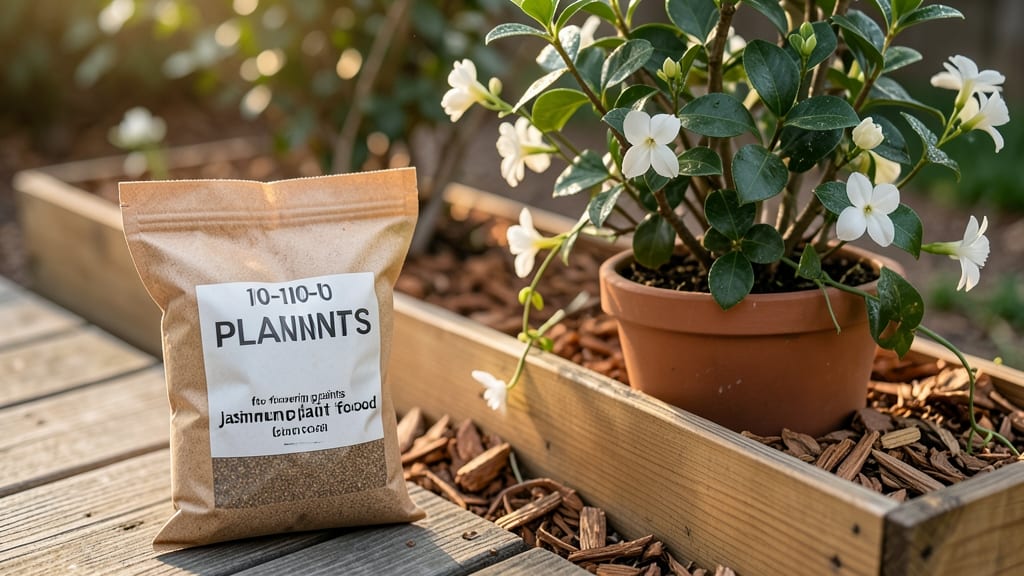
The right jasmine flower plant food can turn a struggling vine into a fragrant, blooming powerhouse 🌸—but many gardeners overlook the NPK ratios that make the difference.
Your jasmine plant’s intoxicating scent could be fading—or worse, not blooming at all. The secret lies in its food: the right nitrogen-phosphorus-potassium (NPK) ratios can transform weak stems into a lush, fragrant paradise.
Jasmine thrives when fed with precision, especially during its peak growing months of April through September. Too much nitrogen? You’ll get leafy vines but no flowers. Too little phosphorus? Your blooms may lack fragrance. Balancing these nutrients is the key to vibrant growth and that signature sweet aroma.
In this guide, I’ll break down the optimal NPK ratios for jasmine, compare organic and synthetic fertilizers, and share seasonal feeding tips to keep your plant thriving—without overdoing it.
Optimal NPK ratios for jasmine flower growth and blooming
Jasmine plants thrive when their NPK ratios match their growth stage. Too much nitrogen early on can delay blooming, while insufficient phosphorus and potassium during flowering weakens fragrance production. The key is balancing these nutrients like a symphony of growth—each playing its part at the right time.
For vegetative growth (spring and early summer), focus on a higher nitrogen ratio (like 10-5-5) to build lush foliage. But when buds form in late summer, shift to a phosphorus-heavy formula (e.g., 5-10-5) to fuel blooms and fragrance.
Potassium acts as the fragrance booster, ensuring those sweet notes fill the air.
Science-backed tip: Jasmine flowers produce jasmine oil, a compound that thrives with adequate potassium. Without it, your blooms may open but lack that signature intoxicating scent. Think of potassium as the perfumer’s secret ingredient.
Let’s break down why these ratios work. Nitrogen (the first number) fuels leaf production—essential for photosynthesis, which powers everything else. But too much nitrogen in flowering stages can lead to leafy monsters with few blooms. That’s why we taper it as summer progresses.
Phosphorus (the second number) is the bloom catalyst. It helps jasmine plants develop strong root systems and energy-rich flowers. Without enough phosphorus, buds may form but fail to open fully, leaving you with closed, unscented blooms. Think of it as the matchmaker for flowers.
Finally, potassium (the third number) enhances fragrance production and strengthens cell walls, making your jasmine more resilient to pests and diseases. A potassium deficiency often shows as weak stems or flowers that open but lack their signature sweetness. For maximum fragrance, aim for a minimum 5% potassium during blooming.
Pro tip: Use a slow-release fertilizer in spring to avoid nutrient spikes. Granular options like 10-10-10 work well, but adjust ratios seasonally. For example, switch to a 5-10-10 formula when buds appear to prioritize blooms over foliage.
Container-grown jasmine needs more frequent feeding because nutrients leach out faster. Feed every 3-4 weeks with half-strength fertilizer during summer. Over-fertilizing is a common mistake—it burns roots and attracts pests like aphids, which love stressed plants.
Test your soil’s pH too! Jasmine prefers slightly acidic soil (6.0-6.5). If your soil is alkaline, nutrients like phosphorus become locked away, even if you’re applying fertilizer. A simple soil test kit solves this—just mix soil with water and test the pH before adjusting your NPK plan.
Remember, jasmine is a perennial, so build soil health over time. Add compost or aged manure annually to improve organic matter, which naturally balances NPK ratios. This holistic approach ensures your jasmine thrives for years, filling your garden with fragrance every summer.
Best organic and synthetic fertilizers for jasmine plants
Choosing the right jasmine flower plant food depends on whether you prefer organic or synthetic options—both have unique benefits for your fragrant vine. Organic fertilizers like compost or fish emulsion enrich soil slowly, while synthetic fertilizers like 10-10-10 NPK blends deliver quick nutrient bursts.
The key is matching your jasmine’s needs: balanced NPK ratios (e.g., 10-10-10) for steady growth and blooming.
For maximum fragrance, prioritize phosphorus-rich fertilizers during flowering season (June–September). Organic options like bone meal boost phosphorus, while synthetic bloom boosters (e.g., 5-10-5) target phosphorus directly. Slow-release fertilizers, like osmocote granules, reduce the risk of overfeeding and maintain consistent nutrient levels.
Organic vs. Synthetic Fertilizers for Jasmine
Organic Fertilizers
- ✅ Improves soil health long-term
- ✅ Slow-release, reduces burn risk
- ✅ Eco-friendly, no chemicals
- ❌ Requires more frequent applications
- ❌ Slower results for nutrient deficiencies
Synthetic Fertilizers
- ✅ Fast-acting, quick results
- ✅ Precise NPK ratios for blooming
- ✅ Convenient for container plants
- ❌ Risk of over-fertilizing/burn
- ❌ No soil health benefits
Homemade Tip: Brew banana peel tea (rich in potassium) for flowering jasmine—steep peels in water for 24 hours, then dilute 1:1 with water.
My go-to organic fertilizer for jasmine is aged compost mixed with worm castings. This combo provides a steady supply of nitrogen, phosphorus, and potassium while improving soil structure.
For synthetic options, I recommend 10-10-10 granular fertilizer applied every 6 weeks during the growing season. Always follow the label—overfeeding can lead to leaf burn or stunted blooms.
Slow-release fertilizers like osmocote or organic pelletized chicken manure are game-changers for jasmine. They feed your plant over 3–6 months, reducing the need for frequent applications.
For potted jasmine, I mix slow-release granules into the soil at planting time and top-dress annually. This method keeps roots nourished without the hassle of monthly feeding.
Seasonal adjustments are crucial. In spring (April–May), focus on nitrogen (e.g., alfalfa meal) to encourage leafy growth. Shift to phosphorus-heavy fertilizers (e.g., rock phosphate) in summer (June–August) to trigger blooming. Always water thoroughly after fertilizing to prevent root burn.
For a fragrance boost, try a homemade compost tea (steep compost in water for 24 hours, strain, and dilute). This liquid fertilizer is packed with microbes and nutrients that enhance jasmine’s scent. Apply every 2 weeks during the blooming season for noticeable results.
Remember: Less is more with jasmine. Over-fertilizing leads to weak stems and fewer blooms. If your jasmine’s leaves turn yellow or drop buds, flush the soil with water to remove excess salts from synthetic fertilizers. For organic options, simply reduce application frequency.