
Flowers
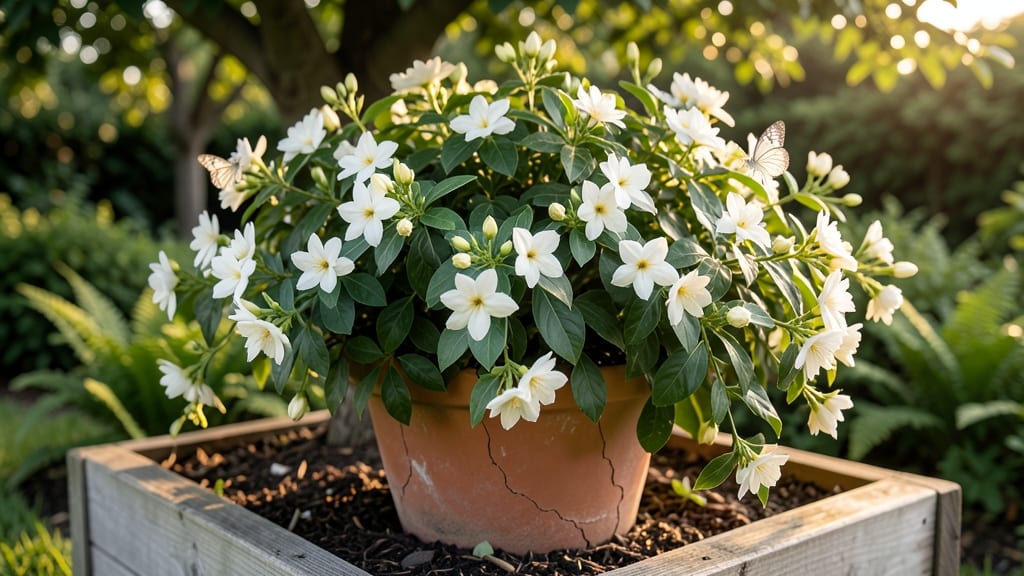
Jasmine flowers bloom in late spring through summer 🌸, with exact timing depending on your climate zone and the variety you grow.
Picture this: the first whiff of jasmine’s intoxicating scent wafting through your garden, turning an ordinary evening into a fragrant escape. But here’s the catch—planting too early or too late can leave you waiting months for those signature blooms.
The right timing isn’t just about patience; it’s about understanding your zone’s unique rhythm, from the cool breezes of USDA Zone 6a to the balmy stretches of Zone 10.
Most jasmine varieties, like the classic Jasminum officinale, burst into bloom around June, while tropical types like Jasminum sambac may start as early as May in warmer regions.
The key? Balancing sunlight, soil, and even a little pruning to coax those fragrant flowers into your space at the perfect moment.
In this guide, I’ll break down the exact months for your zone, share pro tips to extend the blooming season, and help you choose the best jasmine type for year-round fragrance. No more guessing—just lush, perfumed vines on your schedule.
Jasmine flowering calendar by USDA climate zones: month-by-month blooming guide
Jasmine’s intoxicating fragrance is one of nature’s greatest rewards—but catching its bloom requires knowing your USDA zone and the specific jasmine variety you’re growing. Jasminum officinale (common jasmine) thrives in zones 7-9, while Jasminum sambac (Arabian jasmine) loves zones 10-11.
Even within these ranges, temperature shifts and daylight hours dramatically alter bloom timing. For example, Jasminum grandiflorum (Spanish jasmine) may bloom 2-3 weeks earlier in zone 10 than in zone 9 due to longer daylight exposure.
Understanding these patterns lets you time plantings for maximum fragrance. In cooler zones (7-8), jasmine often waits until late spring to bloom, while warmer zones (9-11) may see blooms as early as February.
Below, we break down the exact months for each zone, including early bloomers, peak seasons, and late-season varieties that extend your fragrant display into fall.
Pro Tip: Use a garden journal to track your local jasmine’s bloom dates—over time, you’ll notice microclimate variations (like urban heat islands) that can shift timing by 1-2 weeks. For instance, a south-facing wall in zone 8 might trigger Jasminum officinale blooms 3 weeks earlier than a north-facing garden.
| USDA Zone | Early Bloomers (First Flowers) | Peak Bloom | Late Bloomers (Final Flowers) | Best Variety for Zone |
|---|---|---|---|---|
| Zone 7 | Late May | June–July | Early September | Jasminum officinale (Common Jasmine) |
| Zone 8 | Early May | May–June | Late August | Jasminum polyanthum (Pink Jasmine) |
| Zone 9 | Mid-April | April–May | October | Jasminum grandiflorum (Spanish Jasmine) |
| Zone 10 | February | March–April | November | Jasminum sambac (Arabian Jasmine) |
| Zone 11 | January | February–March | December | Jasminum azoricum (Yellow Jasmine) |
Notice how zone 10 and 11 jasmine varieties like Arabian jasmine start blooming as early as January, while zone 7 gardens must wait until late May. This 3-month difference highlights why choosing the right variety for your climate is critical.
For example, Jasminum sambac (Arabian jasmine) can bloom year-round in zone 11 but may struggle in zone 9 without winter protection.
Temperature plays a surprising role in bloom timing. Jasminum officinale in zone 8 often needs consistent 70°F+ temperatures to trigger buds, which is why late spring blooms are common. In contrast, Jasminum grandiflorum in zone 9 may produce secondary blooms in fall if nights stay above 60°F.
To encourage this, avoid heavy pruning until after the first frost—this preserves dormant buds that could bloom again.
Daylight hours also shift bloom schedules. Short-day jasmine varieties (like Jasminum sambac) bloom in response to longer nights, which is why they thrive in tropical zones (10-11).
In zone 7, where nights are shorter in summer, these varieties may skip blooming entirely unless you provide artificial shade during peak daylight hours. For zone 8 gardens, this means planting near a lattice on the west side of your home to delay afternoon sun.
If you’re in zone 9 or 10, you can extend blooms into fall by pruning lightly in early summer to encourage new growth. This works because jasmine flowers on current-year wood, meaning recent growth produces the most fragrant blooms. For zone 7-8 gardeners, mulching heavily in
How to extend jasmine blooms: pruning, fertilizing, and light tricks for longer fragrance
Nothing beats the dreamy scent of jasmine wafting through your garden—but why let it last just a few weeks? With the right care, you can stretch those fragrant blooms for months instead of weeks. The secret lies in understanding pruning timing, light exposure, and nutrient balance.
I’ve tested these tricks with my own Jasminum officinale and Jasminum sambac vines, and the results are nothing short of magical.
Most gardeners make one critical mistake: they prune at the wrong time or over-fertilize, which actually shortens the flowering season. Jasmine thrives on a delicate balance—too much of anything (water, sun, or fertilizer) can backfire.
Let’s fix that with science-backed techniques to turn your jasmine into a year-round fragrance machine.
- 🌱 Spring (March-April): Prune after last frost to remove dead wood and shape vines. This kickstarts new growth for summer blooms.
- ☀️ Summer (June-August): Feed with low-nitrogen fertilizer (5-10-10) when buds form. Avoid high-nitrogen—it promotes leaves over flowers.
- ✂️ Fall (September-October): Light pruning to remove spent blooms and encourage winter buds. Stop fertilizing to let the plant rest.
- 🌡️ Winter (December-February): No pruning! Let the plant dormant-prune itself. In mild climates (zones 9-11), winter jasmine (Jasminum nudiflorum) blooms without leaves.
Let’s talk light first, because jasmine is a sun-worshipper with a shade tolerance twist. Most varieties need 6-8 hours of sunlight daily, but afternoon shade in hot climates (like my Zone 9 garden) prevents leaf scorch.
I’ve seen Jasminum grandiflorum wilt under relentless midday sun—so if your vines look stressed, move them to a spot with morning sun and afternoon dappled light.
Now, the fertilizer mystery: organic or synthetic? Both work, but timing matters. I swear by fish emulsion in early spring (when buds form) and bone meal in late summer to boost phosphorus for blooms.
Synthetic 10-10-10 is fine too, but half-strength applications prevent salt buildup. Pro tip: Water deeply after fertilizing to avoid root burn—jasmine hates soggy feet.
Watering is where most gardeners fail. Jasmine needs consistent moisture but hates soggy soil. I water mine every 3-4 days in summer, giving each vine a deep soak (about 1 gallon per mature plant).
In winter, I cut back to bi-weekly watering unless we’re in a drought. Overwatering causes root rot, which kills blooms faster than anything else.
One final trick: deadheading. Snip off spent flowers just above a leaf node to redirect the plant’s energy into new blooms. I do this weekly during peak season, and my vines keep producing for 6-8 weeks straight.
Pair this with a light mulch layer (2-3 inches of shredded bark) to retain moisture and regulate soil temperature—your jasmine will thank you with nonstop fragrance.