
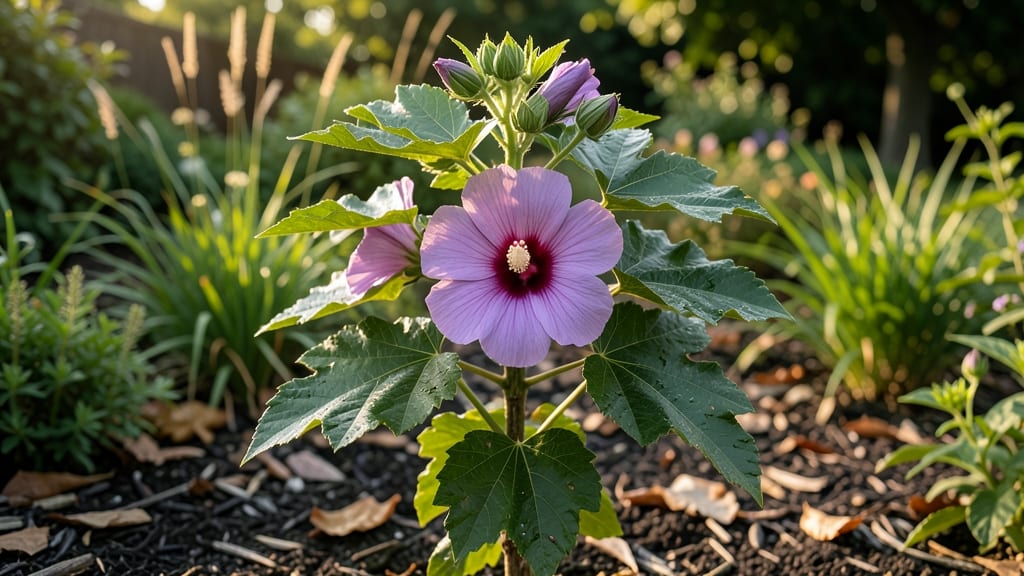
Purple Flowers That Open and Close: Circadian Rhythms Explained for Gardeners

Flowers

Purple Flowers That Open and Close: Circadian Rhythms Explained for Gardeners

Purple flowers that open and close at specific times aren’t just stunning—they’re nature’s living clocks, transforming your garden into a dynamic, ever-changing canvas.

Ever noticed your purple flowers seem to follow a daily schedule, blooming only at certain times? These fascinating circadian plants aren’t just beautiful—they’re nature’s built-in clocks, and understanding their rhythms can transform your garden’s performance.

Imagine a morning garden bursting with lavender and violet blooms that fade by noon, only to reappear in cooler evening air. That’s not magic—it’s nyctinastic movement, and the right purple flowers can turn your space into a living sunset or sunrise.

Below, I’ll share five top purple bloomers that dance with daylight, plus design tricks to layer them for a garden that shifts with the sun—and how to keep them thriving year after year.

12 Purple flowers that open and close with natural light cycles

Imagine stepping into your garden and watching purple blooms unfurl like clockwork as the sun rises, only to close again by dusk. These circadian flowers aren't just stunning—they're nature's built-in timekeepers, responding to light cycles with mesmerizing precision.

Whether you're designing a moonlit garden or a daytime pollinator paradise, these plants will add dynamic movement and purple-hued drama to your landscape.

What makes these flowers so special? Their nyctinastic movement—the opening and closing of blooms—is triggered by light, temperature, and even humidity. Some, like the evening primrose, bloom at dusk, while others, like morning glories, greet the sunrise.

By strategically placing these purple circadian plants in your garden, you can create a living clock that shifts colors throughout the day.

Plant Name Bloom Time USDA Zones Sun Needs Care Tips
Morning Glory 🌸 Sunrise to midday 3-9 Full sun Train on trellis; water consistently
Moonflower 🌙 Dusk to midnight 9-11 Partial shade Rich soil; protect from wind
Evening Primrose 🌹 Late afternoon 3-10 Full sun Drought-tolerant; deadhead spent blooms
Petunia (Night Fragrance) 🌺 Day to dusk 10-11 Full sun Prune regularly; mulch for moisture
Hesperis Matronalis (Dame's Rocket) 🌿 Mid-morning 3-8 Partial shade Self-seeds; trim after flowering
Four O'Clock Flower ⏰ Late afternoon 9-11 Full sun Tender; grow as annual
Lilac (Early Varieties) 🌷 Early morning 3-7 Full sun Prune after blooming; well-drained soil
Moon Vine (Ipomoea alba) 🌙 Night-blooming 10-11 Partial shade Fast-growing; provide support
Sweet Alyssum (Night-Scented) 🌸 Day to evening 7-10 Full sun Great for borders; attracts pollinators
Phlox (Some Varieties) 🌼 Morning 3-8 Partial shade Deadhead for prolonged blooms
Evening Stock

Why purple flowers open and close: the science behind circadian rhythms

Your purple flowers aren't just dancing with the sun—they're following an internal biological clock. This phenomenon, called nyctinastic movement, is how plants respond to light cycles. When sunlight hits their photoreceptors, tiny cells in the petals trigger chemical reactions that cause them to unfurl.

At dusk, the process reverses, and those vibrant blooms close up shop until morning.

Think of it like a sun-powered puppet show. Your garden becomes the stage, and your purple flowers are the stars with a 24-hour schedule. This isn't random—it's an evolutionary adaptation to conserve energy and attract pollinators during optimal times.

For example, morning glories burst open at dawn when bees are most active, while evening primroses wait for moths to arrive at twilight.

🌱 Key Factors Controlling Flower Movement

Your purple bloomers follow these circadian rules:

  • Light triggers: Sunlight activates phytochrome pigments in petals
  • Temperature tweaks: Cooler nights delay closing; heat speeds up opening
  • Humidity matters: Dry air can cause premature closing midday
  • Age affects rhythm: Young buds open/close faster than mature flowers

Pro tip: Mimosa pudica (sensitive plant) closes leaves when touched—another light-triggered response!

Temperature plays a surprising role in this floral ballet. When nights dip below 60°F (15°C), many purple flowers like lilacs will close earlier to protect delicate tissues. Conversely, heatwaves above 85°F (29°C) can cause petunia varieties to wilt midday before reopening.

This is why your container gardens might show more dramatic movements—they heat up faster than in-ground plants.

Humidity acts like a director's cue card for your flowers. In dry climates, blooms may close prematurely to prevent water loss, while high humidity can make them stay open longer.

Try this experiment: Place a moonflower vine near a misting system. You'll notice it opens wider and stays that way for 2-3 extra hours compared to dry-air counterparts.

To create synchronized blooming in your garden, group plants with similar light requirements. Place morning glories (6+ hours sun) near petunias (4-6 hours) but avoid pairing them with evening primroses (partial shade).

Use reflective mulch under containers to bounce extra light onto petals, extending their open window by 30-45 minutes.

For container gardens, choose self-watering pots to maintain consistent moisture—the #1 reason flowers miss their cues. And here's a secret: Red wine vinegar (1 tbsp/gallon) in water can help acid-loving varieties like heather maintain their perfect opening/closing rhythm.

Your garden will thank you with perfectly timed purple performances all season long. 🌿

★★★★★4.7(2 reviews)
Categories Flowers