
Blooming
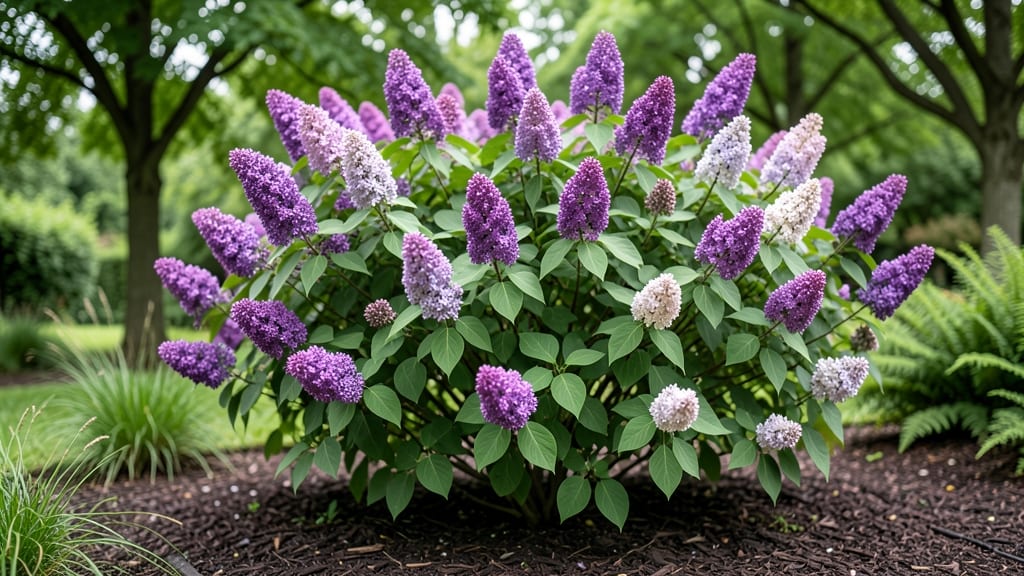
The lilac flower blooming season brings fragrant purple clouds to gardens, but timing is everything—miss it, and you’ll be left with just the scent of missed opportunities.
Picture this: the first hints of spring, and your yard erupts with 🌸 clusters of blossoms, filling the air with intoxicating perfume. Yet many gardeners wait too long, only to watch their lilacs fade before they’ve even enjoyed them.
Knowing the exact window—when buds swell, when flowers peak, and how long they last—is the secret to year-round satisfaction.
From early bloomers like ‘Korean Lilac’ (which burst into color as early as late April) to late-season varieties like ‘Dwarf Korean’ (holding onto fragrance into June), each type has its own rhythm.
Climate plays a role too: in USDA Zone 6a, blooms often arrive a week earlier than in cooler regions, while too much shade can delay the show entirely.
In this guide, you’ll discover how to extend your lilac’s bloom time, the best varieties for long-lasting fragrance, and simple care tips to ensure your shrubs put on a show every spring—without the guesswork.
Lilac flower blooming season by variety: when & how long they last
Lilacs burst into bloom with fragrant purple (or white/pink) clusters that announce spring’s arrival—but their exact timing varies dramatically by variety and climate.
From early March bloomers to late June finishers, understanding these differences helps you plan garden layouts, pruning schedules, and even outdoor events around their fleeting beauty. The average lilac bloom lasts 7-14 days, though some hybrid varieties stretch this to 3 weeks with proper care.
Climate plays a huge role: warmer southern regions (USDA Zones 7-9) see lilacs bloom 2-3 weeks earlier than colder northern zones (Zones 3-6). For example, ‘Miss Kim’ lilacs in Georgia may bloom in mid-March, while the same variety in Minnesota waits until late April.
Even within a single region, microclimates near bodies of water or urban heat islands can shift bloom times by 5-7 days.
Here’s the key: Early bloomers (like ‘Sensation’ or ‘Katherine Havemeyer’) reward patient gardeners with March-April fragrance, while late bloomers (such as ‘Bloomerang’) extend the show into June. The secret? Choosing varieties that overlap bloom periods ensures your garden stays fragrant for 6+ weeks.
If you’re planning a lilac-themed garden party, pair early bloomers like ‘Sensation’ (mid-April) with late varieties such as ‘Bloomerang’ (June) to create a 6-week fragrance festival. Pro tip: Plant ‘French lilacs’
How to extend your lilac’s blooming season: pruning, care & pro tips
Lilacs reward patience with their intense fragrance and showy blooms, but their natural bloom cycle is brief—typically 7-14 days. The key to extending this season lies in timely pruning and seasonal care that encourage robust growth.
I’ve learned that lilacs bloom on old wood, meaning last year’s growth produces this year’s flowers. Pruning too late or too aggressively can cut off next season’s blooms entirely.
Start by understanding your lilac’s bloom cycle. Most varieties flower in late spring (April-May), but early bloomers like ‘Dwarf Korean’ may appear as early as March. After the flowers fade, that’s your 6-week window to prune before new buds form.
Miss this window, and you risk sacrificing next year’s display. Let’s dive into the step-by-step process to maximize your lilac’s fragrance and flower production.
- Prune immediately after blooming (when seed pods form) to encourage next year’s flowers.
- Remove only dead or crossing branches—never cut into old wood where blooms form.
- Fertilize in early spring with 10-10-10 to promote vigorous growth for bigger blooms.
- Water deeply once weekly during dry spells to prevent stress that shortens bloom time.
- Mulch around the base in fall to protect roots and improve soil moisture retention.
Your pruning tools are just as important as the timing. Use sharp bypass pruners for clean cuts on smaller branches and loppers for thicker stems. Disinfect tools with rubbing alcohol between cuts to prevent disease spread.
I always prune on a dry, overcast day to reduce stress on the plant. Start by removing any dead or diseased wood first—these branches won’t produce blooms and can harbor pests.
For seasonal care, focus on watering consistency and soil health. Lilacs prefer well-draining soil with a slightly alkaline pH (6.5-7.5). Amend heavy clay soil with compost to improve drainage.
During the growing season (spring-fall), water deeply once weekly to encourage strong root development. In winter, reduce watering but keep soil slightly moist to prevent root desiccation.
Don’t overlook winter protection for young or newly planted lilacs. Apply a 3-4 inch layer of mulch around the base after the first frost to insulate roots.
In USDA Zones 4-5, where winters are harsh, consider wrapping the lower trunk with burlap or using a tree guard to prevent rodent damage. This extra care ensures your lilac emerges in spring ready to burst into bloom.
To encourage repeat blooming, some gardeners swear by a light summer trim after the main flush of flowers. Cut back 1/3 of the oldest stems to stimulate new growth. However, this method works best with hybrid varieties like ‘Miss Kim’, which are more forgiving.
Always monitor your lilac’s response—if it produces fewer blooms the following year, scale back the pruning.
With these pro tips, your lilac can reward you with longer, more abundant blooms year after year. The secret is patience and precision—never rush pruning, and always prioritize the plant’s health over aggressive shaping.
Soon, your garden will be filled with that unmistakable lilac fragrance for weeks, not just days. 🌿