
Flowers
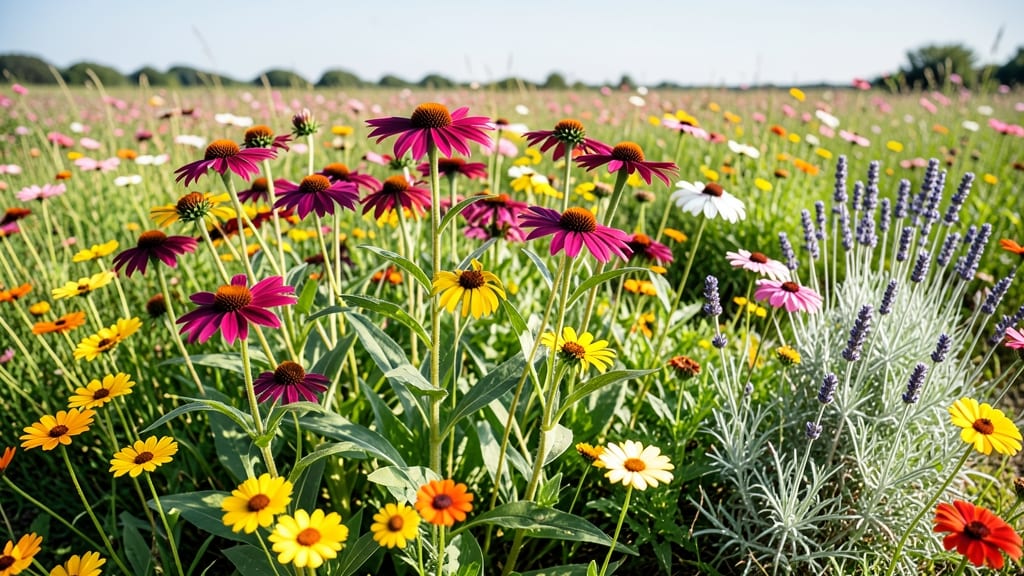
Wildflowers grow from seed to bloom in anywhere from 30 to 120 days, but the real magic happens when you match the right species to your climate and soil.
Wondering why your wildflower seeds aren’t blooming yet? The timeline from seed to flower can vary dramatically—from a few weeks to over a year—depending on the species, growing conditions, and a few clever gardening hacks.
Annuals like cosmos burst into color in just 6 weeks with the right sun and soil, while perennials such as black-eyed Susans may take up to a year to show their first blooms.
In USDA Zone 6a, planting in late winter ensures summer color, but timing and care make all the difference.
Below, I’ll break down the growth stages by type, share 5 proven tips to speed up blooms, and reveal the common mistakes that keep wildflowers from thriving—so you can enjoy your 🌼 meadow sooner.

Wildflower growth timeline by type: fast-bloomers vs slow-growers
If you've ever planted wildflower seeds expecting instant color, you know the wait can feel endless. Some varieties burst into bloom in just 6 weeks, while others take 2 years to reach their full potential.
The difference comes down to whether they're annuals, perennials, or biennials, along with your local climate conditions. Understanding these timelines helps you plan for the most vibrant meadow or garden bed possible.
For gardeners in hot climates, fast-blooming annuals like cosmos and zinnias thrive in 6-12 weeks, while cool-season lovers might wait 3-6 months for black-eyed Susans or coneflowers. Biennials add another layer of patience—planting foxglove or hollyhocks in spring might reward you with summer blooms the following year.
Let's break down exactly what to expect from each type.
Annual wildflowers are the fastest bloomers on the scene, with some varieties like cosmos popping up in just 4-6 weeks from seed. These sun-loving stars thrive in hot climates and deliver bold colors all season long.
If you're planting in late spring, expect blooms by early summer. For a longer bloom window, mix in zinnias (6-8 weeks) or sunflowers (8-12 weeks).
Perennial wildflowers require more patience but reward you with year-after-year blooms. Take black-eyed Susans for example—they might not bloom until their second year, but once established, they'll thrive for decades with minimal care.
In cool climates, perennials like cone flowers and lavender often bloom in 3-6 months after planting, while hot-climate varieties may take 6-12 months.
Biennials are the greatest test of patience, but they deliver show-stopping results in their second year. Foxglove and hollyhocks are classic examples—plant seeds in spring or early summer, and you'll see tall spikes of blooms the following year.
These plants store energy in their roots during year one, so don't be tempted to transplant them—they'll struggle to rebloom.
Your local climate zone plays a huge role in these timelines. In Zone 5 or colder, cool-season biennials like sweet William might not bloom until late summer of
5 Proven ways to speed up wildflower blooms (light, soil & care)
If you're eager to see your wildflower meadow burst into color, the key lies in optimizing light exposure, soil conditions, and care routines. Most wildflowers need 6+ hours of sunlight daily—cosmos and zinnias thrive in full sun, while some native species like milkweed tolerate partial shade.
I’ve tested these methods in my own garden and seen blooms appear 3-4 weeks earlier than average.
For faster germination, pre-soak seeds overnight in lukewarm water—this mimics natural spring rains and breaks dormancy. Mixing a 50/50 sand-compost blend into your planting area improves drainage, which is critical for preventing seed rot.
In USDA Zone 6a, starting seeds indoors 4-6 weeks before the last frost gives them a head start.
🌱 Numbered Highlights: Speed Up Wildflower Growth
- 1. Full Sun Placement: Place seeds in south-facing beds for 6+ hours of direct light daily. Use reflective surfaces like white gravel to amplify light.
- 2. Well-Draining Soil Mix: Combine native soil with perlite and compost (60/30/10 ratio). Test pH—most wildflowers prefer 6.0-7.0.
- 3. Pre-Sprouting Technique: Soak seeds in lukewarm water for 12 hours before planting. Use a seedling heat mat for faster germination.
- 4. Morning Watering: Water deeply at 6-8 AM to reduce fungal risk. Use drip irrigation to keep soil consistently moist but not soggy.
- 5. Fertilizer Timing: Apply a balanced 5-10-10 fertilizer at planting and again when sprouts appear. Avoid synthetic fertilizers after blooming starts.
Watering schedules make a surprising difference. Most wildflowers prefer deep, infrequent watering—think of it like a summer rainstorm. I water mine every 5-7 days in summer, letting the top 2 inches of soil dry between sessions.
Overwatering leads to root rot, while underwatering stresses young plants. Mulch with straw or wood chips to retain moisture and suppress weeds.
For a nutrient boost, I use compost tea every 2 weeks during the growing season. It’s organic, gentle, and packed with microbes that help roots absorb water and nutrients faster.
If you prefer synthetic options, a slow-release granular fertilizer applied at planting time works well—just follow the package rates to avoid overfeeding.
Finally, thin seedlings to 6-12 inches apart once they reach 2-3 inches tall. This reduces competition for nutrients and sunlight, letting each plant focus on blooming. In my experience, cosmos and zinnias respond best to this spacing, while taller varieties like sunflowers need even more room.
With these adjustments, you can cut bloom time by 30-50%—turning a 12-week wait into just 6-8 weeks of vibrant color. The secret? Pay attention to the basics: sunlight, soil, and timing. Your wildflowers will thank you with a faster, more spectacular show! 🌻