
Propagation
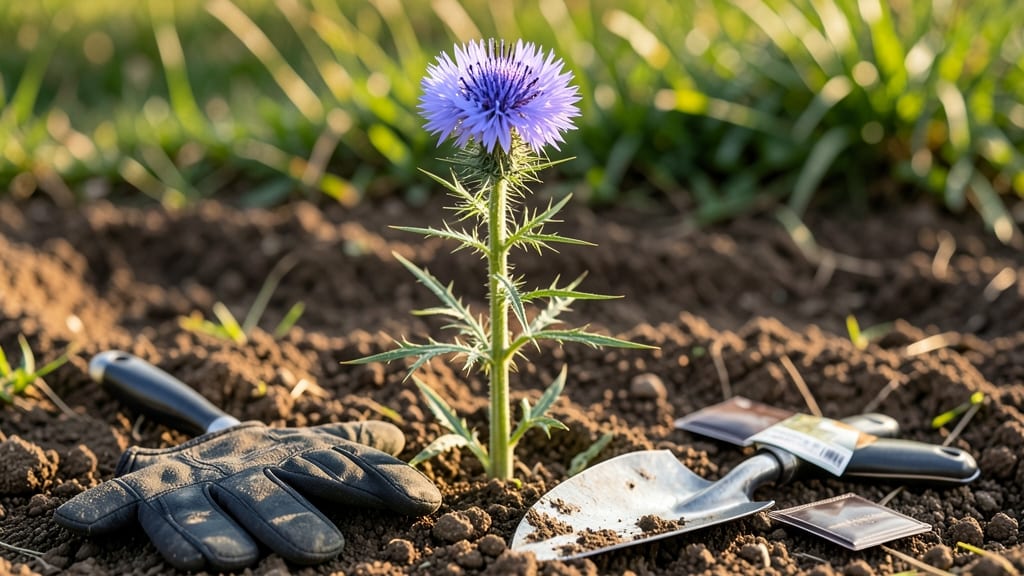
Growing cornflowers from seed takes about 60 to 120 days to bloom, depending on the variety and growing conditions—so timing your planting right is the key to a summer full of those cheerful blue blooms 🌼.
Picture this: you’ve just tucked those tiny seeds into the soil, and now you’re wondering, Will they actually make it to flower before the heat sets in? The good news is that with the right approach—like choosing fast varieties like ‘Blue Boy’ or ensuring they get plenty of sun—you can shave weeks off that timeline.
In this guide, I’ll break down the exact stages of cornflower growth, from germination to those stunning blooms, and share pro tips to help your plants reach maturity faster.
You’ll also learn how to troubleshoot common issues, like slow germination or leggy seedlings, so you can enjoy a vibrant cornflower display without the wait.

Cornflower growth timeline: from seed to bloom in 60-120 days
Cornflowers (Centaurea cyanus) are one of the fastest and most rewarding annuals to grow from seed, with some varieties like 'Blue Boy' blooming in just 60 days. Understanding their growth stages helps you plan for vibrant summer displays while troubleshooting delays.
The journey from seed to bloom typically spans 60–120 days, but proper care can accelerate this timeline significantly.
From the moment you sow those tiny seeds, cornflowers follow a predictable growth pattern. The first 7–14 days focus on germination, followed by rapid vegetative growth in weeks 3–6, and finally the flowering stage by week 8–12.
Each phase depends on soil quality, sunlight exposure, and temperature—all factors you can control to ensure timely blooms.
Before diving into the timeline, let’s clarify the key variables that influence how quickly your cornflowers will mature. Sunlight is non-negotiable—cornflowers thrive in full sun (6+ hours daily), while well-draining soil prevents rot.
Temperatures between 60–75°F speed up germination and growth, while cooler conditions may delay development by 10–20 days.
| Stage | Days to Complete | Key Actions | Optimal Conditions |
|---|---|---|---|
| Germination | 7–14 | Sow seeds ¼" deep, keep soil moist | 60–75°F, full sun |
| Seedling Growth | 14–21 | Thin to 12–18" apart, water deeply | Moderate moisture, full sun |
| Vegetative Stage | 21–45 | Fertilize lightly (5-10-10), monitor pests | 65–75°F, well-draining soil |
| Bud Formation | 45–60 | Reduce watering slightly, support tall stems | Full sun, consistent temps |
| Flowering | 60–120 | Deadhead spent blooms, enjoy pollinators! | 60–80°F, minimal fertilizer |
Let’s break down the germination stage, where timing is critical. Cornflower seeds typically sprout in 7–14 days under ideal conditions. To speed this up, pre-soak seeds for 4–6 hours before sowing, and maintain consistent moisture without overwatering.
Plant seeds ¼ inch deep in well-draining soil—cornflowers hate soggy roots, which can delay germination by weeks.
Once seedlings emerge, they enter the seedling growth stage (days 14–21). This is when proper spacing becomes crucial. Thin seedlings to 12–18 inches apart to prevent competition for nutrients. During this phase, ensure they receive full sun daily—even partial shade can stunt growth by 20–30%.
A light application of balanced fertilizer (5-10-10) at this stage encourages stronger stems.
The vegetative stage (days 21–45) is where cornflowers bulk up their foliage. This is the longest phase, and it’s also when many gardeners see delays due to poor soil or pests.
To accelerate growth, amend your soil with compost for better nutrient uptake and apply a mulch layer to retain moisture. Avoid over-fertilizing—cornflowers are light feeders and prefer lean soil.
By day 45–60, you’ll notice bud formation, signaling the final stretch before blooms. Reduce watering slightly to harden off the plants, and consider staking taller varieties like 'Black Ball' to prevent flopping.
This stage is also when cornflowers become self-sufficient—they’ll thrive with minimal intervention if given the right conditions.
Finally, the flowering stage (days 60–120) is when your patience pays off. Varieties like 'Blue Boy' can bloom in as little as 60 days, while others may take up to 120 days depending on growing conditions.
To extend the blooming period, deadhead spent flowers regularly and avoid heavy fertilizing—this encourages more buds to form.
If your cornflowers are taking longer than expected, check for three common delays: overcrowding, poor drainage, or inconsistent watering. Adjusting these factors can shave 10–20 days off your timeline. With the right care, you’ll have a pollinator-friendly display in no time!
Fastest cornflower varieties that bloom in under 60 days
If you're craving quick color in your garden, certain cornflower varieties deliver stunning blooms in just 60 days or less. These fast-growing types are perfect for impatient gardeners or those with short seasons. The key? Choosing the right variety and giving them ideal growing conditions from the start.
Among the fastest performers, 'Blue Boy' and 'Black Ball' consistently bloom in 55-60 days when planted at the right time. 'Ruby Red' also joins this elite group, offering bold red flowers that attract hummingbirds.
Each variety has specific planting windows and care requirements to ensure they meet their early bloom potential.
For Ruby Red, the fastest bloomer, I recommend planting seeds 4-6 weeks before your last frost date in well-draining soil. These varieties thrive in full sun (6+ hours daily) and moderate moisture, so avoid soggy soil.
A light application of balanced fertilizer (5-10-10) at planting can give them a growth boost without overfeeding.
Proper seed spacing is critical—crowded plants compete for nutrients and slow down blooming. Space seeds 12-18 inches apart for 'Blue Boy' and 'Black Ball', while 'Ruby Red' can handle slightly closer spacing (10-12 inches) due to its smaller stature.
Thin seedlings to these distances once they reach 2-3 inches tall.
To maximize early blooms, I always direct-sow seeds rather than starting indoors. Cornflowers hate transplanting and may take longer to recover. Plant seeds ¼ inch deep and keep the soil consistently moist until germination, which typically occurs in 7-14 days under ideal conditions.
Once established, these fast-blooming varieties require minimal care. Water deeply once a week and mulch around the base to retain moisture. Deadhead spent blooms to encourage continuous flowering throughout the summer season.