
Flowers
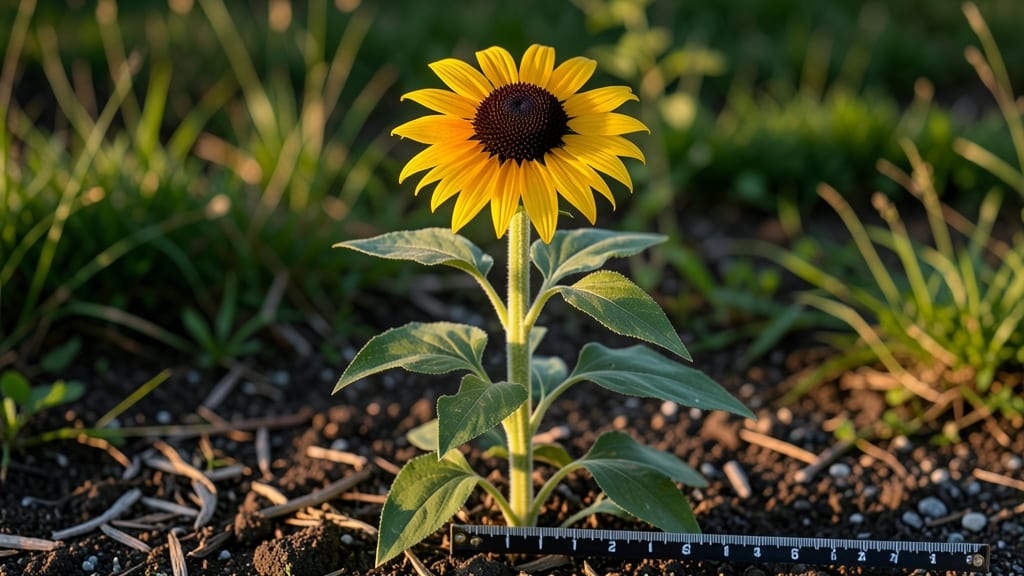
How tall do coneflowers grow? They range anywhere from 1 foot to a towering 5 feet, depending on the variety and growing conditions — and knowing their mature height helps you plan your garden like a pro.
Imagine this: you’ve spent hours selecting the perfect 🌼 coneflowers for your space, only to realize they’ll outgrow their spot or flop over in a storm. The good news? Some varieties stay compact enough for containers or borders, while others reach for the sky, making them perfect for back-of-the-border drama.
Whether you’re working with a small patio or a sprawling landscape, the right coneflower height can transform your garden. Below, we’ll break down the height ranges by variety, share tips for managing their growth, and help you pick the perfect pollinator-friendly plants for your space.
Ready to avoid the "too tall, too small" dilemma? Let’s dive into the specifics so you can choose coneflowers that thrive and fit your vision.

Coneflower height ranges by variety: from compact to towering
Coneflowers (Echinacea) come in a stunning array of heights, from compact 1-foot wonders to towering 5-foot giants. Understanding these height ranges helps you select the perfect variety for your garden—whether you need a border plant, a pollinator magnet, or a backyard focal point.
The most common species, Echinacea purpurea, typically reaches 2–4 feet, but other varieties like Echinacea paradoxa can stretch up to 5 feet, while dwarf types like 'White Swan' stay under 2 feet.
Height isn’t just about aesthetics—it also influences garden placement, companion plants, and even maintenance needs. For example, tall varieties (4+ feet) thrive in backyard borders or wildlife gardens, while dwarf types shine in containers or rock gardens.
Let’s explore the top 5 varieties by height and how to use them in your landscape, plus a comparison table to help you decide at a glance.
The dwarf varieties, like 'White Swan', are perfect for small gardens or container gardening. Their compact stature (1–2 feet) makes them ideal for window boxes, rock gardens, or front-of-border plantings.
Pair them with salvias or lavender for a low-maintenance, pollinator-friendly combo. These varieties also rebloom prolifically, giving you months of color with minimal effort.
For medium-height coneflowers (2–4 feet), like 'Hot Papaya' or 'Magnus', you’ll find versatile workhorses that thrive in mixed beds or pollinator gardens. Their sturdy stems support butterflies and bees while adding bold vertical interest to your landscape.
Plant them 18–24 inches apart to allow airflow and prevent powdery mildew, a common issue in crowded beds. These varieties also self-seed readily, so you might see volunteer plants popping up in unexpected spots—just thin them out to avoid overcrowding.
If you’re dreaming of dramatic height, the tall varieties (4–5 feet) like 'Green Envy' or Echinacea paradoxa will wow your neighbors. These towering beauties make stunning focal points in perennial borders or wildlife habitats.
To keep them upright and healthy, plant them in well-draining soil and stake them early if needed. Their late-summer blooms provide nectar for monarchs and other pollinators when many other flowers have faded.
Height also plays a role in companion planting. Tall coneflowers cast shade on shorter plants below, so pair them with sun-loving ground covers like creeping thyme or sedum. For dwarf varieties, combine them with grasses or ornamental onions to create textural contrast.
And remember: deadheading spent blooms encourages longer blooming seasons, no matter the variety’s height.
One common mistake gardeners make is underestimating mature size. Always check the plant tag or seed packet for height ranges, and give plants room to grow. Overcrowding leads to poor airflow, which can invite pests and diseases. If you’re working with limited space, consider **pruning
How to control coneflower height: pruning, spacing, and staking tips
Managing the height of your coneflowers (Echinacea) ensures they thrive without overwhelming your garden. Whether you have tall varieties like 'White Swan' or compact types like 'Green Envy', proper care keeps them in check.
The key lies in three simple strategies: pruning, spacing, and staking, each tailored to your plant’s needs.
Pruning is the easiest way to control height and encourage bushier growth. For most varieties, a light trim after flowering (late summer) removes spent blooms and promotes new foliage.
For tall varieties (4+ feet), prune stems back by one-third to prevent flopping. Always use clean, sharp shears to avoid disease.
⚠️ callout warning
⚠️ Mistakes That Stunt Coneflower Growth
Over-fertilizing leads to weak stems and leggy growth. Use a balanced 5-10-10 fertilizer sparingly (every 4-6 weeks). Poor soil drainage causes root rot—always plant in well-draining soil with 1-2 inches of mulch. Finally, crowding competes for nutrients; space plants 18-36 inches apart based on variety.
Spacing is critical for preventing overcrowding, which can stunt growth. Dwarf varieties (1-2 feet) need 12-18 inches of space, while standard types (3-5 feet) require 24-36 inches. Plant them in groups of 3-5 for a natural look, and avoid placing them near aggressive spreaders like daylilies.
For tall coneflowers (4+ feet), staking is a game-changer. Use 3-foot bamboo stakes or soft plant ties to support stems before they flop. Insert stakes gently at planting to avoid root damage, and tie stems loosely every 6-8 inches.
This keeps them upright while allowing airflow to prevent disease.
Another pro tip: Deadhead regularly to redirect energy from seed production to foliage growth. Pinch back new growth in spring by 1/3 to encourage a fuller shape. With these techniques, you’ll keep your coneflowers healthy, compact, and blooming beautifully all season.
Remember, coneflowers are low-maintenance, but a little attention to height control pays off with longer blooms and stronger stems. Try these methods this season, and watch your garden thrive with vibrant, well-behaved coneflowers! 🌼