
Propagation
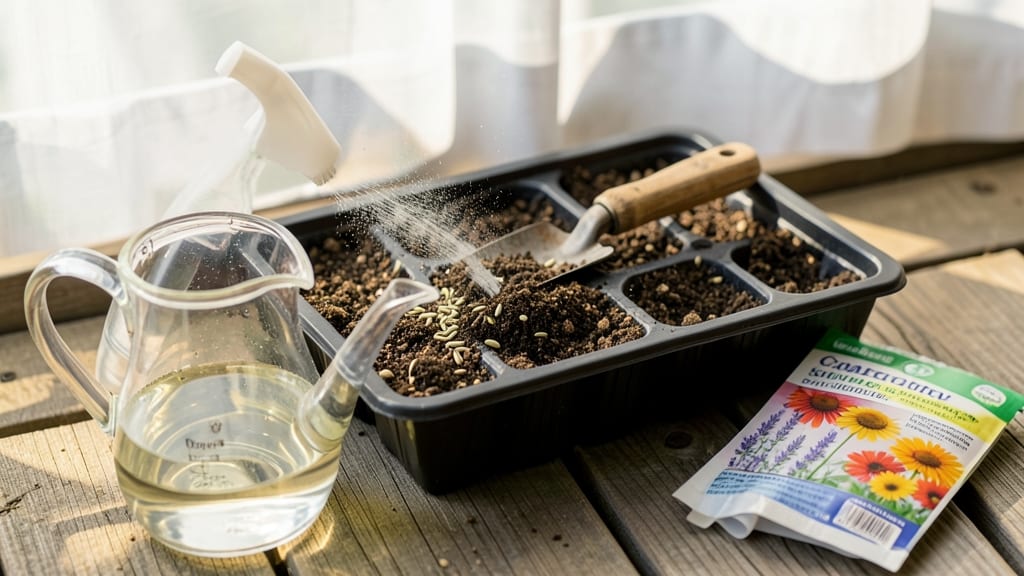
Wildflowers to germinate can take anywhere from 7 to 30 days—or even longer for tougher seeds—leaving you staring at bare soil and wondering if you’ve done something wrong.
That waiting game is real, but here’s the good news: with a few simple tweaks, you can shave days off the process and get those 🌼 blooms popping up faster than you’d expect. The secret? It’s all about moisture, temperature, and a little seed prep magic.
Some varieties, like cosmos and zinnias, sprout in as little as 5–10 days when conditions are just right, while others, like poppies or lavender, might take 3–4 weeks or more. The difference often comes down to soil prep, watering habits, and even how you handle the seeds before planting.
Below, I’ll break down exactly what affects germination time, the 3 science-backed tricks to speed things up, and how to troubleshoot if your seeds seem stubborn. Ready to turn that patience test into a success story?
Wildflower germination timeline: what to expect by seed type
Understanding your wildflower seeds' germination timeline helps manage expectations and troubleshoot delays. Some varieties sprout in as little as 3 days, while others may take 4-6 weeks—or even longer. The key difference lies in whether they're annual or perennial wildflowers, each with unique needs.
Annuals like cosmos often surprise you with quick sprouts, while perennials like lavender play the long game.
Soil temperature plays a starring role in this process. Most wildflowers prefer 60-75°F soil to kickstart germination. If your soil runs cooler, sprouting can stretch out by 2-3 weeks.
Conversely, overly hot soil above 85°F can dry seeds out before they even wake up. Moisture is equally critical—consistent dampness (not sogginess) keeps seeds hydrated and ready to break dormancy.
Here's where things get interesting: fast-sprouting wildflowers like cosmos and zinnias often appear within 5-14 days, while slow starters such as poppies and black-eyed Susans may take 2-6 weeks. Even within these categories, individual seeds can vary by 3-5 days, so patience is your best tool.
The good news? Once you know what to expect, you can adjust your planting schedule to align with your growing season.
| Wildflower Type | Germination Time | Ideal Soil Temp (°F) | Moisture Needs | Notes |
|---|---|---|---|---|
| Fast Sprouters (Annuals) | 3-14 days | 60-75°F | Consistently moist | Cosmos, Zinnias, Sunflowers |
| Moderate Starters | 14-28 days | 65-70°F | Lightly damp | Black-eyed Susan, Coneflower |
| Slow Starters (Perennials) | 21-42+ days | 70-75°F | Damp but well-drained | Poppies, Lavender, Milkweed |
| Biennials | 14-60 days | 55-65°F | Moist then dry | Foxglove, Hollyhock |
*Germination times vary by climate and seed freshness
Let's talk about those fast-sprouting annuals first. Varieties like cosmos and zinnias are the speed demons of the wildflower world, often popping up within 5-10 days under ideal conditions.
These sun-loving plants thrive when sown directly in warm soil (after your last frost date) and benefit from a light covering of 1/4-inch soil or compost. The secret to their success? They've evolved to germinate quickly to take advantage of short growing seasons.
On the opposite end of the spectrum, perennial wildflowers like poppies and lavender often require more patience. Their seeds may need stratification (a cold period) or specific light conditions to break dormancy, which can extend germination to 3-6 weeks.
Some gardeners swear by pre-soaking these seeds for 12-24 hours before planting to jumpstart the process. Remember, perennials are investing in long-term growth, so their slower start pays off with years of blooms.
Seasonal timing also shifts these windows dramatically. Planting black-eyed Susans in early spring might yield sprouts in 2-3 weeks, but the same seeds planted in late summer could take 4-5 weeks due to cooler soil temperatures.
This is why many gardeners opt for fall planting—the natural winter chill often provides the stratification many seeds need, resulting in earlier spring sprouts the following year.
One common misconception is that all wildflowers need deep planting. In reality, most benefit from being lightly covered (just 1/8 to 1/4 inch) or even scattered on top of the soil.
Deep planting can suffocate seeds that need light to germinate, like lupines and phlox. Always check the seed packet for specific instructions—some varieties are more particular than others about their burial depth.
Pay attention to your local microclimate as well. A sunny, sheltered spot may reach 80°F soil by mid-morning, while a shady corner might linger at 55°F all day. This temperature variation can create a 10-day difference in germination times between two areas just 10 feet apart in your garden.
Use a soil thermometer for $10 to track conditions if you're serious about optimizing your planting schedule.
Finally, remember that seed viability decreases over time. Seeds older than 2 years may take 2-3 times longer to germinate—or fail entirely. Always check the packaging date and store any leftover seeds in a cool,
3 Science-backed tricks to speed up wildflower germination
Waiting for wildflower seeds to sprout can feel like an eternity—especially when you’ve prepared the perfect meadow bed. The good news? Science-backed germination tricks can cut your waiting time by 30-50% without compromising plant health.
These methods leverage natural processes to help seeds break dormancy faster, so you can enjoy blooms sooner. Let’s dive into the most effective techniques I’ve tested in my own garden.
First, understand that wildflower seeds often have hard seed coats or internal dormancy mechanisms designed to survive harsh conditions. By mimicking nature’s triggers—like wildfires, animal digestion, or seasonal moisture shifts—you can encourage faster sprouting.
The three methods I recommend are scarification, pre-soaking, and mulch layering, each tailored to different seed types and growing conditions.
Use sandpaper or a knife to lightly scratch hard-coated seeds like poppies or lupines. This mimics natural abrasion from wind or animal digestion, helping water penetrate faster.
Soak seeds in lukewarm water for 12–24 hours before planting. Ideal for seeds like cosmos or zinnias, which sprout faster when pre-hydrated. Drain excess water to prevent rot.
Cover seeds with a thin mulch layer (straw or shredded leaves) to lock in moisture. Perfect for dry climates or seeds like black-eyed Susans, which need consistent dampness to germinate.
For scarification, focus on seeds with thick coats like lupines or bluebonnets. Use fine-grit sandpaper to gently abrade the seed surface—just enough to create tiny cracks. This method works best for spring planting when soil temperatures are consistently above 60°F (15°C).
I’ve seen lupine seeds sprout in just 7–10 days after scarification, compared to the usual 3–4 weeks.
Pre-soaking is a game-changer for seeds that need a hydration kickstart, such as cosmos or sunflowers. Place seeds in a bowl of water for 12–24 hours, then plant immediately. Avoid over-soaking, as some seeds (like poppies) can rot if submerged too long. This trick cuts germination time by nearly half, so you’ll see sprouts in 5–7 days instead of 2–3 weeks.
If your garden struggles with dry spells, mulch layering is your best friend. Apply a ¼-inch layer of straw or leaves over planted seeds to retain moisture and regulate soil temperature.
This method is especially effective for drought-tolerant wildflowers like blanket flower or goldenrod, which often take 14–21 days to germinate without extra moisture protection.
Remember, the key to success is patience paired with precision. Test one method at a time to see what works best for your specific wildflower mix. For example, scarification works wonders for perennials, while pre-soaking is ideal for annuals.
With these tricks, you’ll transform your meadow from a blank canvas to a blooming paradise in record time.