
Planting
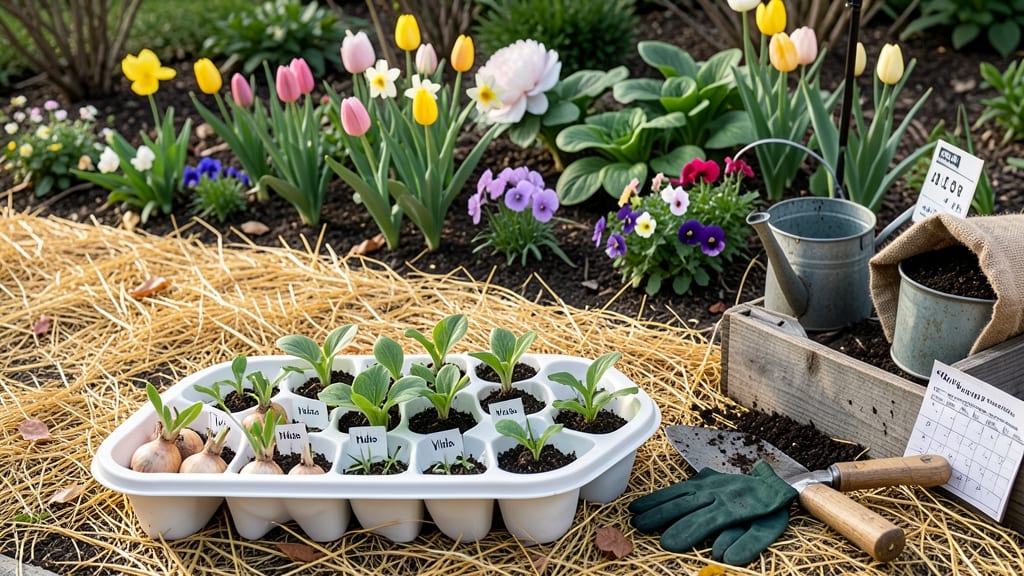
Your Zone 5 flower planting schedule is the secret to a garden that bursts with color every season—but miss the frost dates, and you’ll end up with wilted dreams instead of blooms.
Picture this: you’ve spent hours selecting 🌸 General Flowers that thrive in Zone 5 (5a/5b), only to watch them freeze before spring’s last frost or bolt too early in the heat.
The difference between a stunning garden and a sad one often comes down to timing—and knowing when to plant, not just what to plant.
In this guide, we’ll break down the exact planting windows for spring and fall, how to adjust for microclimates in your area, and the hardiness hacks that keep your flowers thriving even when the weather turns unpredictable.
No more guessing—just a foolproof schedule tailored for Zone 5’s 150 frost-free days.
You’ll learn which flowers to plant in March, April, and May for maximum impact, how to prep your soil for success, and the 3 common mistakes that kill Zone 5 gardens before they even begin. Let’s turn your garden into the envy of the neighborhood—starting with the right schedule.

Zone 5 frost dates & critical planting windows for flowers
Getting your Zone 5 flower planting schedule right means knowing exact frost dates and adjusting for your local microclimate. The average last spring frost in Zone 5 falls around May 10, while the first fall frost typically arrives by October 1.
These dates create a 150-day growing window—your golden opportunity for vibrant blooms.
Annual flowers like marigolds and petunias need to wait until after the last frost, while hardy perennials such as coneflowers can often handle cooler soil. Even a 5-degree difference in your yard’s microclimate can shift planting windows by 1-2 weeks, so always check local records.
For precise timing, use the USDA Plant Hardiness Zone Map and tools like the National Oceanic and Atmospheric Administration (NOAA) frost calculator. These resources account for historical frost patterns and help you avoid planting too early or too late.
Here’s a quick reference for Zone 5 flower planting windows—whether you’re sowing seeds, transplanting seedlings, or dividing perennials:
| Plant Type | Planting Window | Key Notes |
|---|---|---|
| Cold-Hardy Bulbs (e.g., Daffodils, Tulips) | Fall (September–October) | Plant 6 weeks before ground freezes for spring blooms. |
| Early Annuals (e.g., Snapdragons, Pansies) | Late April–Early May | Wait until soil reaches 50°F to avoid frost damage. |
| Heat-Loving Annuals (e.g., Geraniums, Zinnias) | After May 15 | Avoid planting before last frost—they won’t tolerate cold. |
| Perennials (e.g., Coneflowers, Black-Eyed Susans) | Spring (April–May) or Fall (September) | Fall planting gives roots time to establish before winter. |
| Tender Perennials (e.g., Lavender, Russian Sage) | Late May–Early June | Wait until soil is warm (60°F+) to prevent rot. |
Adjust your schedule based on microclimates in your yard. South-facing slopes warm up faster, while low-lying areas stay cooler longer. For example, if your garden sits in a frost pocket, plant heat-loving annuals 2 weeks later than the average Zone 5 timeline.
Use row covers or mulch to extend your planting season. A simple straw mulch layer can protect tender plants from late frosts, while floating row covers let you plant 3-4 weeks earlier in spring or 2 weeks later in fall.
For container gardening, move pots to sheltered spots during cold snaps. Containers heat up and cool down faster than in-ground soil, so monitor them closely. If a hard frost is forecasted, cover containers with burlap or frost cloth to protect roots.
Don’t forget to harden off seedlings before transplanting. Gradually expose them to outdoor conditions over 7-10 days to prevent shock. This is especially critical for tender annuals like impatiens and begonias, which can’t handle sudden temperature drops.
Track your local frost dates for 3-5 years to spot trends. Some years, the last frost might hit 2 weeks late, while others bring an early freeze. By understanding your area’s patterns, you’ll maximize your blooms and minimize losses.
With the right timing, your Zone 5 garden can burst into color from spring bulbs to fall mums. Start with these frost-date guidelines, adjust for your microclimate, and soon you’ll be the envy of the neighborhood with a year-round floral display! 🌷
Month-by-month Zone 5 flower planting calendar (with hardiness hacks)
Zone 5 gardeners know timing is everything—one late frost can wipe out tender seedlings, while early planting might leave flowers struggling to establish before winter.
My month-by-month calendar breaks down exactly when to plant bulbs, perennials, and annuals to maximize blooms, plus hardiness hacks to protect your garden from Zone 5’s unpredictable swings. Think of it as your survival guide for frost-sensitive flowers and cold-hardy champions alike.
From January bulb planting to September perennials, each month offers unique opportunities—and pitfalls. I’ll show you how to extend seasons with row covers, insulate soil for fall plantings, and choose the right flowers for your microclimate.
Whether you’re a beginner or a seasoned gardener, these hardiness tricks will help you avoid common mistakes like overwatering in spring or planting too late for fall blooms.
- 🌱 January: Plant spring-blooming bulbs (daffodils, tulips) 4–6 weeks before last frost. Mulch heavily to protect from freeze-thaw cycles.
- 🌿 March: Start tender annuals indoors (petunias, geraniums). Harden off seedlings before May 10 (avg last frost).
- ☀️ May: Plant heat-loving annuals (marigolds, zinnias) after soil warms to 60°F. Use row covers for early nights.
- 🌼 June: Sow fast-growing summer flowers (cosmos, sunflowers). Mulch to retain moisture during dry spells.
- 🍂 September: Plant fall-blooming perennials (asters, chrysanthemums) and cool-season veggies as companion plants.
- ❄️ October: Divide overcrowded perennials (peony, daylily). Add 3–4 inches of mulch before first frost (~October 1).
- 🔄 November–December: Prune dead foliage from perennials. Plan next year’s layout based on this season’s successes.
Let’s dive into the hardiness hacks that make all the difference. For example, mulching with straw in late fall can protect tender roots from temperature fluctuations—a game-changer for perennials like lavender that struggle in Zone 5’s cold winters.
I’ll also share my go-to row cover brands for extending spring and fall growing seasons by 2–3 weeks.
One of my biggest Zone 5 mistakes was planting tender annuals like impatiens too early in May. The late spring frosts (which can hit May 15–20) wiped out my entire bed.
Now, I wait until after Mother’s Day or use frost cloth as a precaution. Test your soil temperature with a thermometer—if it’s below 55°F, hold off on planting warm-season flowers.
For fall plantings, I swear by insulating soil with cardboard before adding mulch. This blocks weeds, retains heat, and gives late-season perennials like sedum a fighting chance. Pair this with a lightweight row cover on cold nights, and you’ll see blooms well into November.
Pro tip: Label your plants in fall so you don’t accidentally dig up next year’s favorites in early spring!
Remember, Zone 5’s microclimates can vary wildly—even 10 feet apart. A south-facing wall might stay 10°F warmer than your open garden bed, letting you plant annuals 1–2 weeks earlier. Observe your space for sun exposure patterns and wind tunnels that can stress delicate flowers.
With these hardiness hacks, your Zone 5 flower garden will thrive year-round, no matter what Mother Nature throws your way.