
Propagation
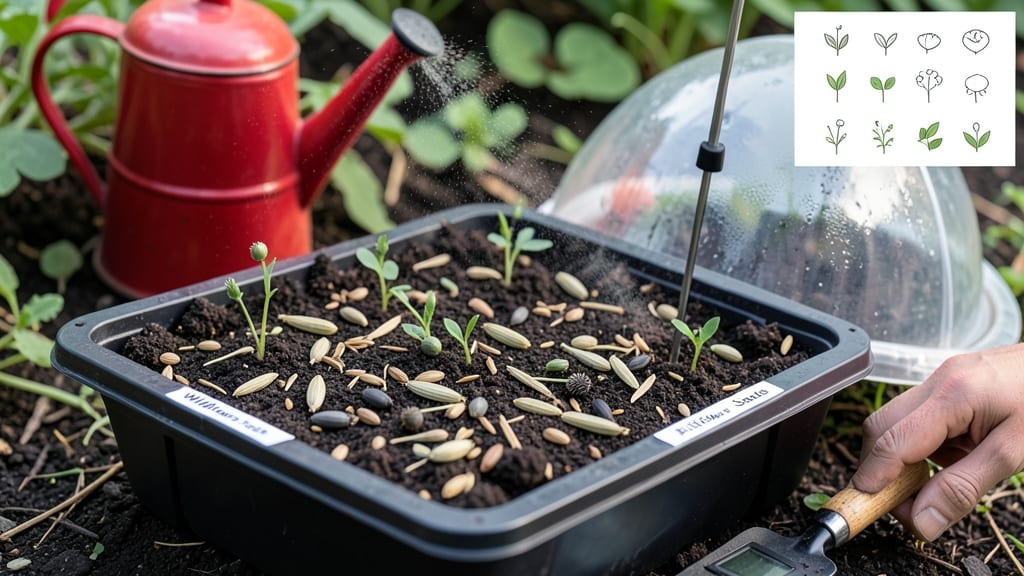
Wildflowers to germinate can take anywhere from 3 days to 6 months, depending on the species and conditions you create for them 🌼.
Ever stared at a freshly planted tray of wildflower seeds, wondering why some pop up in days while others seem to vanish into the soil? The truth is, germination speed isn’t just luck—it’s science.
Some seeds, like cosmos or zinnias, sprout in as little as 5-7 days when conditions are perfect, while others, like black-eyed Susans or milkweed, may take 30-90 days to break through. Knowing these timelines helps you plan your garden without the guesswork.
Soil temperature, moisture, and even seed type play huge roles. Cool-season wildflowers like poppies or lupines often need a cold stratification period to wake up, while warm-season varieties like sunflowers or marigolds prefer heat.
Below, I’ll break down the fastest and slowest germinators, plus pro tips to speed up the process—so you can enjoy those first blooms sooner.
Ready to turn patience into progress? You’ll also discover how to troubleshoot delays, test germination success, and set realistic expectations for when your wildflower meadow will burst into color. Let’s get growing!
Wildflower germination times: fastest vs slowest seed types compared
Understanding wildflower germination times can transform your garden from a guessing game into a predictable, colorful masterpiece. Some seeds burst through soil in just 3 days, while others may take 6 months to sprout.
These differences depend on the seed type, soil temperature, and even your local climate. Let’s break down the fastest and slowest germinating wildflowers so you can plan your planting schedule with precision.
Fast germinators like cosmos and zinnia often sprout within 5-14 days under ideal conditions, making them perfect for impatient gardeners. On the other end, native prairie wildflowers such as black-eyed susan or coneflower may take 30-90 days to emerge.
Knowing these timelines helps you avoid prematurely digging up "failed" seeds or overwatering impatiently.
Soil temperature is the #1 factor influencing germination speed. Most wildflowers prefer soil between 60-75°F, but some, like lupine, thrive in cooler 50-60°F ranges. If your soil is too cold, germination can stall for weeks or months. Conversely, overheated soil (above 85°F) can cause seeds to dry out before sprouting.
Here’s a side-by-side comparison of the fastest and slowest germinating wildflowers, including annuals, perennials, and native species, along with the conditions that accelerate or delay their growth.
| Wildflower Type | Germination Time | Ideal Soil Temp (°F) | Climate Notes |
|---|---|---|---|
| Cosmos (Annual) | 3–7 days | 65–75°F | Fastest in warm, dry climates |
| Zinnia (Annual) | 5–14 days | 70–80°F | Delays in cool, wet springs |
| Sunflower (Annual) | 7–21 days | 60–70°F | Slower in shaded areas |
| Lupine (Perennial) | 14–45 days | 50–60°F | Requires cold stratification |
| Black-Eyed Susan (Perennial) | 30–60 days | 65–75°F | Slower in heavy clay soil |
| Coneflower (Perennial) | 21–90 days | 60–70°F | Often needs scarification |
| Prairie Dropseed (Native) | 60–180 days | 55–65°F | Slowest in wet conditions |
| Goldenrod (Native) | 45–120 days | 60–70°F | Delays in acidic soil |
| Milkweed (Native) | 30–180 days |
How to speed up wildflower germination: pro tips for faster sproutsWaiting for wildflower seeds to sprout can feel like an eternity, but with the right techniques, you can cut germination time in half. The key lies in mimicking natural conditions that break seed dormancy. For example, scarification—scratching or nicking seeds—helps hard-coated varieties like lupines absorb moisture faster. Meanwhile, cold stratification tricks seeds into thinking winter has passed, tricking them into sprouting sooner in spring. Many gardeners overlook optimal planting depth, which directly impacts speed. Seeds need just enough light to germinate—burying them too deep suffocates them, while planting too shallow risks drying. Aim for 2-3 times the seed’s width below soil for most wildflowers. For tiny seeds like cosmos, a light press into the soil surface works best. Step-by-step: Speed up germination in 5 simple actions 1
Pre-treat hard seeds with sandpaper or hot water (5-minute soak) to weaken tough outer layers. Perfect for milkweed or black-eyed Susans.
2
Cold stratify seeds needing winter chill (like poppies) by mixing them with damp sand in a sealed bag and refrigerating for 2-4 weeks.
3
Use bottom heat (70-80°F) for fast germinators like zinnias by placing trays on a seedling heat mat or near a sunny window.
4
Keep soil consistently moist (not soggy) with a mist spray bottle—dry soil halts germination. Cover trays with plastic wrap to retain humidity.
5
Test germination success by placing 10 seeds on a damp paper towel—if 50%+ sprout in 7-14 days, your batch is viable. Discard old seeds if viability drops below 30%.
If your seeds still refuse to sprout after 3-4 weeks, check for rotten seeds (black/mushy) or pests like fungus gnats. A quick fix: replant in fresh, sterile soil and adjust moisture levels. Remember, patience paired with science is your best tool—some native wildflowers need 6+ months to germinate naturally! Pro tip: Label your trays with planting dates and varieties to track progress. I once thought my bluebonnets were a failure—until I realized they’d been buried too deep! A simple adjustment turned my "dead" seeds into a vibrant spring display 🌻. |