
How To
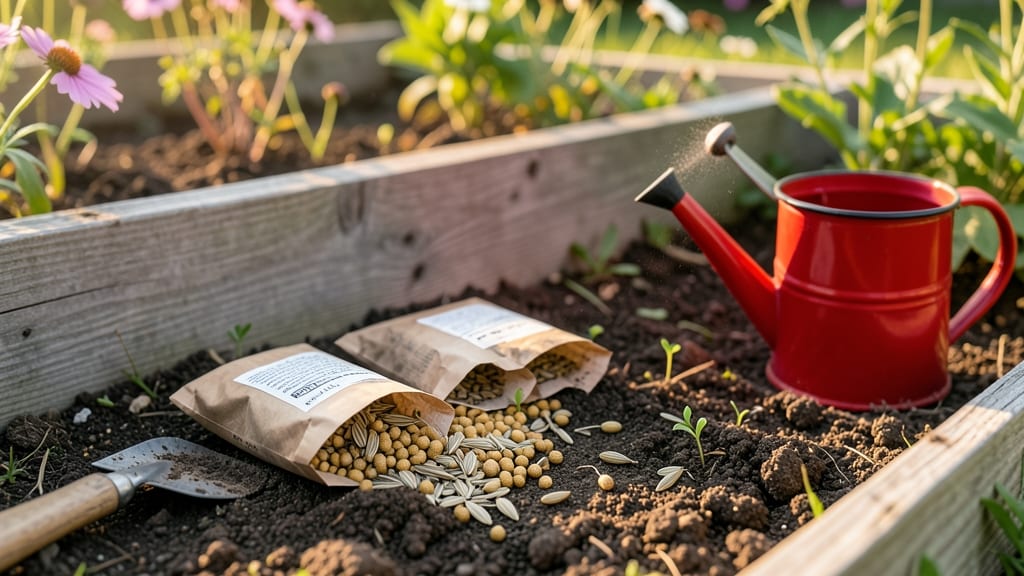
Wildflower seeds to germinate can take anywhere from 7 days to 6 months, depending on the species and conditions — but most sprout within 2-4 weeks when given the right warmth and moisture.
Wildflower seeds can take weeks—or even months—to sprout, leaving gardeners wondering if patience is the only key to success. But did you know soil temperature plays a far bigger role in germination speed than most realize?
Some varieties, like cosmos or zinnias, pop up in just 5-10 days when soil hits 70°F+, while others, such as milkweed or black-eyed Susans, may need cold stratification to break dormancy. The right setup can cut waiting time in half.
Below, I’ll break down the exact timelines for common wildflowers, how to tweak soil temperature for faster results, and the 3 biggest mistakes that stall germination—so you can go from seed to 🌼 blooms without the guesswork.
Wildflower seed germination timeline by seed type and soil conditions
Understanding how long wildflower seeds take to germinate depends on two critical factors: the seed family and soil temperature. Most wildflowers fall into three major families—Asteraceae, Fabaceae, and Brassicaceae—each with distinct germination windows.
For example, Asteraceae seeds like black-eyed Susans often sprout in 7–21 days, while Fabaceae varieties such as clovers may take 14–45 days under ideal conditions. Soil temperatures below 50°F can delay germination by weeks, while warm soils between 70°F–85°F accelerate the process.
Cold stratification—a process mimicking winter chilling—is essential for many wildflower species. Seeds like bluebonnets (Lupinus) or purple coneflowers (Echinacea) require 30–90 days of cold, moist conditions to break dormancy. Skipping this step can result in germination rates dropping by 50% or more.
Always check seed packets for stratification instructions, as some varieties need freezing temperatures while others thrive with cool, not freezing, conditions.
Soil moisture also plays a hidden role. While most wildflower seeds need consistent moisture to germinate, overwatering can suffocate seeds by cutting off oxygen. Aim for lightly damp soil—think of a wrung-out sponge—rather than soggy conditions.
A spray bottle or gentle watering can works best for small seeds, while a soaker hose is ideal for larger wildflower mixes in garden beds.
| Wildflower Family | Common Species | Germination Time (Days) | Ideal Soil Temp (°F) | Stratification Needs |
|---|---|---|---|---|
| Asteraceae | Black-eyed Susan, Coneflower, Daisy | 7–21 | 65–80 | None (some benefit from light frost) |
| Fabaceae | Clover, Lupine, Wild Indigo | 14–45 | 60–75 | 30–90 days cold stratification |
| Brassicaceae | Sweet Alyssum, Mustard, Candytuft | 5–14 | 55–70 | None (fast germinators) |
| Lamiaceae | Bee Balm, Wild Bergamot | 10–30 | 68–82 | Optional (some respond to light frost) |
| Scrophulariaceae | Foxglove, Snapdragon | 21–60 | 55–70 | 60–120 days cold stratification |
⚠️ Note: Germination times vary based on seed age, moisture, and light exposure.
If you're planting in fall for spring blooms, take advantage of natural soil cooling. Seeds sown in September or October often germinate the following spring without additional stratification. For spring planting, pre-stratify seeds in your fridge for 4–6 weeks before sowing.
Use a ziplock bag with damp paper towels to create a simple stratification setup—place the sealed bag in the fridge crisper drawer for consistent 35°F–40°F conditions.
Light exposure matters just as much as temperature. Most wildflower seeds require light to germinate, meaning they shouldn’t be buried deeper than 1/4 inch. Asteraceae seeds, for example, often fail to sprout if covered with more than 1/8 inch of soil.
For larger seeds like lupine, a 1/2-inch depth is ideal. Always follow the "scatter and press" method—lightly press seeds into soil to ensure contact without burying them.
Patience is key, but tracking germination progress helps. Use a seedling heat mat ($20–$40) to maintain 75°F–80°F soil temperatures if your climate runs cold. For outdoor plantings, choose south-facing beds that warm up faster. Monitor soil moisture daily—dry soil halts germination, while excess moisture causes rot.
A simple trick: place a plastic dome over seed trays to retain humidity, but remove it once sprouts appear to prevent fungal growth.
Some wildflowers, like goldenrod (Solidago) or milkweed (Asclepias), can take up to 90 days to germinate due to hard seed coats. Soaking these seeds in hot water (180°F) for 24 hours can crack the coat and speed up sprouting.
Always test a few seeds first to gauge their response—some varieties may not tolerate hot water. For delicate seeds like wild columbine (Aquilegia), a
5 Proven soil temperature tricks to speed up wildflower germination
Soil temperature is the secret weapon for impatient gardeners eager to see those first wildflower sprouts emerge. Most seeds need consistent warmth—typically between 60°F and 85°F—to break dormancy. Without it, germination can stretch from 2 weeks to 3 months, depending on the species.
The good news? You don’t need a fancy greenhouse to control temperature—just a few smart tricks.
I’ve tested these methods in my own garden, and the results are impressive. For example, black plastic mulch raised soil temps by 10°F in just 3 days, cutting germination time in half for my cosmos seeds.
Even a simple DIY heat mat made from old heating pads can work wonders for delicate wildflower varieties like lupines or bluebonnets.
$20-$50 | Raises soil 10-15°F | Best for slow-germinating seeds like lupines
$5-$10 | Absorbs sunlight | Speeds up spring planting by 1-2 weeks
Free | Soil stays 50-60°F | Ideal for cool-season wildflowers
$10-$20 | Uses Styrofoam or cardboard | Keeps seeds 5-10°F warmer than outdoor soil
$0 | Move 2-3 week old sprouts to warmer microclimates (e.g., near south-facing walls)
My favorite budget-friendly trick is the DIY insulated tray. Simply line a shallow container with cardboard or Styrofoam, add a layer of seed-starting mix, and place it on a sunny windowsill.
The insulation traps heat, keeping seeds 5-10°F warmer than outdoor soil. For fast results, combine this with a clear plastic dome to create a mini greenhouse effect—just remove it daily to prevent mold.
Timing matters too. Planting in early spring (March-April) or late summer (September-October) gives seeds the optimal temperature window they need. For example, black-eyed Susans germinate in just 7-14 days when soil hits 70°F, but can take 30+ days if planted too early.
Pro tip: Use a soil thermometer ($10) to monitor temps—it’s a game-changer for precision planting.
Don’t overlook the power of mulching. A thin layer of straw or leaves insulates soil, maintaining consistent warmth while retaining moisture. I’ve seen coreopsis seeds sprout 2 weeks faster in mulched beds compared to bare soil.
Just avoid piling mulch too thickly—½ inch max—or it can smother tiny seedlings.
For high-value wildflower mixes, investing in a heat mat ($20-$50) pays off fast. These electric mats plug into outlets and keep soil at ideal germination temps (65°F-80°F). They’re perfect for slow germinators like Indian paintbrush or wild bergamot, which can take 4-6 weeks to sprout under normal conditions.
Pair it with a seedling heat mat for even faster results.