
Size
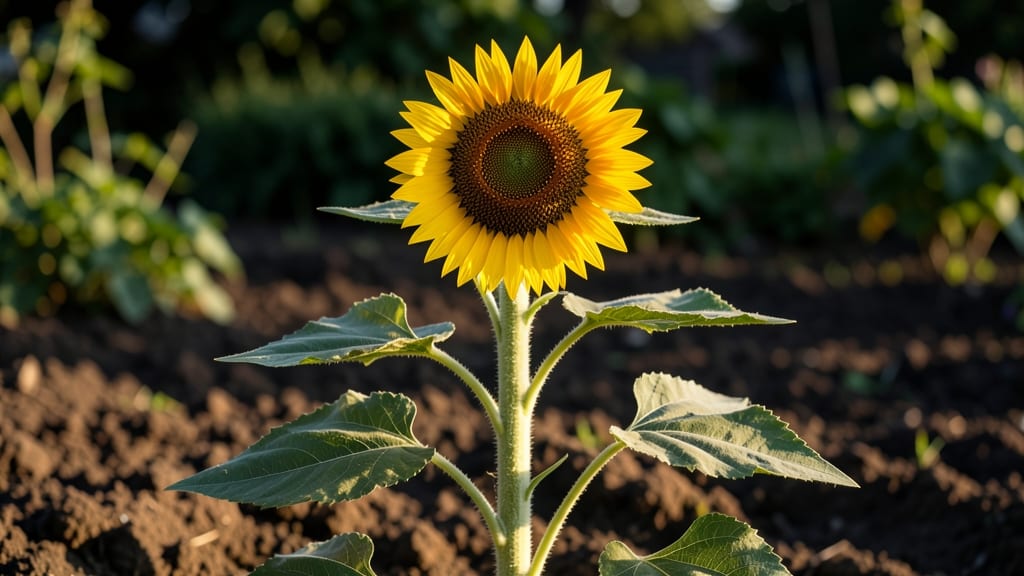
Sunflowers’ height can range from a compact 3 feet to a towering 16 feet—and that difference changes everything in your garden.
Did you know some varieties stretch taller than a basketball hoop, while others stay small enough to tuck into containers? The height of sunflowers isn’t just about space—it also affects how you arrange your garden, which pollinators visit, and even how you harvest seeds.
Whether you’re dreaming of a backyard skyline or a low-maintenance border, choosing the right variety makes all the difference. Below, I’ll break down the height ranges of popular sunflowers, what makes them grow tall (or stay short), and how to plan your garden around their size.
You’ll also discover pro tips to encourage taller growth—or keep them manageable—so your sunflowers thrive exactly how you want them to.

Sunflower height by variety: from dwarf to giant species
Choosing the right sunflower variety starts with understanding their height ranges. Whether you're designing a container garden or creating a dramatic backyard focal point, knowing how tall your sunflowers will grow helps with spacing, support needs, and even pollinator attraction.
Let’s explore the four main height categories and the best varieties for each.
Sunflowers can range from dwarf varieties perfect for small spaces to giant cultivars that reach heights rivaling small trees. The right choice depends on your garden’s size, your goals (edible seeds, cut flowers, or pollinator support), and even your local climate.
Let’s break down the options so you can pick the perfect sunflowers for your space.
| Height Range | Popular Varieties | Best Uses | Growth Habit |
|---|---|---|---|
| Under 3 ft | 'Teddy Bear', 'Moulin Rouge', 'Pomeranian White' | Containers, borders, pollinator gardens | Compact, multi-stemmed |
| 3–6 ft | 'Autumn Beauty', 'ProCut', 'Sunspot' | Cut flowers, small gardens, wildlife habitats | Single or multi-stemmed |
| 6–12 ft | 'Moulin Rouge' (tall), 'Russian Giant' (dwarf version), 'Autumn Beauty' | Backyard screens, cut arrangements, seed production | Tall single stems, sturdy |
| 12+ ft | 'Russian Giant', 'Mammoth Russian', 'Colossus' | Dramatic focal points, seed harvesting, large gardens | Extremely tall, single stems, needs staking |
For small gardens or containers, dwarf varieties like 'Teddy Bear' (under 3 ft) are ideal. These sunflowers produce multiple stems with cheerful blooms, making them perfect for pollinators like bees and butterflies. Their compact size also works well in urban landscapes where space is limited.
'Moulin Rouge' is a versatile choice, offering both dwarf (3–4 ft) and tall (10+ ft) versions. The dwarf version thrives in window boxes or hanging baskets, while the tall variety adds height to flower arrangements or backyard borders. Its bi-color blooms (red and yellow) also attract hummingbirds, adding another layer of garden interest.
If you're aiming for dramatic height, varieties like 'Russian Giant' can reach 12–15 feet or more. These giants are perfect for large gardens or as privacy screens.
However, they require sturdy staking to prevent toppling, especially in windy conditions. Their massive seed heads also make them a favorite for bird feeders once dried.
Medium-height sunflowers (6–12 ft) strike a balance between space efficiency and impact. Varieties like 'Autumn Beauty' produce multi-colored blooms that transition from yellow to rust as they age, offering season-long interest.
These are excellent for cut flower arrangements and thrive in mixed borders where they can complement other tall plants like hollyhocks or delphiniums.
When planning your sunflower garden layout, consider both height and spacing requirements. Taller varieties need at least 18–24 inches between plants to support their heavy seed heads, while dwarf varieties can be spaced as close as 6–12 inches apart.
Grouping sunflowers by height also creates a natural tiered effect, guiding the eye through your garden.
Don’t overlook the edible potential of taller sunflowers. Varieties like 'Mammoth Russian' produce large, nutritious seeds perfect for roasting or bird feed. Even dwarf varieties like 'Sunspot' yield edible seeds, though in smaller quantities.
If you're growing sunflowers for harvesting seeds, prioritize varieties with thick stems and sturdy blooms to support the weight.
For urban gardeners or balcony planters, consider terracotta pots or fabric grow bags to grow dwarf sunflowers. Varieties like 'Pomeranian White' (under 2 ft) thrive in containers and produce pure white blooms that contrast beautifully with purple or blue flowers.
Just ensure your container has drainage holes and use a lightweight potting mix to prevent tipping.
Finally, remember that sunflower height can vary based on growing conditions. Providing full sun (6+ hours daily), well-draining soil, and consistent moisture (but not soggy roots) will help your sunflowers reach their full potential. With the right variety and care
What determines sunflower height? Genetics, soil, and care secrets
Sunflowers are nature's skyscrapers, and their height potential depends on a mix of science and care. While some varieties stay short and bushy, others can reach 15 feet or taller. This variation isn't random—it's the result of genetics, soil quality, and how you nurture them.
Let's break down the key factors that turn a tiny seed into a towering plant.
The first factor is genetics. Sunflowers come in single-stem and multi-stem varieties. Single-stem types like 'Russian Giant' focus all their energy on one tall stalk, while multi-stem varieties like 'Autumn Beauty' produce multiple shorter stems.
Even within a variety, height can vary by 10-20% due to genetic quirks inherited from parent plants.
Soil plays a crucial role too. Sunflowers thrive in well-draining soil with a balanced pH of 6.0-7.5. The right mix of nutrients—especially phosphorus for root development and potassium for stem strength—helps them grow tall.
Too much nitrogen, however, can lead to lush foliage but weak stems, causing plants to flop under their own weight.
Sunlight is another game-changer. Sunflowers need at least 6-8 hours of direct sun daily. Without enough light, they'll grow leggy and weak, reaching for the sun but never achieving their full potential.
In my garden, I've seen Russian Giants grow 30% taller when planted in full sun compared to partial shade.
Watering techniques also impact height. Deep, infrequent watering encourages roots to grow deeper, supporting taller growth. Shallow, frequent watering can lead to weak root systems and stunted plants. I water mine once a week during dry spells, giving each plant 1-2 gallons at the base to prevent surface drying.
Finally, pruning and staking can influence height. Removing side shoots early in growth directs energy to the main stem, while staking tall varieties prevents them from bending. I use bamboo stakes for varieties over 8 feet, tying them loosely to avoid restricting growth.
🌱 Key Takeaway: Maximizing Sunflower Height
💡 Pro Tip: Mulch around the base to retain moisture and reduce competition from weeds.
By understanding these factors, you can grow sunflowers that reach their full potential. Whether you're aiming for a privacy screen, a pollinator magnet, or simply a stunning centerpiece, the right care makes all the difference.
My tallest sunflower yet hit 14 feet—and it all started with the right genetics, soil prep, and a little extra sunlight!