
Pests
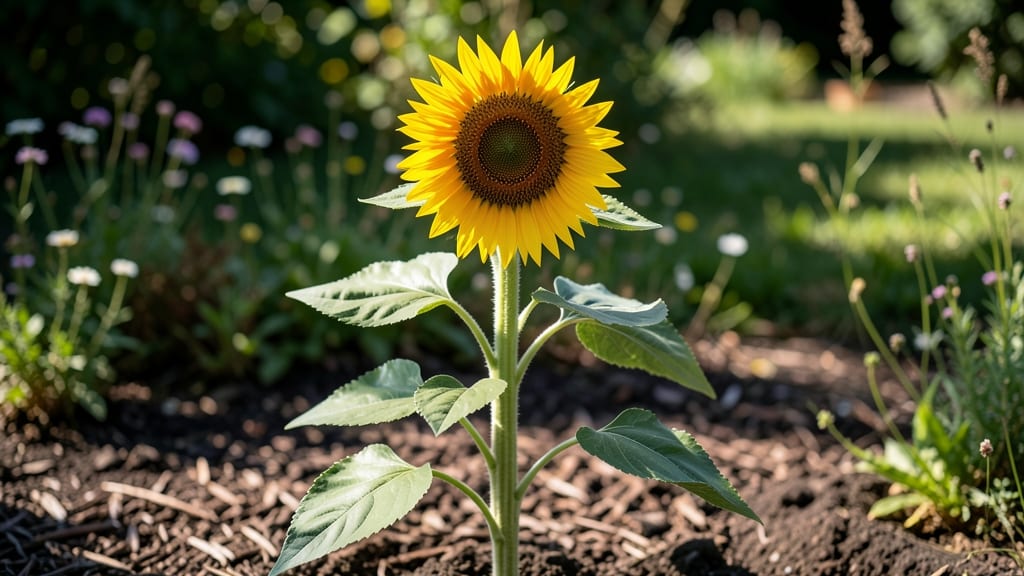
The world's tallest sunflower isn't just a garden curiosity—it's a 30-foot marvel that pushes the limits of what's possible in your backyard.
Picture this: a towering 🌻 that dwarfs your house, its massive bloom turning heads in your neighborhood. Achieving this kind of height isn’t just luck—it’s science, timing, and a few pro grower tricks you can use right away.
From picking the right sunflower variety to mastering soil prep and watering schedules, we’ll break down the exact steps that turn a 6-foot plant into a record-breaker. Even in USDA Zone 6a, where frost lingers, you can coax your sunflower to new heights with the right care.
Ready to grow a sunflower that steals the show? Here’s how to give your 🌻 the best shot at reaching for the sky—without toppling over.
Scientific secrets behind growing a 30-Foot sunflower
The world's tallest sunflower isn't just a fluke—it's the result of botanical science and agricultural precision. Record-breaking sunflowers like the Mammoth Russian hybrid or Russian Giant varieties reach heights of 25-30 feet thanks to specific genetic traits and cultivation techniques.
Unlike your average 6-foot sunflower, these giants require a perfect storm of conditions to thrive.
At the heart of these towering plants is their rapid vertical growth driven by tall stem genetics. These hybrids have been bred to maximize cell elongation in their stems, allowing them to grow 1-2 feet per week under ideal conditions.
The phloem-to-xylem ratio in their stems is also optimized, ensuring efficient nutrient and water transport to support their massive height.
| Factor | Record-Breaker Specifications | Standard Variety Needs |
|---|---|---|
| Genetic Hybrid | Mammoth Russian or Russian Giant | Autumn Giant or ProCut |
| Sunlight Requirement | 10+ hours daily | 6-8 hours daily |
| Water Needs | 3-5 gallons per day | 1-2 gallons every 3 days |
| Soil pH | 6.0-7.5 (amended) | 5.8-7.0 (natural) |
| Nutrient Boost | High-potassium fertilizer | Balanced 10-10-10 |
| Staking Support | 3+ bamboo poles per plant | 1-2 stakes optional |
| Growth Rate | 1-2 feet per week | 6-12 inches per week |
The world record sunflower of 2023, grown in Galesburg, Michigan, reached 27.6 feet thanks to extended daylight exposure and supplemental CO2. While you might not have access to agricultural greenhouses, you can replicate some of these conditions in your backyard.
Start by selecting heirloom giant varieties like Russian Mammoth, which are bred specifically for height.
One of the most critical factors is soil composition. Record-breaking sunflowers require well-draining, nutrient-rich soil with a high organic matter content (at least 50% compost).
Amend your soil with aged manure or worm castings before planting to ensure your sunflower has the phosphorus and potassium needed for rapid stem growth. A soil test is essential—aim for a pH between 6.0 and 7.5.
Watering plays a pivotal role in achieving 30-foot heights. Unlike standard sunflowers, these giants need consistent deep watering—up to 3-5 gallons per day during peak growth. The key is morning watering to reduce evaporative loss and fungal risks.
Use drip irrigation to deliver water directly to the roots, avoiding leaf wetness that can lead to powdery mildew, a common issue with towering sunflowers.
Nutrition is another game-changer. While standard sunflowers thrive on balanced 10-10-10 fertilizer
Step-by-step guide to maximizing sunflower height
Growing a sunflower that reaches record-breaking heights requires more than just planting a seed—it’s about creating the perfect environment for vertical growth. The world’s tallest sunflower didn’t happen by accident; it took precise soil prep, strategic spacing, and consistent care.
If you’re aiming for a 15-foot giant (or beyond!), start with these foundational steps to give your sunflower the best chance to stretch toward the sky.
First, choose the right variety. For maximum height, opt for Mammoth or Russian Giant sunflower seeds, which are bred for their towering potential. These varieties can grow 12-15 feet tall under ideal conditions, but they need the right conditions to reach their full height.
Pair this with a long growing season (at least 120 days) and you’re off to a great start.
🌱 Step-by-Step Guide to Growing a Towering Sunflower
-
Step 1: Soil Preparation
Test your soil’s pH (aim for 6.0-7.0) and amend with compost or aged manure to improve drainage and nutrient retention. Sunflowers thrive in loamy soil rich in organic matter, so till the top 12 inches deeply to encourage strong root development. -
Step 2: Spacing for Stability
Plant seeds 1 inch deep and 6 inches apart, but thin seedlings to 18-24 inches apart as they grow. Wider spacing prevents competition for nutrients and reduces the risk of lodging (stem collapse) as the plant matures. -
Step 3: Staking for Support
Install bamboo stakes or metal cages at planting time, securing them 2-3 feet deep into the soil. As the stem grows, tie it loosely with soft plant ties every 2-3 feet to prevent wind damage without restricting growth. -
Step 4: Watering Routine
Water deeply 2-3 times per week during dry spells, aiming for 1-2 gallons per plant. Keep soil consistently moist but avoid waterlogging, which can rot roots. Water at the base of the plant in the morning to minimize fungal risks. -
Step 5: Fertilizing Strategy
Apply a balanced fertilizer (10-10-10) when seedlings are 6 inches tall, then again when buds form. Use 1 tablespoon per plant to avoid overfeeding, which can weaken stems. Side-dress with compost mid-season for a nutrient boost. -
Step 6: Pruning for Height
Remove any side buds that form below the main head to redirect energy upward. Prune with clean shears, leaving 1-2 inches of stem above the bud. This technique ensures the plant focuses on growing taller rather than branching out. -
Step 7: Daily Care Checklist
Monitor for pests like aphids or diseases such as powdery mildew. Spray affected areas with neem oil or a baking soda solution (1 tsp baking soda + 1 quart water) weekly. Mulch around the base with straw to retain moisture and suppress weeds.
One of the biggest challenges in growing a tall sunflower is maintaining stability. Even with staking, strong winds or heavy flower heads can cause the stem to snap. To mitigate this, avoid over-fertilizing with nitrogen, which promotes leafy growth at the expense of stem strength.
Instead, focus on a balanced NPK ratio and ensure your sunflower gets full sun exposure (6-8+ hours daily) to build a sturdy structure.
As your sunflower nears maturity, watch for signs of stress like yellowing leaves or wilting. These can indicate nutrient deficiencies or root rot. Adjust your care routine by adding compost or reducing water if needed.
Remember, the world’s tallest sunflowers aren’t just lucky—they’re the result of consistent, attentive care from seed to harvest.
With these steps, you’ll give your sunflower the best shot at reaching new heights. While breaking a world record may take years of trial and error, growing a 15-foot sunflower in your backyard is entirely achievable with patience and precision. Happy growing! 🌻