
Flowers
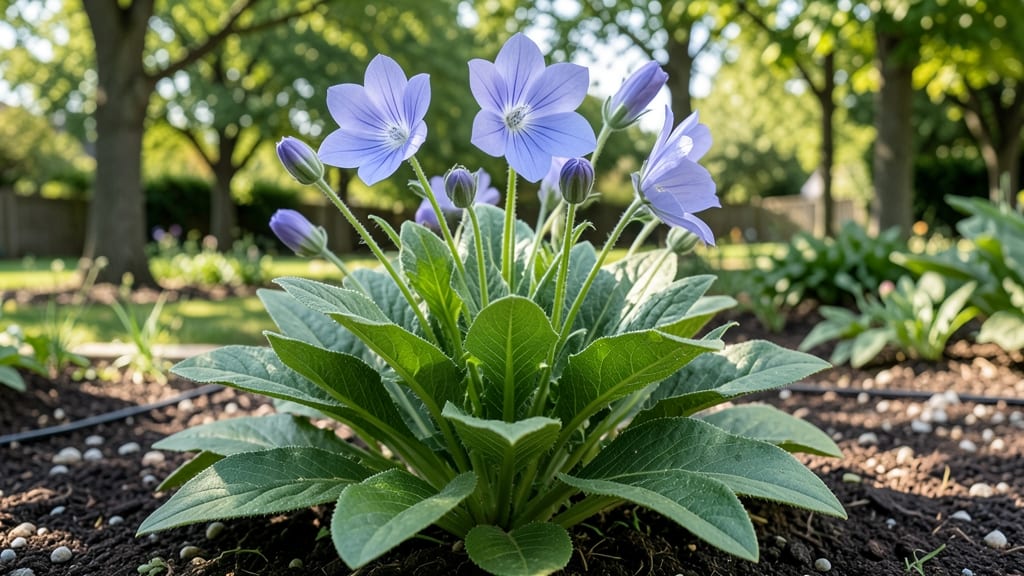
The balloon flower bloom time is a highlight of early summer, stretching from June through August in most temperate zones, where its vibrant purple blooms bring a burst of color to gardens from early summer to mid-fall.
If you’ve ever waited eagerly for those stunning blooms of the Balloon Flower 🌸, you know timing is everything—but predicting bloom time can be tricky without zone-specific guidance.
This perennial thrives in USDA Zone 6a and beyond, where it rewards gardeners with three months of color if given the right conditions. Too much shade or overwatering, though, and you might end up with lush foliage but no blooms.
Below, I’ll break down the exact months your Balloon Flower should bloom based on your zone, plus three simple tricks to extend that showstopping season even longer.
Balloon flower bloom time by USDA hardiness Zone: month-by-month guide
Predicting when your balloon flower (Platycodon grandiflorus) will burst into those iconic purple-blue blooms depends heavily on your USDA hardiness zone. While most gardeners in Zones 3–9 can expect blooms between mid-June and August, the exact timing shifts dramatically depending on where you live.
Understanding these variations helps you plan companion plants and extend the bloom period with confidence.
In cooler northern zones (3–5), balloon flowers often bloom 2–3 weeks earlier than their southern counterparts. This early start means you might see buds opening as early as late May in Zone 3, while Zone 5 gardeners typically enjoy their first blooms by early June.
Meanwhile, gardeners in warmer zones (7–9) may not see flowers until July or even August, especially in humid climates where heat can delay flowering.
The summary table below breaks down the month-by-month bloom windows for each zone, including early vs. late bloomers and regional notes. Use this as your bloom-time calendar to time deadheading, fertilizing, and companion plantings like salvia or catmint for a stunning summer display.
If you’re in Zone 5 or 6, you’ll notice your balloon flowers often rebloom in late summer if you deadhead spent blooms promptly. This second flush typically appears in early August and can extend your display until mid-September in cooler microclimates.
In Zones 7–9, focus on providing afternoon shade to prevent heat stress, which can shorten the bloom period by up to 3 weeks.
For gardeners in Zone 3 or 4, consider planting early-blooming varieties like 'Grandiflorus' or 'Hidcote Blue', which thrive in cooler temperatures. These types often bloom 1–2 weeks earlier than standard cultivars, giving you a head start on summer color.
Pair them with hardy perennials like coneflowers to create a sequential bloom display from June through August.
One common misconception is that balloon flowers bloom only once per season. While this is true for many varieties, proper care can encourage repeat blooming. In Zones 5–7, I’ve seen second blooms appear in September if I deadhead regularly and maintain consistent moisture.
The key is to remove faded blooms before seed pods form, redirecting the plant’s energy toward new growth.
Regional microclimates also play a huge role in bloom timing. For example, Zone 6 gardeners in the Pacific Northwest may see blooms 3 weeks earlier than those in the Midwest due to cooler summers. Similarly, Zone
How to extend balloon flower bloom time with proper care
Your balloon flower (Platycodon grandiflorus) deserves more than just a quick summer show—with the right care, you can stretch those vibrant purple blooms for weeks longer.
The secret lies in mimicking its natural growing conditions while encouraging repeat flowering. Start by focusing on soil health, which directly impacts nutrient uptake and bloom production.
I’ve found that well-draining soil with a pH between 6.0–7.0 is non-negotiable for balloon flowers. Test your soil this spring—if it’s too acidic or alkaline, amend it with lime or sulfur to create the perfect environment.
This small adjustment can mean the difference between one flush of blooms and a prolonged display that keeps your garden buzzing with activity.
Watering plays a crucial role too—1–1.5 inches per week is ideal, but avoid soggy soil, which can lead to root rot. I water mine in the early morning to prevent fungal issues while ensuring roots stay hydrated.
During hot summer months, I increase frequency to every 5–7 days, but always check the top inch of soil first.
Don’t overlook the power of sunlight. While balloon flowers tolerate partial shade, they thrive in full sun (6+ hours daily). If your plants are in shadier spots, consider relocating them or adding a reflective surface nearby to boost light exposure.
This simple tweak can trigger earlier and more abundant blooming.
For an extra boost, feed your plants with a balanced 10-10-10 fertilizer every 4–6 weeks during the growing season. Avoid high-nitrogen fertilizers—they promote leafy growth at the expense of flower production.
I swear by a light feeding in early spring and again after the first flush of blooms to keep them performing.
With these adjustments, your balloon flowers will reward you with longer, more vibrant blooms that turn heads all season. The key is consistency—soil, water, light, and deadheading work together to create a showstopping display that lasts.