
Blooming
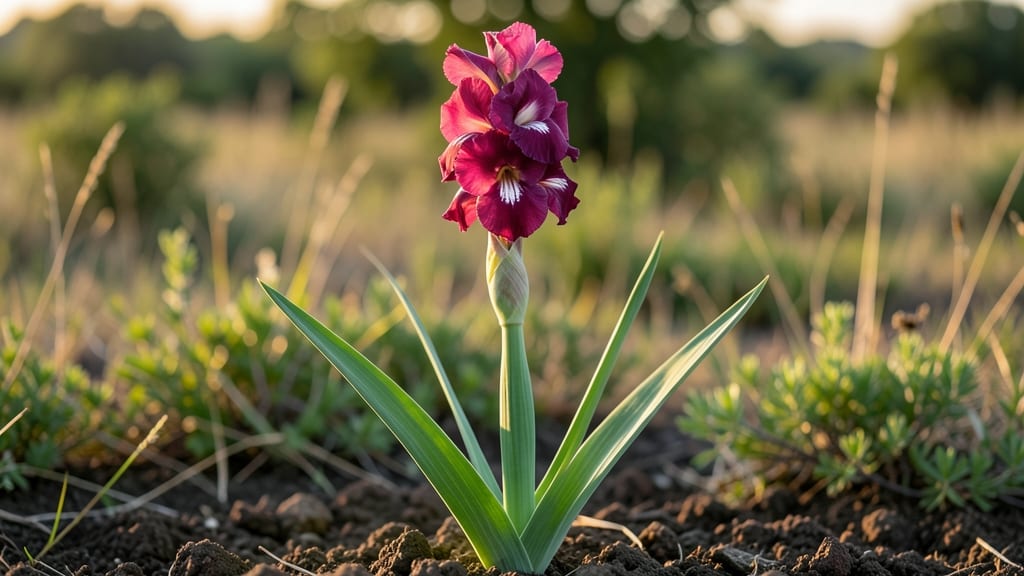
Gladiolus flowering season peaks in late summer to early fall, turning your garden into a vibrant spectacle 🌸 when timed just right.
Timing your gladiolus planting and care perfectly ensures jaw-dropping summer blooms—but knowing exactly when these showstopper flowers will peak depends on your hardiness zone.
In Zone 6a, where many gardeners live, you can expect those dramatic spikes of color from July through September, with early varieties pushing blooms into June and late ones stretching into October.
Below, I’ll break down the exact months for your region, how to adjust planting for optimal results, and the 3 key factors that make the difference between a few sad blooms and a garden bursting with color.
Gladiolus flowering months by USDA hardiness Zone: exact timelines
If you've ever wondered why your gladiolus blooms seem to appear at different times each year, the answer lies in your USDA hardiness zone. These striking summer flowers thrive on precise timing, and understanding your zone's blooming window is key to planning a garden that bursts with color.
From the cool northern climates of Zone 3 to the warm southern regions of Zone 11, gladiolus flowering seasons vary dramatically.
In my experience, Zone 3 gardeners often struggle with short growing seasons, while Zone 11 growers can enjoy nearly year-round blooms with the right varieties. The secret to stunning displays lies in planting early vs. late varieties and adjusting your schedule based on your local climate.
Let's break down the exact months you can expect blooms in each zone, plus how to extend your season for continuous color.
Notice how Zone 3-4 gardeners get their first blooms in mid-July, while Zone 11 growers can enjoy flowers as early as April? This dramatic shift occurs because gladiolus corms need consistent warmth to trigger blooming.
In cooler zones, I recommend planting early varieties like 'Picturestream' to maximize your short season.
For Zones 5-6, the blooming window stretches from late June through late August, giving you plenty of time to enjoy these showy spikes. The key here is succession planting—plant new corms every 2-3 weeks to create a continuous display.
I've found that planting in late May and early June works best for my Zone 6 garden.
In warmer climates (Zones 7-11), gladiolus can bloom almost year-round with proper care. Zone 7-8 gardeners should take advantage of early June starts and extend their season through October by choosing late-blooming varieties like 'Pink Parfait'.
For Zone 9-10, you can even enjoy Christmas blooms with varieties like 'Red Beauty'!
Climate plays a huge role in flowering timing. In humid southern zones, I've noticed blooms often arrive earlier but may suffer from bud rot if not planted in well-draining soil.
Meanwhile, northern gardeners must protect their corms from early frosts by lifting them after blooming or using mulch blankets.
To adjust your planting schedule, use this simple rule: Count backward 120 days from your zone's average first frost date. For example, if your first frost is October 15, plant your late varieties by June 1
How to extend your gladiolus season: pro tips for longer blooms
Want your gladiolus to bloom earlier or later in the season? The secret lies in strategic planning and a few care tweaks that can push those stunning spikes to flower weeks ahead or linger longer.
Whether you're in a cool northern zone or a hot southern climate, these methods will help you create a continuous display of color.
Start by choosing the right gladiolus varieties. Early bloomers like 'Early Star' or 'Picasso' typically flower in mid-summer, while late varieties such as 'Green Star' or 'Black Star' bloom in late summer to early fall.
Mixing these varieties in your garden ensures a prolonged bloom time without gaps. For example, plant early varieties in spring and late varieties in early summer to stagger their flowering periods.
Here’s how to maximize your gladiolus season with proven strategies:
Choose Early & Late Varieties
Plant early bloomers (e.g., 'Early Star') in spring and late bloomers (e.g., 'Black Star') in early summer for a 6-8 week extended display.
Warm Soil Tricks for Early Blooms
Plant gladiolus corms in black plastic mulch or heat-absorbing fabric 2-3 weeks before your usual planting date. This raises soil temperature by 5-10°F, encouraging earlier sprouting.
Succession Planting Schedule
Plant new gladiolus corms every 3-4 weeks from April to July. This creates a rolling bloom effect, ensuring fresh flowers every 4-6 weeks.
Post-Bloom Care for Next Year
After blooming, cut back spent spikes but leave foliage until yellow. This allows corms to store energy for next year’s longer, healthier blooms.
Fertilize Strategically
Use a balanced fertilizer (10-10-10) when shoots emerge and again when buds form. Avoid over-fertilizing, which can delay blooming or reduce flower quality.
Don’t forget to protect your gladiolus from late-season pests like thrips or aphids, which can stunt growth. Spray with neem oil or introduce ladybugs to keep them at bay. In cooler zones, consider using a cloche or row cover to extend the growing season by 2-3 weeks.
With these pro tips, your gladiolus will bloom earlier, last longer, and create a showstopping display that keeps your garden vibrant from summer to fall. Happy gardening! 🌸