
Flowers
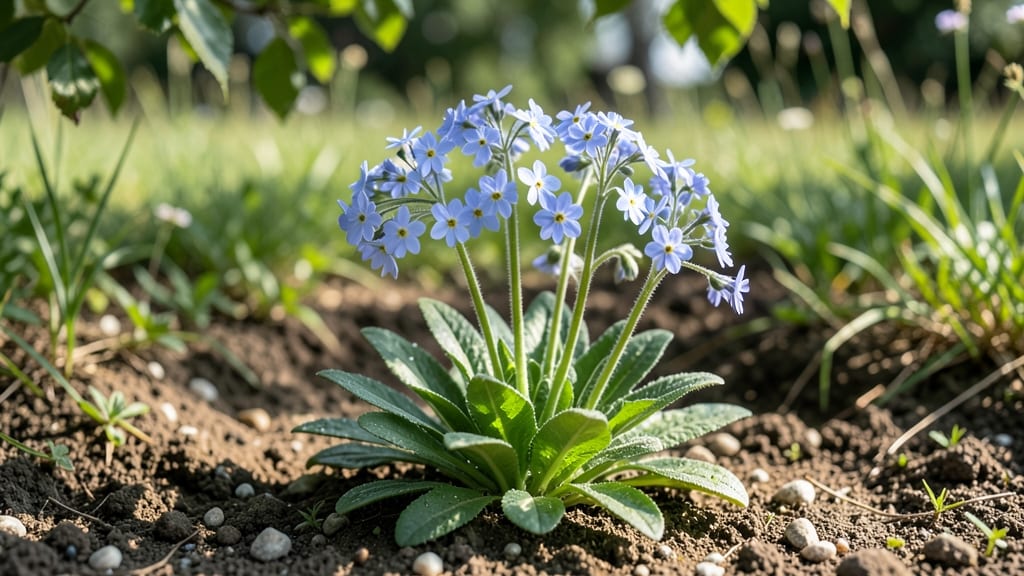
Forget-me-not flowers bloom from late spring through early summer 💙, with their delicate blue blooms appearing like clockwork if you plant them at the right time.
If you've ever wondered why these charming blue flowers seem to vanish as quickly as they appear, you're not alone—Forget-Me-Nots have one of the most precise bloom windows in the garden. But when exactly do they burst into color, and how can you coax them to bloom longer?
In most of the U.S., including USDA Zone 6a, they typically start blooming in May and continue through June, though cooler climates may see them linger into early July.
The key is planting seeds in March or April, after the last frost, to ensure they establish roots before the heat arrives.
Below, I’ll break down the exact months by region, share simple tricks to extend their bloom time, and recommend the best varieties for long-lasting color. Whether you’re a beginner or a seasoned gardener, these tips will help you enjoy their cheerful faces for weeks.
Forget-me-not bloom seasons: exact months by US hardiness Zones
Forget-me-nots (Myosotis) are famous for their delicate blue blooms, but their bloom timing varies dramatically depending on your USDA hardiness zone and local climate.
In cooler northern zones, these flowers often burst into color in late spring, while southern gardeners may enjoy them in early spring or even fall.
Understanding these patterns helps you plan for the best display. Perennial varieties typically bloom earlier than annuals, giving you a head start on seasonal color.
Your location determines everything—from first bloom dates to how long they'll keep flowering. For example, gardeners in Zone 3 might see their first forget-me-not blooms in May or June, while those in Zone 10 could enjoy them as early as February or March.
Even within the same zone, microclimates (like urban heat islands or coastal breezes) can shift bloom times by 2-4 weeks. Let's break down the exact months for each zone so you can time your planting perfectly.
Comparison Table: Forget-Me-Not Bloom Seasons by USDA Zone
If you're in Zones 3-4, your forget-me-nots will likely bloom in a 4-6 week window during late spring. This short season means timing is critical—start seeds indoors in March to give them a head start.
In contrast, gardeners in Zones 7-10 can enjoy forget-me-nots for 2-3 months, with some varieties even reblooming in fall. The key difference? Temperature tolerance: southern varieties handle warmer winters better, while northern ones thrive in cooler springs.
For extended blooming, focus on soil moisture and partial shade. Forget-me-nots in full sun (like Zone 10 gardens) may bolt faster, while those in cooler, shaded spots (like Zone 5 borders) often last longer.
I’ve found that adding a 2-inch layer of mulch after planting helps retain moisture, which directly impacts bloom duration. In my Zone 6 garden, this simple trick added 2 weeks to my forget-me-not display last year.
Another pro tip: Deadhead spent blooms regularly to encourage new flowers. In Zones 5-8, this practice can extend the bloom season by 3-4 weeks. I use clean pruners to snip off faded flowers just above the next set of leaves, which also keeps the plants looking tidy.
For annual varieties in warmer zones, you can even sow new seeds every 6 weeks to create a continuous display from spring through fall.
Climate plays a bigger role than most gardeners realize. For example, coastal areas in Zone 9 might see forget-me-nots bloom in January due to milder winters, while inland areas in the same zone may not see flowers until March.
Always check your local last frost date—planting too early can stunt growth, while waiting too long may miss the first bloom window entirely. My Zone 7 garden gets its first forget-me-not blooms in early March, but I’ve seen neighbors in nearby valleys wait until April.
For northern gardeners (Zones 3-6), consider overwintering perennials with a thick layer of straw mulch. This protects the roots and often results in earlier blooms the following spring. In my Zone 4 garden, I’ve had forget-me-nots emerge in
How to extend forget-me-not blooming time with simple gardening hacks
Forget-Me-Nots may seem fleeting, but with the right care, you can transform their short-lived blooms into a longer-lasting display. These delicate flowers typically bloom for just a few weeks, but by implementing a few simple gardening hacks, you can encourage more flowers and prolong their beauty.
The key lies in understanding their needs and acting at the right moments.
One of the most effective ways to extend blooming is through regular deadheading. This practice removes spent flowers, redirecting the plant’s energy toward producing new blooms. Forget-Me-Nots respond beautifully to this technique, often rewarding you with a second flush of flowers if done consistently.
Combine this with proper soil management, and you’ll create ideal conditions for continuous blooming.
🌱 5 Simple Hacks to Extend Forget-Me-Not Blooms
- 🌿 Deadhead daily – Remove faded blooms to encourage new flowers.
- 💧 Water deeply – Keep soil consistently moist but avoid waterlogging.
- 🌡️ Adjust soil pH – Aim for 6.0-7.0 with compost or lime.
- ☀️ Provide partial shade – Protect from harsh afternoon sun in hot climates.
- 🌼 Plant companions – Pair with sweet alyssum or pansies for extended color.
Another game-changer is maintaining the right soil pH. Forget-Me-Nots thrive in slightly acidic to neutral soil, with a target range of 6.0-7.0. If your soil is too alkaline, the plants may struggle to absorb nutrients, leading to fewer blooms.
Test your soil and amend it with compost or peat moss if needed. This small adjustment can make a big difference in flower production.
Consistent watering schedules are also crucial. Forget-Me-Nots prefer moderate moisture, so water deeply once or twice a week, ensuring the top inch of soil stays damp. Avoid overhead watering in the evening, as this can promote fungal diseases.
Instead, water in the early morning to give the plants a full day to dry out.
Don’t overlook the power of companion planting. Forget-Me-Nots pair beautifully with low-growing plants like sweet alyssum or pansies, which can help deter pests and extend the overall bloom time of your garden bed. These companions also provide visual contrast, making your Forget-Me-Nots stand out even more.
Finally, a light spring fertilizer can give your Forget-Me-Nots the boost they need. Use a balanced 5-10-10 fertilizer in early spring to encourage healthy growth and abundant blooms.
Avoid over-fertilizing, as this can lead to lush foliage at the expense of flowers. A little goes a long way with these delicate plants!