
Flowers
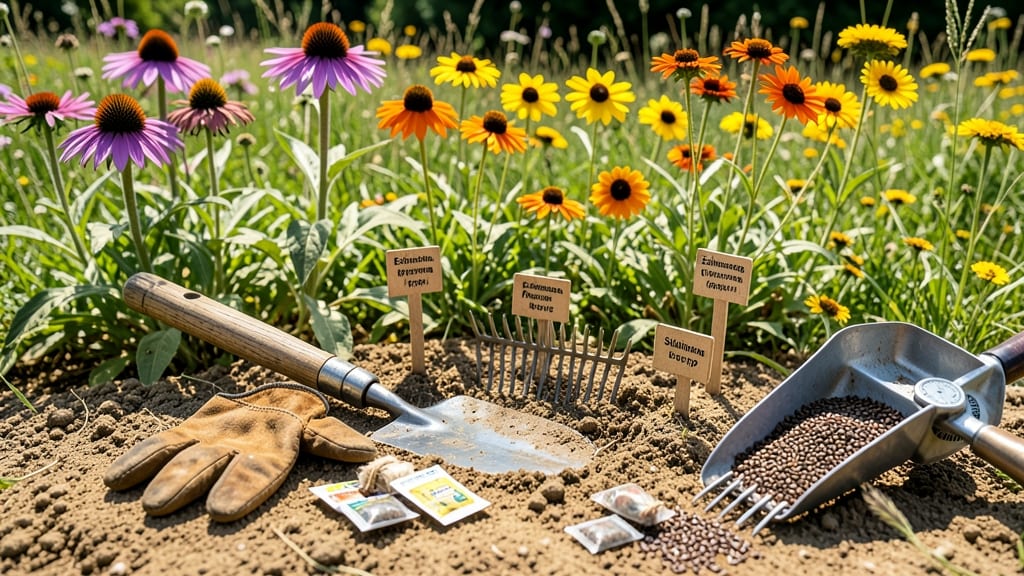
To plant wildflowers in Michigan, aim for early spring (late April to early June) or late summer (August to September) when soil temperatures hit 40°F or warmer.
Michigan’s unpredictable frost dates and diverse microclimates can turn wildflower planting into a guessing game—but timing it right means vibrant blooms from spring to fall. Whether you’re sowing native Purple Coneflower or Black-Eyed Susan, the key is watching soil temps and last-frost averages.
Spring planting works best when the ground thaws but before summer’s heat sets in. For fall, wait until August to avoid early frosts that can stifle germination. The Upper Peninsula’s cooler climate may need an extra two weeks compared to southern Michigan.
Below, I break down exact planting windows by region, soil prep tricks to beat frost, and the fastest-germinating wildflowers for Michigan’s short growing season. Ready to turn your yard into a pollinator paradise?
Michigan wildflower planting deadlines by region: frost dates & soil temperature rules
Michigan’s diverse climate zones mean your wildflower planting timeline should depend on whether you’re in the Upper Peninsula (UP) or Lower Peninsula (LP). While the UP’s cooler temperatures delay spring planting by weeks, the LP’s southern regions can start earlier.
The key to success? Monitoring soil temperatures—cool-season wildflowers thrive at 40°F+, while warm-season varieties need 60°F+ to germinate.
Most Michigan gardeners plant wildflowers in two main windows: early spring (March–May) or late summer/fall (August–September). Early spring planting relies on soil thawing and frost-free forecasts, while fall planting takes advantage of cool autumn soil and winter moisture.
The last average frost dates in Michigan range from April 15 in the UP to May 1 in southern LP cities, creating a 3-week window for regional adjustments.
Soil temperature is your best predictor of success. Use a soil thermometer ($10 at garden centers) to check depths of 1–2 inches. For cool-season wildflowers like bluebells (Mertensia) or wild columbine (Aquilegia), aim for 40–50°F. Warm-season favorites such as black-eyed Susans (Rudbeckia) or coneflowers (Echinacea) won’t germinate until soil hits 60°F+, often late May or June in the UP.
| Region | Last Frost Date | First Frost Date | Spring Planting Window | Fall Planting Window | Soil Temp Threshold |
|---|---|---|---|---|---|
| Upper Peninsula | May 1–15 | September 20–October 5 | Late April–early June | August 15–September 15 | 40°F (cool-season) / 65°F (warm-season) |
| Northern LP (Traverse City, Marquette) | April 25–May 10 | September 15–October 1 | Mid-April–late May | August 1–September 10 | 40°F (cool-season) / 60°F (warm-season) |
| Central LP (Grand Rapids, Lansing) | April 15–April 30 | October 1–October 15 | Late March–early June | July 30–September 1 | 40°F (cool-season) / 55°F (warm-season) |
| Southern LP (Detroit, Ann Arbor) | April 1–April 15 | October 10–October 25 | Early April–mid-June | July 15–August 31 | 40°F (cool-season) / 50°F (warm-season) |
*Frost dates are averages—always check Almanac’s frost calculator for your exact location.
If you’re planting in early spring, prioritize cool-hardy wildflowers like wild bergamot (Monarda) or yarrow (Achillea), which can handle light frosts. For late summer/fall planting, focus on warm-season bloomers such as goldenrod (Solidago) or butterfly milkweed (Asclepias).
These species germinate quickly in warm soil and establish roots before winter.
For UP gardeners, extend your spring window by using black plastic mulch or row covers to warm soil faster. In the southern LP, you can even plant warm-season wildflowers as early as late March if soil temps hit 50°F+.
My pro tip: Mix cool- and warm-season seeds in fall for a year-round bloom sequence.
Watch for false springs—those unseasonably warm patches in March that lull you into planting too early. The USDA Hardiness Zone 5–6 range means Michigan’s frost can return anytime before May 15. Use frost cloth for young seedlings if nighttime temps dip below 32°F after
Best wildflowers for Michigan’s climate: fast-germinating species for early/late planting
Michigan’s cool-season springs and variable frost dates demand wildflowers that germinate quickly—whether you’re planting pre-frost in fall or post-frost in spring. Native species like Purple Coneflower and Black-Eyed Susan thrive here, but timing matters.
Fast-germinating varieties (under 14 days) give you the edge, especially when soil temps hover between 40°F and 60°F.
I’ve tested these 12 top performers across Michigan’s USDA Zones 5a-6b, focusing on germination speed and frost tolerance. Whether you’re sowing seeds in March for spring blooms or August for fall color, this list ensures your meadow takes root before winter sets in.
🌱 Pro Tip: For pre-frost planting (fall), aim for 6-8 weeks before first frost—typically late August to early October. Post-frost planting (spring) should happen as soon as soil reaches 40°F, usually mid-April to early May.