
Flowers
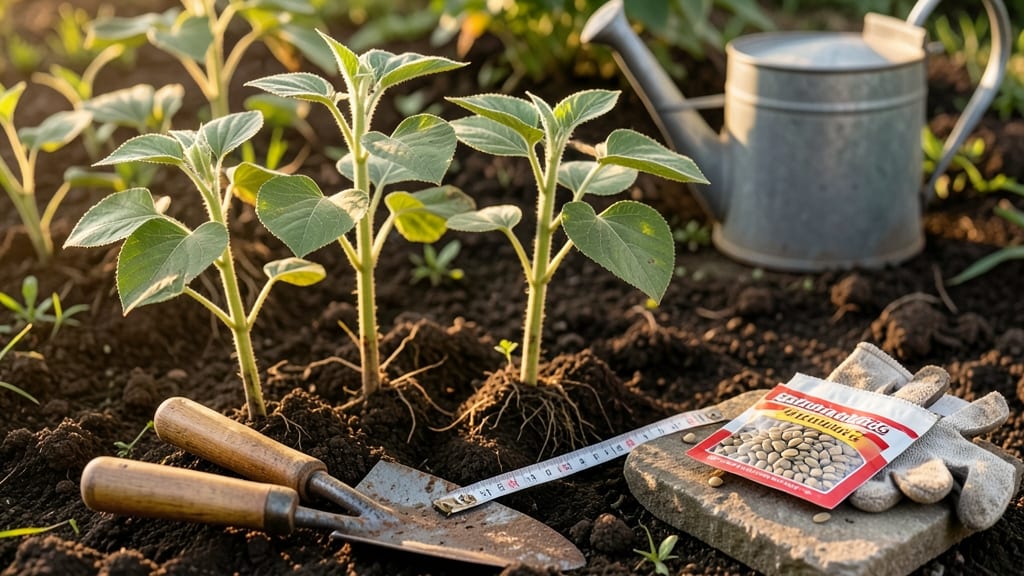
Planting sunflowers in Virginia after your last frost date—typically mid-April—sets the stage for bold summer blooms and thriving 🌻 stalks.
Miss that window, and you risk frost damage or stunted growth from late-season heat. Get it right, though, and you’ll enjoy towering varieties that attract pollinators and add sunlit drama to your garden.
Virginia’s 6a-8a zones mean planting windows shift from coastal areas to the Blue Ridge Mountains. Whether you’re aiming for early summer blooms or fall harvests, timing soil temperature and frost-free deadlines is the key.
Below, I break down the exact dates, soil triggers, and regional adjustments to ensure your sunflowers grow strong and tall—no guesswork required.
Virginia sunflower planting dates by region: frost-free deadlines & last frost averages
Virginia’s diverse climate zones—from the Coastal Plain to the Blue Ridge Mountains—create wildly different frost-free windows for sunflowers. Planting too early risks frost damage, while delaying past June may stress plants before Virginia’s first frost.
Let’s break down your region’s last frost averages and ideal planting windows for summer and fall blooms.
Sunflowers thrive in Virginia’s USDA zones 5b–8a, but microclimates matter. Coastal areas (like Norfolk) have later frosts than mountain regions (like Roanoke). Check your county’s frost-free date—typically between April 15 and May 15—to time your planting for 60°F+ soil, the sweet spot for germination.
Here’s your region-by-region planting guide, including frost-free deadlines and county-specific adjustments for Virginia’s five key climate zones:
For Coastal Virginia, aim to plant by June 15 to avoid summer’s oppressive heat. In the Piedmont, where frost lingers slightly longer, late May is ideal for summer varieties.
Mountain regions like the Blue Ridge have shorter growing seasons, so early June is your cutoff for full-size sunflowers.
Need fall blooms? Plant late July to early August in all regions—just ensure seeds germinate before September 1, when nights cool. Succession planting every 2 weeks extends your bloom time from July to October.
Pro tip: Use black plastic mulch in cooler zones (like the Shenandoah Valley) to warm soil faster. In Coastal areas, prioritize shade cloth for seedlings to prevent heat stress during July’s 90°F+ days.
Check your county’s local frost data via the Virginia State Climate Office or Almanac’s Frost/Freeze Calculator. Adjust planting dates 1–2 weeks later if your area had an early spring frost.
Soil temperature & sunflower germination: when to plant for fastest growth in Virginia
Sunflowers thrive when planted in warm soil, but Virginia’s spring temperature swings can confuse even experienced gardeners. The key to fast germination lies in soil warmth—not air temperature. While 50°F soil triggers germination, 60°F+ soil ensures rapid growth.
In Virginia’s USDA zones 6b-8a, this typically aligns with mid-April to early May for most regions, but raised beds warm faster than in-ground soil.
Testing soil temperature is simpler than you think. A soil thermometer ($10 at garden centers) gives precise readings, but you can also use DIY methods like the moisture test: Press your finger 1 inch deep—if the soil feels warm and crumbly, it’s ready.
For raised beds, soil warms 1-2 weeks earlier than in-ground plots, giving you a head start in cooler zones like the Blue Ridge Mountains.
If you’re planting in raised beds, aim for late April in most of Virginia. The beds’ darker soil absorbs heat faster, creating a microclimate that’s 2–5°F warmer than in-ground plots.
For in-ground planting, wait until early May in cooler zones like the Shenandoah Valley or Coastal Plain, where soils stay damp longer. Pro tip: Use black plastic mulch to warm soil by 5–10°F in just days.
Don’t rely solely on calendar dates—soil temperature varies yearly. For example, 2023’s late frost in Richmond delayed ideal planting until May 10, while 2022’s warm spring allowed planting by April 20.
Check your local Virginia Cooperative Extension reports for real-time updates. Even a 5°F drop can stall germination, so monitor closely.
For fall-planted sunflowers (a great option for late-summer varieties like ‘Autumn Beauty’), aim for July 15–August 1. Soil temps stay above 60°F until mid-September in most of Virginia, giving seeds time to sprout before cooler weather sets in.
Just avoid planting after August 15 in zones 6b and colder, as frost risk increases.
Remember: Sunflowers hate soggy soil. If your garden holds water after rain, plant in mounds or hills to improve drainage. Once sprouted, they’re drought-tolerant, but young seedlings need consistent moisture to prevent leggy growth.
Mulch with straw or wood chips to retain warmth and suppress weeds—this keeps soil temps stable for 2–3 weeks longer in spring.