
Plants
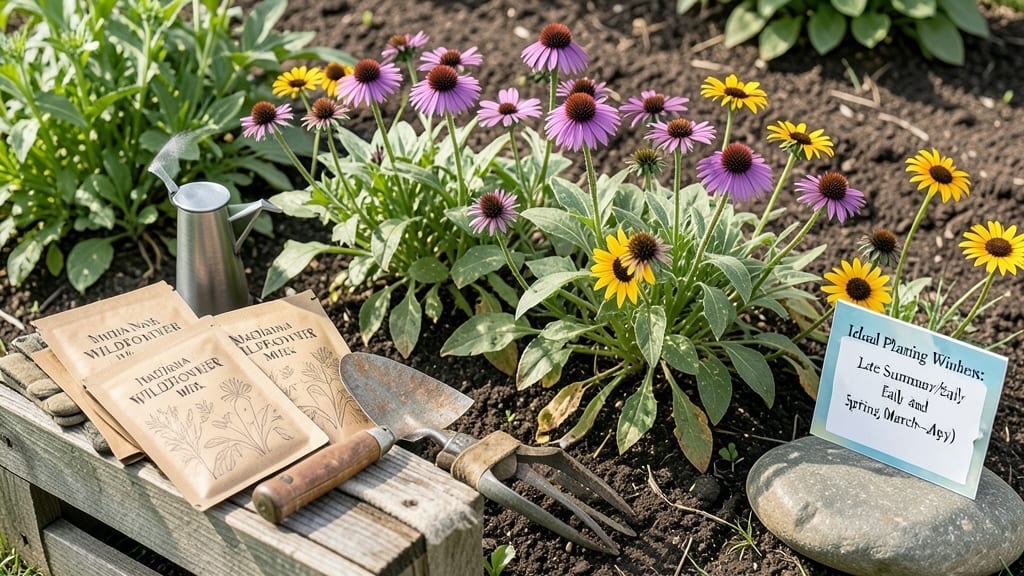
Planting wildflower seeds in Indiana at the right time ensures vibrant blooms from spring to fall 🌼 — and the best windows are early spring or late summer, depending on your species.
Indiana’s diverse climate—from humid summers to cold winters—can make or break your wildflower garden, but timing your planting right ensures a burst of color and life from spring to fall.
Whether you’re in northern Indiana’s Zone 5 or southern Zone 6, the key is planting when soil temperatures are ideal: March-April for spring bloomers or August-September for fall varieties.
Below, I’ll break down the exact months, soil prep tips, and species-specific advice to guarantee your wildflowers thrive—no guesswork, just beautiful, low-maintenance blooms all season long.
Best planting months for wildflower seeds in Indiana’s climate zones
Indiana’s USDA hardiness zones 5-7 create unique challenges for wildflower gardeners. Northern Indiana (zone 5) faces earlier frosts, while southern Indiana (zone 7) enjoys longer growing seasons. Understanding these differences helps you choose the perfect planting window for vibrant blooms year after year.
The key is planting when soil temperatures are ideal—typically 50-70°F—and avoiding extreme heat or frost.
Most wildflowers thrive when planted during two main windows: early spring (March-April) or late summer/early fall (August-September). Spring planting gives annuals a head start, while fall planting allows perennials to establish deep roots before winter.
For Indiana’s climate, fall planting is often superior because it reduces competition from weeds and ensures seeds germinate early in the season.
Indiana’s frost dates are critical: the last spring frost typically hits around April 15, and the first fall frost arrives by October 15. Planting too early in spring risks frost damage, while planting too late in fall may leave seeds vulnerable to winter conditions. Adjust your timing based on whether you’re growing annuals (fast bloomers) or perennials (long-term garden stars).
| Zone | Best Planting Window | Soil Temp Requirement | Seed Type | Notes |
|---|---|---|---|---|
| Zone 5 (Northern IN) | Late April–early May or August–September | 50–60°F (spring) / 60–70°F (fall) | Annuals & Perennials | Wait for frost danger to pass; fall planting preferred. |
| Zone 6 (Central IN) | March–April or August–early October | 55–65°F (spring) / 65–75°F (fall) | Annuals & Perennials | Soil warms faster; spring planting possible earlier. |
| Zone 7 (Southern IN) | February–March or September–October | 60–70°F (spring) / 70–80°F (fall) | Perennials (best) / Annuals (late) | Longer growing season; avoid extreme summer heat. |
For annual wildflowers, like cosmos or zinnias, early spring planting (March-April) is ideal. These fast-growing species bloom quickly and complete their life cycle before winter. Scatter seeds directly into the soil after the last frost date, and they’ll reward you with summer-long color.
Annuals are perfect for quick impact gardens or areas where you want seasonal variety.
Perennial wildflowers, such as black-eyed Susans or coneflowers, benefit most from fall planting (August-September). Planting in late summer gives seeds time to germinate and develop roots before winter dormancy.
This strategy helps perennials establish deeper root systems, making them hardier and longer-lived. In Indiana’s climate, fall-planted perennials often bloom earlier and more vigorously than spring-planted ones.
If you’re unsure about timing, consider stratification or scarification for tough seed coats. Many wildflower seeds, like milkweed or butterfly weed, require a cold period to break dormancy. You can simulate this by mixing seeds with moist sand and refrigerating them for 4-6 weeks before planting.
This trick works especially well for fall planting and ensures better germination rates.
Indiana’s humid summers can also affect seed viability. If planting in late summer, choose shade-tolerant species like bee balm or goldenrod to avoid stress from intense heat. Always water lightly after planting to help seeds settle into the soil, but avoid overwatering, which can cause seeds to rot.
A light mulch layer (like straw) helps retain moisture and regulate soil temperature.
For northern Indiana gardeners (zone 5), focus on late August to early September planting to avoid early frosts. In southern Indiana (zone 7), you can extend planting into early October, but stop by mid-October to allow seeds time to establish before winter.
Always monitor local weather forecasts, as unpredictable temperature swings can disrupt germination.
Pro tip: Mark your planting dates on a garden calendar to track progress. Include notes on soil conditions, rainfall, and any adjustments you make for future reference. Over time, you’ll refine your timing to match your local microclimate, ensuring healthier wildflowers and more reliable blooms every season.
With the right timing, your Indiana wildflower garden will thrive, attracting pollinators and adding seasonal beauty with minimal effort. Start small, experiment with different planting windows, and enjoy the rewards of a well-timed wildflower meadow! 🌼
How Indiana’s weather affects wildflower seed germination success
Indiana’s unpredictable weather—from sudden spring freezes to summer droughts—can dramatically impact your wildflower seeds' ability to germinate and thrive. Soil temperature is the #1 factor: most wildflower seeds need 50-70°F soil temps to sprout successfully.
In northern Indiana’s Zone 5, this typically means waiting until mid-April after the last frost, while southern Zone 6 gardeners can plant as early as late March.
The timing also depends on your wildflower mix. Annuals like cosmos germinate quickly in warm soil, while perennials like coneflowers may need cooler fall temperatures to establish strong roots before winter.
Rainfall patterns matter too—Indiana averages 40 inches annually, but droughts in July-August can stress young seedlings if not watered consistently.
⚠️ Critical Warning: Avoid Planting During These Conditions
Heavy clay soils in Indiana (common in northern areas) can suffocate seeds. Amend with compost or sand before planting. Spring rains may wash seeds away—press them lightly into soil or use a starter fertilizer to encourage root growth.
Never plant when frost is forecast within 7-10 days—young seedlings won’t survive. Check the National Weather Service for your local frost dates.
Adjust your planting schedule if your area is drought-prone. Southern Indiana’s Zone 6 often faces dry spells in late summer—plant fall-blooming species like black-eyed Susans in August for a head start before winter rains arrive. For northern gardens, focus on spring planting (April-May) to avoid autumn’s early frosts.
Heavy clay soils in Indiana (especially in Zone 5) can trap moisture and suffocate seeds.
Before planting, loosen the top 2-3 inches of soil and mix in 1 inch of compost to improve drainage. Raised beds work wonders in clay-heavy areas, giving seeds the well-draining environment they need to germinate.
Monitor soil moisture closely after planting. Indiana’s humid summers can lead to fungal issues if seeds are kept too wet. Water lightly but frequently (every 2-3 days) until seedlings emerge, then taper to weekly deep waterings once established.
Mulch with straw or wood chips to retain moisture and regulate soil temperature.
Don’t forget about frost dates—they’re your planting clock. In Indiana, the average last frost is April 15, but northern areas can see frost as late as May 10.
For fall planting, aim for 6-8 weeks before your first frost (typically mid-September in most of the state). Use row covers if early frosts threaten young seedlings in spring.