
Flowers
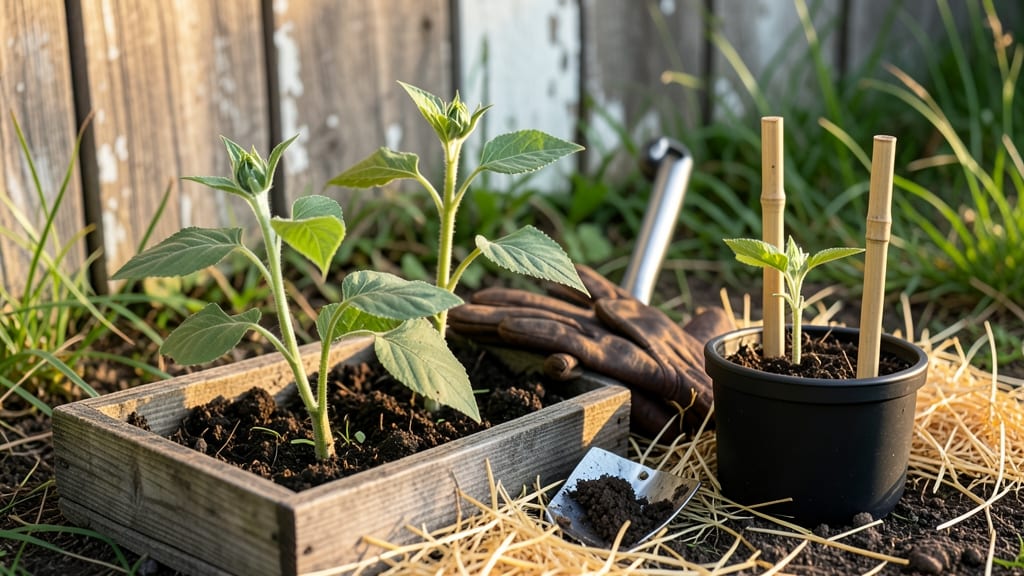
Planting sunflowers in Zone 7a after your last frost date—around mid-April to early June—sets them up for strong stems and quick blooms before summer’s heat peaks.
Picture this: you’ve waited all winter for those towering 🌻 faces to greet you, only to watch them wilt because you planted too late—or bolt before they even opened.
The good news? Timing is everything, and in Zone 7a, a two-week window can mean the difference between a garden showstopper and a sad, stunted plant.
Why does this matter? Sunflowers are fast growers, but they need warmth to thrive—and in Zone 7a, cool springs or early frosts can derail their progress. Get it right, and you’ll enjoy blooms from late summer through fall, with minimal fuss.
In this guide, I’ll break down the exact planting window, soil prep tips, and how to adjust for giant vs. dwarf varieties so you can grow sunflowers with confidence—no guesswork, just vibrant blooms.
Best planting windows for sunflowers in Zone 7a: soil temps, frost dates & more
Sunflowers in Zone 7a love warmth but hate surprises—like a late frost or soggy soil. The key to success lies in timing your planting to match soil temperatures and last frost dates, which typically range from March 15 to April 15 in this zone.
Plant too early, and tender seedlings may bolt or rot; too late, and you’ll miss the 70-120-day growth window needed for full maturity. Let’s break down the perfect windows to ensure your sunflowers reach their 3-14-foot potential without stress.
First, focus on soil temperature—sunflower seeds need consistent warmth above 55°F to sprout reliably. In Zone 7a, this usually aligns with mid-April to early May, but always check with a soil thermometer.
Cold, damp soil can trigger fungal diseases like damping-off, which kills seedlings before they even open their first leaves. Pro tip: Use a black plastic mulch to warm the soil faster if your spring is slow to heat up.
Here’s the golden planting window for most sunflower varieties in Zone 7a, tailored to avoid frost damage and maximize bloom time:
For tall sunflowers like ‘Mammoth’ or ‘Russian Giant’, aim for the mid-April to early May window. These varieties need 120+ days to mature, so planting earlier ensures they reach their full 10-14-foot height before the first frost in mid-October.
If you’re growing dwarf varieties like ‘Teddy Bear’ or ‘Pocket Sun’, late May to early June works perfectly—these bloom in just 50-60 days, making them great for containers or small gardens.
Don’t overlook succession planting! In Zone 7a, you can squeeze in a second planting of fast-maturing varieties in early July. This extends your bloom time well into September or October, giving pollinators like bees a late-season feast.
Just be sure to choose short-day varieties, which won’t bolt prematurely in the long daylight of summer. Pro tip: Mark your calendar for July 1st—this is your last chance for a reliable harvest before frost.
Watch for soil moisture after planting, especially in Zone 7a’s humid summers. While sunflowers are drought-tolerant once established, seedlings need consistent moisture to avoid wilting. Water deeply once a week (or more in heatwaves) and avoid overhead sprinkling to prevent powdery mildew, a common fungal issue in sunflowers.
Mulch around the base with straw or grass clippings to retain moisture and keep roots cool.
If you’re worried about late frosts (which can still sneak in after April 15), use frost cloth or a mini greenhouse to protect young seedlings. These low-cost tools can buy you 2-3 extra weeks of growing time, giving your sunflowers a head start.
For extra insurance, plant near warm structures like brick walls or fences, where heat radiates and speeds up soil warming. Even a 5°F difference can mean the difference between a thriving plant and a failed crop.
Finally, pay attention to sunflower maturity zones when selecting seeds. Zone 7a’s 180 frost-free days limit your options for very tall varieties, but most standard and dwarf types thrive here.
Avoid northern varieties designed for shorter seasons—they’ll struggle to mature in time. Stick to southern or mid-latitude breeds, and you’ll enjoy bold, healthy blooms from summer through fall.
With the right timing, your Zone 7a sunflowers will reward you with vibrant color, bird-friendly seeds, and even edible blooms. Start with the mid-April window, monitor your soil temps, and don’t hesitate to succession plant in July for a second harvest.
Soon, your garden will be a sunflower paradise—just in time for golden autumn days. 🌻
How to adjust planting time for giant vs. dwarf sunflowers in Zone 7a
Sunflowers come in all sizes, from dwarf varieties like ‘Teddy Bear’ (1-3 ft) to giant ‘Mammoth’ types (10-14 ft), and each needs slightly different timing in Zone 7a to reach its full potential.
The key difference? Tall varieties need earlier starts to mature before frost, while dwarf types tolerate later plantings and even succession sowing for continuous blooms.
For giant sunflowers like ‘Mammoth’, aim to plant seeds 2-3 weeks after your last frost date (mid-April) to ensure they reach maturity before Zone 7a’s first frost (mid-October).
These varieties typically need 90-120 days to bloom, so timing is critical. Dwarf sunflowers like ‘Teddy Bear’, on the other hand, mature in just 50-60 days, giving you flexibility for late spring or even early summer plantings.
Giant Sunflowers (e.g., 'Mammoth')
Pros
- Earlier blooms with proper timing
- Taller stems for dramatic garden impact
- Longer vase life for cut flowers
Cons
- Narrow planting window (April-May)
- Requires staking for tall varieties
- More susceptible to wind damage
Dwarf Sunflowters (e.g., 'Teddy Bear')
Pros
- Flexible planting (April-July)
- Perfect for containers and small spaces
- Faster blooms (50-60 days)
Cons
- Shorter vase life than giants
- Less dramatic height for focal points
- May need protection from heavy rain
To extend your Zone 7a sunflower season, try succession planting every 2 weeks from April through June. This works especially well for dwarf varieties, giving you continuous blooms from summer through early fall.
For giant sunflowers, consider using black plastic mulch to warm soil early and row covers to protect young plants from late frosts.
For late-season extensions, plant dwarf sunflowers in early July—they’ll bloom just as summer cools down.
Just remember: giant varieties planted after June likely won’t mature before frost. Test soil temps (aim for 55°F+) and monitor moisture levels closely, as both dwarf and giant types need consistent watering during their critical growth phases.
Pro tip: Mark your calendar for Zone 7a’s 120-day countdown from your planting date. This helps ensure giant sunflowers finish before frost. For dwarf varieties, a 90-day countdown works better. Adjust based on your specific variety’s maturity rating—always check the seed packet!
With the right timing, you’ll enjoy sunflowers blooming from June through October in Zone 7a. The key is matching plant size to planting window—giants get the early start, while dwarfs play catch-up all season long. Happy planting! 🌻