
Flowers
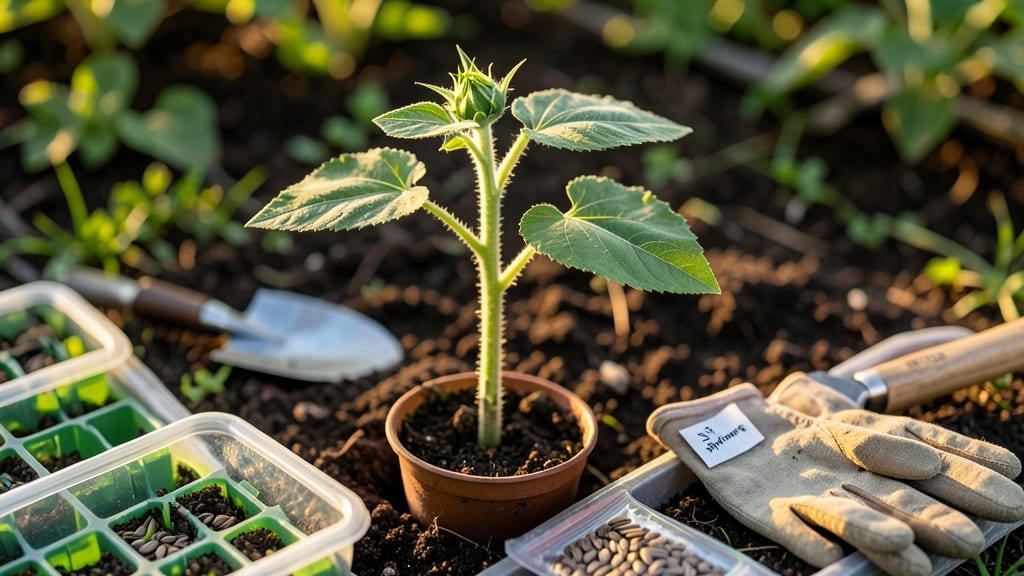
To plant sunflowers in Oklahoma, aim for mid-April to early July after the last frost, when soil temperatures hit 55°F or warmer.
You’ve probably heard sunflowers are easy to grow, but in Oklahoma’s 6b-8a zones, timing is everything. Plant too early, and a late frost will nip young sprouts. Too late, and summer’s brutal heat can stunt growth before blooms appear.
This guide breaks down the best planting windows for your specific zone, whether you’re direct-sowing seeds or transplanting starts. We’ll also cover how to beat Oklahoma’s heat with shade strategies and heat-resistant varieties like 'Moulin Rouge'.
By the end, you’ll know exactly when to plant for fast blooms, how to space seeds for full growth, and how to protect your sunflowers from Oklahoma’s biggest threats—like hail and hungry critters.
Best planting dates for sunflowers by Oklahoma growing Zone
Oklahoma’s diverse climate—spanning USDA Zones 6b, 7a, and 7b—means your sunflower planting schedule should align with local frost risks and soil warmth. Zone 6b gardeners face earlier frosts, while Zone 7b enjoys longer growing seasons.
I’ll break down the ideal windows for each zone, including soil temperature triggers and frost-free deadlines to ensure your sunflowers thrive from seed to bloom.
For all Oklahoma zones, soil temperature is your best guide: wait until the ground reaches 55°F (13°C) at least 1 inch deep. This typically happens 2-3 weeks after your last frost date.
In Zone 6b, this could be as early as mid-April, while Zone 7b may see safe planting by late March. Always check your local frost forecast—a late freeze can devastate young seedlings.
Here’s a quick reference for Oklahoma’s three growing zones, including direct sowing vs. transplanting considerations and bloom timing:
| Zone | Last Frost Date | Best Planting Window | Soil Temp Requirement | Bloom Time | Notes |
|---|---|---|---|---|---|
| 6b | Mid-April | Mid-April to early May | 55°F (13°C) | July-August | Shortest season; prioritize early-maturing varieties like 'Teddy Bear' |
| 7a | Late March | Late March to mid-June | 55°F (13°C) | June-September | Longest window; perfect for succession planting |
| 7b | Early March | Early March to early July | 55°F (13°C) | May-October | Can plant fall varieties for late-season blooms |
While direct sowing is the standard method for sunflowers (they hate transplant shock), you can start seeds indoors 4-6 weeks before your last frost if you’re eager to get a head start. Use biodegradable pots to avoid root disturbance when moving seedlings outdoors.
For Zone 6b, this means starting seeds by early March, while Zone 7b gardeners can begin as early as February.
Sunflowers are fast growers, but Oklahoma’s summer heat can stress young plants. In Zone 7a and 7b, consider planting shade cloth over seedlings until they reach 6 inches tall.
This protects them from intense afternoon sun while they establish roots. Once established, sunflowers are drought-tolerant, but consistent moisture during flowering will give you larger, showier blooms.
For fall planting, only Zone 7b gardeners can attempt it. Sow seeds by early July for late-season blooms that may survive until first frost in October. Choose short-day varieties like 'Autumn Beauty'—they’ll bloom later in the season when daylight shortens.
In Zone 6b and 7a, fall planting is risky due to early frosts, but you can try container-growing to extend the season.
Pro tip: Use a soil thermometer to monitor ground temperature. Sunflower seeds won’t germinate below 50°F (10°C), and soil that’s too cold will delay sprouting. If your soil is slow to warm, try black plastic mulch to absorb heat and speed up germination.
This is especially helpful in Zone 6b, where spring soils can linger on the cool side.
Remember, Oklahoma’s wind patterns can also affect planting. If you’re in a windy area, plant seeds 1 inch deeper (up to 2 inches) to anchor them better.
For tall varieties (8+ feet), consider staking or caging plants before they get too top-heavy—especially in Zone 7b, where summer storms are common.
Your sunflowers will reward you with vibrant blooms and even edible seeds if you time your planting right. Start with the zone-specific windows above, and don’t forget to thin seedlings to 12-24 inches apart once they’re a few inches tall.
This gives them room to grow into those iconic Oklahoma sunflower giants! 🌻
How to extend sunflower season in Oklahoma’s heat
Oklahoma’s summer heat can turn sunflower gardens from vibrant to wilted in days—but with the right strategies, you can keep your sunflowers thriving even when temperatures hit 90°F+. The key is combining heat-resistant varieties, smart watering, and shade protection for young plants.
I’ve grown sunflowers here for years, and these methods have kept my Autumn Beauty and Moulin Rouge varieties blooming well into October.
First, focus on succession planting to stagger blooms. Plant short-season varieties like 'Teddy Bear' every 2 weeks from May through July. This ensures you’ll always have fresh blooms while avoiding the peak heat stress on all plants at once. Pair this with heat-tolerant varieties that handle Oklahoma’s climate like champs.
Plant heat-resistant varieties like 'Moulin Rouge' or 'Autumn Beauty'—these thrive in 90°F+ temperatures and bloom later in the season.
Use shade cloth (30-50%) for young seedlings to protect them from intense afternoon sun while still allowing 6+ hours of morning light.
Water deeply in the morning (1-2 gallons per plant) to encourage deep root growth—this helps them access moisture during heatwaves.
Apply a 2-inch layer of mulch (straw or wood chips) to retain soil moisture and regulate temperature around roots.
Fertilize with low-nitrogen, high-phosphorus (5-10-10) when plants are 6-12 inches tall to boost flowering in heat.
For young seedlings, I swear by shade cloth during Oklahoma’s brutal afternoon sun (2 PM–6 PM). A 30-50% shade cloth reduces heat stress while still allowing enough light for growth.
Remove it once seedlings are 4-6 inches tall and hardened off. Pair this with drip irrigation to deliver water directly to roots, minimizing evaporation.
Don’t forget about succession planting—this is my secret weapon for non-stop blooms. Plant a new batch of 'Teddy Bear' sunflowers every 2 weeks from May through July. This ensures you’ll have fresh flowers even as older plants mature.
For fall blooms, try planting 'Autumn Beauty' in early August—it thrives in cooler temps and often blooms by October.
If you’re dealing with extreme heatwaves (100°F+), give your sunflowers a midday break. Use a lightweight row cover or even a white umbrella to shield them from the worst of the sun.
Always water before 10 AM to prevent fungal issues from evening moisture. With these tricks, my sunflowers have bloomed well into November—proving Oklahoma’s heat doesn’t have to stop your sunflower dreams!
🌻