
Flowers
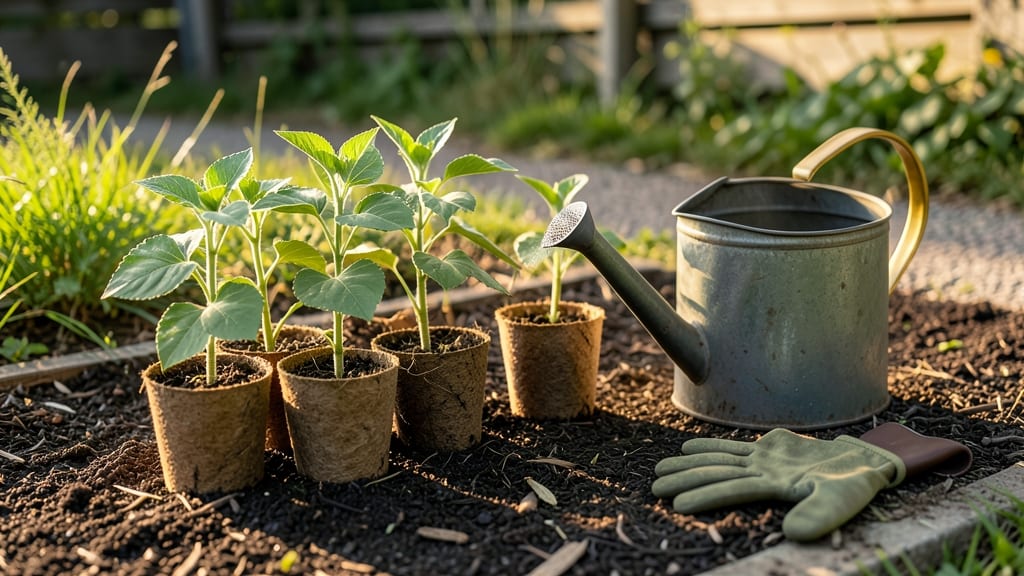
Planting sunflowers in Phoenix during November through February lets them mature before the scorching summer heat arrives — the key to avoiding crispy stems and wilted dreams.
Phoenix’s brutal summer heat can turn sunflower dreams into wilting disappointments, but timing your planting just right ensures towering, vibrant blooms instead of crispy stems.
This isn’t just about avoiding the heat—it’s about giving your 🌻 sunflowers the perfect head start. Those first 60 days of growth matter most, and cooler winter temperatures let them establish strong roots before the real challenge begins.
Inside, I’ll walk you through the exact months to plant, how to prep soil for desert conditions, and which sunflower varieties handle Phoenix’s late-spring heat the best.
Best planting windows for sunflowers in Phoenix’s desert climate
Phoenix’s desert climate presents unique challenges for growing sunflowers, but with the right timing, you can cultivate stunning 10-foot giants even in USDA Zone 9b. The key is avoiding the scorching summer heat (100°F+ temperatures) that can stress young plants.
Unlike northern climates, Phoenix’s frost-free year-round conditions mean we focus on heat avoidance rather than frost dates.
Sunflowers thrive when soil temperatures stay between 55°F and 85°F, making winter and early spring the ideal planting windows. Direct sowing in November through February ensures seedlings establish roots before the heat ramps up.
For transplanting, aim for October or March to give plants a head start while minimizing transplant shock.
Here’s a quick reference for Phoenix’s optimal planting windows, including temperature ranges and microclimate considerations:
Phoenix’s microclimates play a huge role in success. Urban areas like Downtown Phoenix experience heat islands with temperatures 5–10°F hotter than suburban areas. If you’re in a high-heat zone, opt for shorter varieties (3–6 ft) or use shade cloth (30–50%) during the hottest afternoon hours.
Elevated areas like North Phoenix cool down faster at night, making them ideal for late-winter plantings.
Direct sowing is always preferred for sunflowers because they have delicate taproots that transplant poorly. However, if you’re starting seeds indoors, transplant 4–6 weeks before your target outdoor date (e.g., transplant in late February for a March outdoor move).
Harden off seedlings gradually to prevent shock from Phoenix’s low humidity and intense sunlight.
Temperature spikes above 90°F can cause bolting (rapid flowering) or heat stress, leading to smaller blooms. Monitor your garden’s soil moisture closely—sunflowers in Phoenix need deep watering (2 gallons per plant) every 5–7 days during their first month.
Mulch with 2–3 inches of straw to retain moisture and regulate soil temperature.
For container growing, choose large pots (15+ gallons) with drainage holes and use a lightweight potting mix amended with perlite. Containers heat up faster than ground soil, so move pots to shadier spots during 11 AM–3 PM in April–May.
Dwarf varieties like ‘Teddy Bear’ (3–4 ft) are perfect for containers and tolerate Phoenix’s heat slightly better than standard types.
Pro tip: Plant sunflowers near windbreaks (like mesquite trees or agave hedges) to reduce transplant shock and evaporative stress. The root zone stays cooler, and humidity levels rise slightly, giving seedlings a better chance.
Avoid planting near pavement or blacktop, as these surfaces radiate heat and can scorch young leaves.
With the right timing and a few heat-mitigation tricks, you’ll enjoy vibrant sunflower blooms from April through June, just as the monsoon rains begin to cool things down. The secret? Plant early, water deeply, and shield from the worst of the sun. 🌻
How to extend sunflower growing season in Phoenix’s extreme heat
Once your sunflowers sprout in Phoenix’s mild winter, the real challenge begins: protecting them from the 110°F+ heat that arrives by May. The key is creating a cool microclimate around young plants while preparing them for gradual heat exposure.
I’ve learned that shade cloth, soil insulation, and strategic watering can push your sunflowers’ growing season by 4-6 weeks without risking bolting or scorching. These tactics let you plant as late as late February while still getting summer blooms.
- 1 Soil Prep (2 Weeks Before Planting): Mix 3 inches of compost and 1 inch of perlite into native soil to improve drainage and moisture retention.
- 2 Shade Cloth Installation (Seedling Stage): Use 30% shade cloth for first 4 weeks, then reduce to 15% cloth for next 4 weeks to harden off plants.
- 3 Watering Schedule (Critical Phase): Water deeply every 3 days at soil level (not leaves) until plants reach 12 inches tall, then transition to every 5 days.
- 4 Mulch Application (Heat Shield): Apply 4-inch layer of straw mulch around stems (not touching leaves) when plants hit 6 inches tall to keep roots 10°F cooler.
- 5 Heat Acclimation (Final Phase): Remove shade cloth completely by April 15 and increase watering to every 7 days to prepare plants for full desert sun.
My biggest mistake was skipping the shade cloth—young sunflowers can bolt (flower prematurely) when exposed to 90°F+ days too soon. I now use white shade cloth (reflects more heat) and secure it with U-clips to prevent flapping in desert winds.
For soil preparation, never use fresh manure—it heats up and can cook roots. Instead, blend coco coir and vermiculite (50/50 mix) into your planting holes. This combo holds 30% more moisture than native soil while preventing compaction.
Watering at the right time is just as critical as how much you water. I set my timer for 5 AM to avoid evening watering, which promotes fungal diseases in Phoenix’s high humidity nights. A drip irrigation system with 0.5 GPH emitters delivers water exactly where roots need it.
With these tactics, I’ve successfully grown 12-foot sunflowers from late-February plantings—proof that Phoenix’s heat doesn’t have to stop your sunflower dreams! The secret is patiently extending their growing season while preparing them for the inevitable summer heat. 🌻