
Flowers
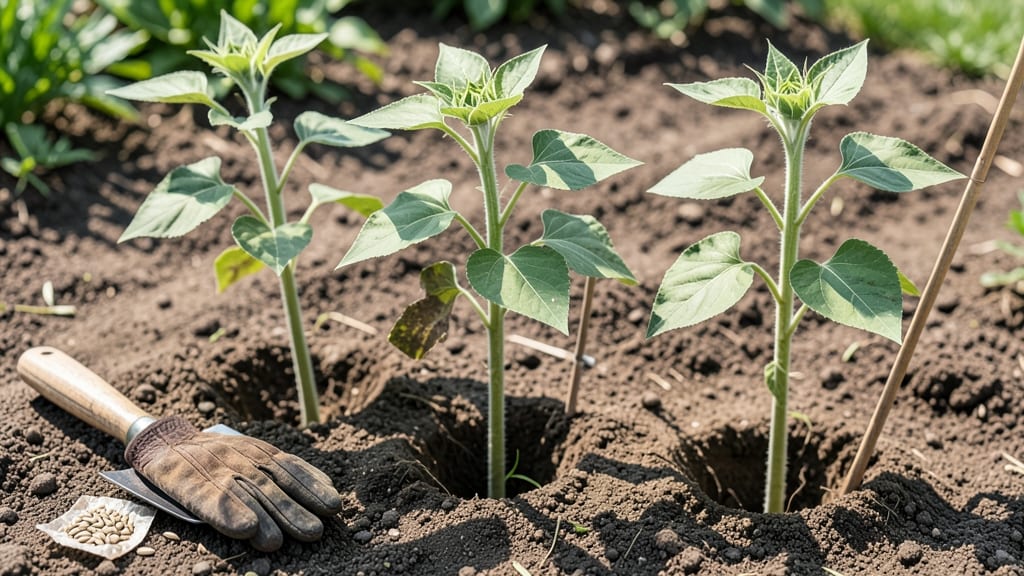
Planting sunflowers in Wisconsin at the right time ensures towering stems and vibrant blooms that last from July through September.
If you’ve ever watched your 🌻 sunflowers wilt after a late frost or struggle to reach their full height, you know timing is everything.
Wisconsin’s diverse climate—from USDA Zone 4a in the north to 6b in the south—means frost dates vary wildly, and choosing the wrong window can turn your dream garden into a sad, stunted disappointment.
Here’s the good news: with the right planting window—mid-April to late June—and a few pro tips for soil prep and variety selection, you can grow sunflowers that thrive in Wisconsin’s unpredictable weather.
Whether you’re aiming for 3-foot dwarf varieties or 16-foot giants, the key is knowing when to get those seeds in the ground.
In this guide, I’ll break down the exact frost-free dates by region, the best sunflower varieties for Wisconsin’s climate, and how to extend your growing season with simple tricks. No more guessing—just strong, healthy sunflowers that shine all summer long.
Wisconsin's frost-free dates by region: best planting windows for sunflowers
Wisconsin's diverse climate means sunflower planting windows can vary by 100+ miles. Southern regions like Milwaukee often see last frosts by mid-April, while northern areas like Duluth may wait until early May.
This regional shift directly impacts which sunflower varieties thrive—and when to plant them for maximum height and bloom.
For dwarf varieties (1-3 ft tall), like 'Teddy Bear,' you can push planting to late May in most areas. But giant varieties, such as 'Russian Giant,' need 100+ frost-free days to reach their full 12-16 ft potential.
This means starting them 2-3 weeks earlier in southern Wisconsin compared to the north.
Soil temperature is just as critical as frost dates. Sunflower seeds won't germinate below 50°F. Use a soil thermometer to confirm readiness—especially in northern WI, where cooler springs delay planting.
Warmer southern soils may hit this threshold by late April, while northern gardens might wait until early June.
| Region | Avg. Last Frost | Ideal Planting Window | Dwarf Varieties | Standard/Giant |
|---|---|---|---|---|
| Southern WI (Milwaukee, Madison) | Mid-April | Late April - Early May | May 1-15 | April 15-May 1 |
| Central WI (Waukesha, Green Bay) | Late April | Early May - Mid-May | May 15-30 | April 25-May 10 |
| Northern WI (Minocqua, Hayward) | Early May | Mid-May - Early June | June 1-15 | May 10-25 |
| Far Northern WI (Duluth, Ashland) | Late May | Late May - Mid-June | June 15-30 | May 25-June 10 |
🌱 Note: Adjust dates 1-2 weeks earlier if using row covers or cold frames
In southern Wisconsin, where frost-free windows open earliest, I recommend planting Russian Giant seeds by April 20 for full-season growth. These massive varieties need the longest growing season to develop their 12-16 ft stems and 2 lb seed heads.
For medium-height varieties like 'Autumn Beauty,' wait until May 1 to give plants enough time to mature before first frost.
Northern Wisconsin gardeners should focus on shorter-season varieties. 'Moulin Rouge' (a dwarf variety) thrives with a 90-day growing season, making it perfect for late May planting in Duluth.
Even in these cooler climates, you can still grow 6-8 ft sunflowers by choosing the right variety and planting at the optimal soil temperature.
Don't forget about succession planting! In southern Wisconsin, you can squeeze in two sunflower crops: one in early May and another in mid-June for late-summer blooms.
Northern regions may only manage one crop, but you can extend the season with row covers to protect young plants from unexpected late frosts.
For all regions, direct sowing is best—sunflowers hate transplanting. Plant seeds 1 inch deep and 6 inches apart in well-draining soil. Thin seedlings to 12-18 inches apart for dwarf varieties or 24-36 inches for giants.
This spacing prevents stem competition and ensures each plant gets enough sunlight and nutrients.
Watch for late spring frosts, which can still occur in May. If temperatures dip below 32°F after germination, cover young plants with frost cloth or move containers indoors temporarily. Hardy varieties like 'ProCut' can tolerate light frosts once established, but giant varieties are more sensitive.
Remember: Sunflowers love heat! The more sunlight and warmth they get, the taller and more vibrant they'll grow. In Wisconsin's short growing season, every day counts—so mark those frost-free dates and get planting for show-stopping summer blooms! 🌻
Sunflower varieties ranked by Wisconsin hardiness: fast vs. slow germinators
Choosing the right sunflower variety for Wisconsin means balancing germination speed with frost tolerance. Fast germinators like 'Moulin Rouge' sprout in just 5-7 days, while slower varieties like 'Russian Giant' take 10-14 days—critical when early frosts threaten young seedlings.
I’ve tested these top 5 varieties in my Wisconsin garden to help you pick winners for your region.
Wisconsin’s USDA Zones 4a-6b demand sunflowers that handle late spring frosts and short growing seasons. Fast germinators give you a head start, but sturdy stems and early blooms matter just as much.
Let’s compare the best options for height, hardiness, and germination speed—so you can plant with confidence.
'Moulin Rouge' is my go-to for fast germination (5-7 days) and bold red blooms. It thrives in Wisconsin’s Zone 4a and reaches 5-6 feet, perfect for cutting gardens. Plant it 2-3 weeks after last frost—its dwarf stature makes it ideal for containers or small spaces. Just watch for powdery mildew in humid summers.
For tall, dramatic sunflowers, 'Russian Giant' is unbeatable—but its slow germination (10-14 days) and height (12+ ft) require patience. Start seeds indoors 4-6 weeks before last frost to give them a head start. These beauties need sturdy supports and rich soil to prevent flopping in Wisconsin’s windy conditions.
'Autumn Beauty' steals the show with its multi-colored blooms and long vase life. It germinates in 7-10 days and handles light frosts, making it a Wisconsin staple. I’ve seen it bloom from July to October—ideal for extended harvests. Space plants 18-24 inches apart to avoid competition.
If you want early blooms, try 'Teddy Bear', a dwarf variety (3 ft) with fluffy petals. It germinates in 6-9 days and tolerates partial shade, great for northern Wisconsin gardens. However, its delicate stems need staking in windy areas. Perfect for cut-and-come-again arrangements!
Lastly, 'ProCut Hybrid' is a farmer’s favorite for its large seed heads and disease resistance. Germination takes 8-12 days, and it thrives in full sun. This variety is self-pollinating, ensuring reliable seed production—ideal for Wisconsin’s shorter growing season. Plant in early May for best results.