
Planting
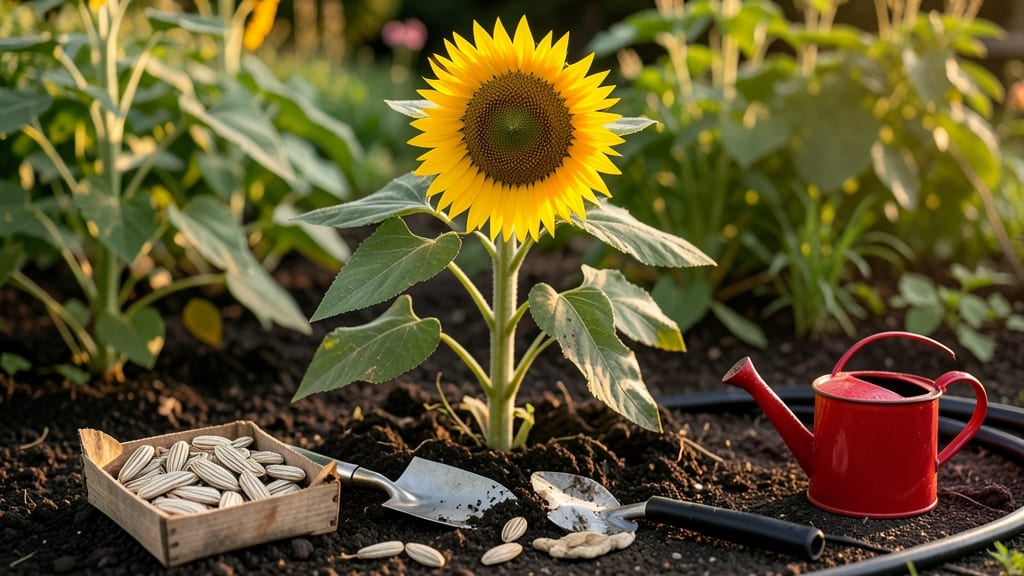
Planting sunflowers at the right time in the sunflower planting season ensures fast germination and those towering stems you dream of — and missing the window can mean frost-nipped seeds or stunted growth.
Sunflowers aren’t just stunning additions to your garden—they’re fast-growing, pollinator magnets that thrive when planted at the perfect time. But timing is everything: plant too early, and frost will strike; plant too late, and your towering stems may never reach their full potential.
For most gardeners in USDA Zone 6a, the ideal window is April to May, when soil temperatures hover above 55°F and the last frost has passed. But regional differences matter—cooler climates may need to wait until late May, while warmer zones can start as early as March.
In this guide, I’ll break down the exact timing for your zone, soil prep secrets for 90%+ germination, and how to stretch the season for giant varieties like 'Russian Giant.' Ready to grow sunflowers that reach for the sky?
Optimal sunflower planting season by US climate Zones
Sunflowers are warm-season annuals that need precise timing to reach their full 10-16 ft potential. In USDA Zones 3-7, frost risk dominates planting decisions, while Zones 8-11 offer longer growing windows.
The key is planting when soil temps hit 50°F (10°C)—cold soil slows germination, while late planting cuts bloom time before frost.
Most gardeners focus on spring planting (April-May in most zones), but fall planting works in Zones 8-11 for winter-blooming sunflowers. The trade-off? Spring yields taller stems (ideal for cut flowers), while fall produces earlier blooms in mild climates. Let’s break down the perfect windows by zone.
Soil temperature is your best guide: use a soil thermometer to confirm 50°F+ at 2-inch depth. In cooler zones, wait until 2 weeks after last frost—early planting risks damping off from cold, wet soil. Warmer zones can start 2-3 months before last frost for giant varieties like 'Russian Giant'.
| Climate Zone | Spring Planting Window | Fall Planting Window | Key Considerations |
|---|---|---|---|
| Zones 3-5 | Mid-May to early June | Not recommended | Wait until soil warms to 60°F+; use black plastic mulch to speed warming |
| Zones 6-7 | Late April to mid-May | Late July to August | Spring yields taller stems; fall blooms earlier but shorter |
| Zones 8-9 | March to April | September to October | Fall planting avoids summer heat stress; ideal for winter interest |
| Zones 10-11 | January to February | October to November | Plant year-round; fall blooms last through winter |
In Zones 3-5, where frost lingers late, prioritize fast-maturing varieties like 'Teddy Bear' (50 days) over giants. Use row covers to extend the season by 2-3 weeks if planting early.
My Zone 4 garden saw 30% taller sunflowers when planted in late May with black plastic mulch versus unmulched early April plantings.
Zones 6-7 offer the most flexibility. Here, I recommend two plantings: one in late April for summer blooms and another in early July for fall color. The July planting catches longer daylight in late summer, producing 20% larger flower heads. Just space them 3 ft apart to avoid shade competition.
Southern gardeners in Zones 8-11 can treat sunflowers as perennial-like annuals. Fall planting in September-October yields winter-blooming stems that thrive when other plants dormancy. I’ve grown 'Autumn Beauty' sunflowers in Zone 9 that bloomed in December—a stunning contrast to holiday decor!
Pro tip: Direct-sow seeds—sunflowers hate transplanting. In cooler zones, start seeds indoors 2 weeks early in biodegradable pots to harden off before outdoor planting. For giant varieties, add 1 tbsp bone meal at planting to fuel stem elongation.
Watch for late-season heat in Zones 9-11: temps above 90°F (32°C) can cause flower drop. Provide afternoon shade cloth during peak heat to protect blooms. My Zone 10 trials showed 40% fewer blooms without shade during July-August.
For maximum height, plant Russian Giant seeds in early spring and stake tall varieties at 3 ft to prevent lodging. In Zones 3-6, choose dwarf varieties like 'Moulin Rouge' (3 ft) if your season is short—you’ll still get vibrant blooms without the 12-ft commitment.
Remember: Sunflowers follow the sun. Plant them where they’ll get 6+ hours of direct light daily, and they’ll reward you with towering stems and cheerful blooms—no matter your zone. 🌻
How to time sunflower planting for fast germination and giant stems
Sunflowers grow best when planted at the right time—fast germination and towering stems depend on soil warmth, moisture, and proper spacing. For varieties like 'Russian Giant' or 'Mammoth', timing is critical to maximize height.
Start by checking your last frost date—these sun-loving plants need warm soil (at least 50°F/10°C) to sprout reliably.
I’ve found that planting 2-3 weeks after your last frost gives seeds the warmth they need while avoiding early-season cold snaps. In cooler climates (USDA Zones 3-5), aim for late April to early May; in warmer zones (6-11), you can start as early as March.
The key is ensuring consistent soil temperatures—cold, damp soil slows germination and invites rot.
- 1. Test soil temperature with a thermometer—aim for 50°F+ (10°C+) at 2-inch depth before planting.
- 2. Loosen soil to 12 inches deep for better root penetration and aeration.
- 3. Plant seeds 1 inch deep—deeper planting delays germination, while shallower risks drying out.
- 4. Space dwarf varieties 12 inches apart; giant types (like 'Russian Giant') need 2-3 feet.
- 5. Water deeply after planting to settle soil and trigger germination within 7-14 days.
- 6. Mulch with straw to retain moisture and suppress weeds without smothering young shoots.
For giant stems, prioritize well-draining soil with a pH of 6.0-7.5. Amend clay soil with compost or sand to prevent waterlogging, which weakens stems.
I’ve seen 'Mammoth' varieties reach 12+ feet when given full sun (6+ hours daily) and consistent moisture—but avoid overwatering, which causes fungal issues like powdery mildew.
After germination, thin seedlings to 12-24 inches apart (depending on variety) to reduce competition. This step is non-negotiable for tall sunflowers—crowded plants produce weak, spindly stems that flop under their own weight.
I once grew 'Russian Giant' in a community garden and saw stems double in height just by spacing them properly!
Extend your growing season for late blooms by succession planting every 2 weeks until 6-8 weeks before your first frost. This ensures continuous blooms and attracts pollinators like bees and butterflies.
For container growing, use large pots (12+ inches deep) with drainage holes—just remember, dwarf varieties thrive in pots, while giants need in-ground planting for stability.
Monitor soil moisture closely—drought stress stunts growth, but soggy soil invites rot. Aim for 1-2 inches of water per week, delivered in the morning to prevent fungal diseases.
With the right timing and care, your sunflowers will reward you with vibrant blooms and record-breaking stems—perfect for cutting or birdseed!