
Flowers
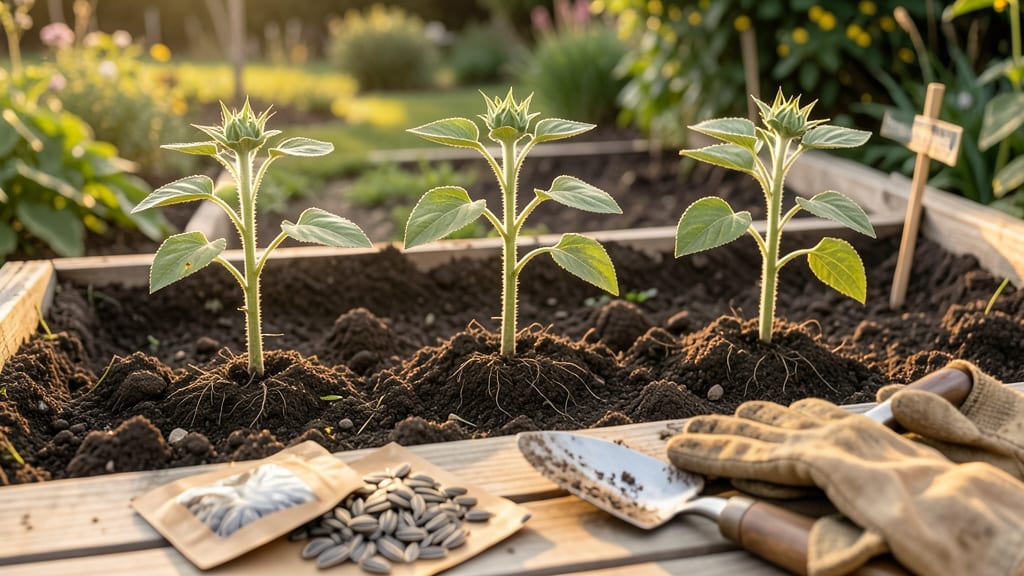
To plant sunflowers in Pennsylvania, aim for mid-April to mid-June when soil temperatures hit 50°F—that’s the sweet spot for germination and towering blooms by summer.
Pennsylvania’s diverse climate zones can make sunflower planting tricky—but timing your seeds right ensures those iconic 🌻 blooms will dominate your summer garden.
In Zone 6a, where most of PA lands, wait until after your last frost (April 15) to avoid stunted growth, while southern regions can start earlier. Direct sowing is easiest, but starting seeds indoors in early April gives you a head start.
Below, I break down the exact planting windows by zone, soil prep tips, and how to stretch your season for late-summer blooms—no guesswork, just PA-proven results.
Pennsylvania sunflower planting calendar by hardiness Zone (exact months & deadlines)
Pennsylvania's USDA hardiness zones 5a-7a create unique challenges for sunflower planting, but understanding your zone's last frost dates and soil temperature requirements is key to success. In Zone 5a, where winters are harshest, you'll need to plant earlier than in Zone 7a, where summers last longer.
The difference between these zones can mean 2-3 weeks in your planting window, which directly impacts bloom time and plant height.
Sunflowers thrive when soil temperatures reach at least 50°F (10°C), which typically occurs 2-4 weeks after your last frost date. This warm soil requirement means you can't rush planting—cold soil will delay germination by 1-2 weeks or worse, cause seeds to rot.
My rule of thumb? Wait until you can dig down 6 inches and feel consistently warm soil before planting.
Here's the critical difference between Pennsylvania's zones: Zone 5a gardeners have just 120 frost-free days, while Zone 7a enjoys 200+ days. This means northern PA growers should focus on fast-maturing varieties (50-60 days to bloom), while southern PA can experiment with taller, later-blooming types (90-120 days).
The wrong timing in Zone 5a could leave you with sunflowers that never fully mature before frost.
| Zone | Last Frost Date | Ideal Planting Window | Soil Temp Requirement | Germination Time | Bloom Time |
|---|---|---|---|---|---|
| 5a (Northeast PA) | April 20-May 5 | May 10-June 1 (direct sow) | 50°F+ (10°C+) | 7-14 days | July-August |
| 6a (Central PA) | April 15-May 1 | April 25-June 15 | 50°F+ (10°C+) | 7-10 days | July-September |
| 7a (Southern PA) | April 1-March 15 | April 10-July 1 | 50°F+ (10°C+) | 5-10 days | August-October |
Note: For Zone 5a, consider indoor starts 2-3 weeks before last frost for earlier blooms.
In Zone 5a, where I garden in the Pocono Mountains, I've learned that direct sowing after May 10 gives my sunflowers the best chance to mature before frost.
The 10-day window between May 10 and May 20 is particularly critical—planting before this risks cold soil delays, while planting after may mean flowers don't reach full size before first frost in October.
I always check soil temperature with a soil thermometer to confirm it's above 50°F before planting.
For Zone 6a gardeners, the planting window opens earlier, allowing for two planting opportunities: an early batch in late April (with row covers) and a main planting in May. This strategy extends your bloom time from July through September.
I recommend planting half your seeds by May 1 and the remaining half by June 1 to stagger blooms and ensure continuous color. The 100-day varieties planted in early June will still have time to mature before frost in most years.
Southern Pennsylvania's Zone 7a offers the most flexibility, with a 3-month planting window from April through July. This means you can experiment with both early and late varieties.
I've had success planting 'Autumn Beauty' sunflowers as late as July 1—they'll bloom in late September and provide stunning fall color before frost. However, even in Zone 7a, avoid planting after July 15 unless you're growing very fast varieties (under 60 days to maturity).
One common mistake I see in all zones is planting too early in hopes of earlier blooms. Sunflower seeds won't germinate in cold soil, and they're particularly vulnerable to rot in damp conditions. Instead of rushing, use row covers or cold frames to warm the soil earlier.
Another tip: plant seeds 1 inch deep and 12 inches apart—this spacing gives roots room to establish before thinning. In tight spaces, you can plant
How to extend your sunflower season in Pennsylvania (cold starts & late blooms)
Pennsylvania’s shorter growing seasons can cut sunflower blooms short—but with the right strategies, you can enjoy those iconic golden faces from early summer to frost. The key lies in early sowing techniques and smart variety selection.
Even in Zone 5a, where summers feel brief, you can push your sunflowers to thrive with just a few adjustments to your planting plan.
For gardeners in northern PA, the challenge is twofold: late spring frosts that delay planting and early autumn frosts that end the season sooner. By combining cold-hardy varieties, protective covers, and staggered planting, you can create a sunflower display that lasts 6-8 weeks longer than traditional methods.
Let’s break down the best approaches for your specific climate zone.
One of my favorite tricks for northern PA gardens is using mini cold frames made from repurposed windows or plastic domes. These create a microclimate that warms up faster in spring, letting you plant sunflowers 3-4 weeks earlier than the official last frost date.
Just be sure to vent them on warm days to prevent fungal diseases from excess moisture.
For late-season blooms, focus on succession planting in July. Even if your first batch of sunflowers bolts in early August, a second planting can produce full-size blooms by September.
Just select dwarf varieties like 'Teddy Bear' (55 days) if space is limited—they’re perfect for containers and won’t tower over your garden.
Don’t overlook the power of mulching to regulate soil temperature. A 2-3 inch layer of straw or shredded leaves keeps roots cool in summer and warm in spring, giving your sunflowers a head start.
Pair this with drip irrigation to maintain even moisture, and you’ll minimize stress that can shorten the bloom period.
With these methods, I’ve seen sunflowers in Erie (Zone 5b) bloom from late June through October—a full 12-week extension! The secret is combining early starts, protective covers, and strategic variety choices. Now grab those seeds and get planting—your future sunflower forest awaits! 🌻