
Flowers
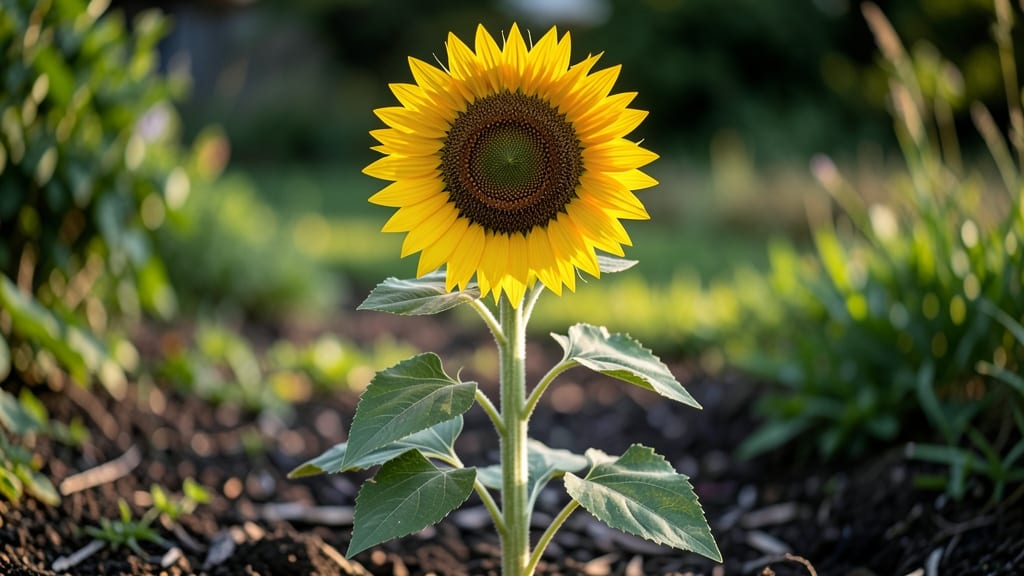
Sunflowers in Florida bloom and thrive during two distinct seasons—spring and fall—when temperatures align with their love for warmth and long days.
Picture this: you’re strolling through your garden in May, surrounded by towering 🌻 stalks reaching toward the sky, their golden faces tracking the sun like little mirrors. That’s the magic of Florida’s ideal sunflower season, but timing is everything.
Plant too early, and the heat zaps their energy; too late, and you miss the window entirely. I’ve seen both mistakes firsthand—and let’s just say, the 6-foot stalks with no blooms are a heartbreak waiting to happen.
Florida’s unique climate means sunflowers get two chances to shine. The first window opens in February through April, with blooms peaking in May and June. Then, as summer’s intensity cools slightly, a second planting in August or September delivers a late-season harvest in October and November.
Whether you’re growing them for their striking beauty or their edible seeds, nailing these months is the key to a sunflower success story.
In the sections ahead, I’ll break down the exact planting and harvest timelines for your region, the best varieties for Florida’s heat, and the simple tricks to keep your sunflowers thriving—no guesswork required. Let’s get those 🌻 growing!
Sunflower season in Florida: exact months for planting, blooming, and harvesting
Florida’s warm climate makes it a perfect place for sunflowers, but timing your planting is crucial. Unlike northern states, Florida’s microclimates create distinct growing windows. The North (like Jacksonville) has cooler winters, while the South (like Miami) stays frost-free year-round.
Even Central Florida (Orlando) has unique frost dates that affect your schedule.
Most Florida gardeners focus on two main planting seasons: spring and fall. Spring plantings yield summer blooms, while fall plantings produce winter flowers. Edible varieties like Mammoth Russian often need longer growing seasons, while ornamental types like Teddy Bear bloom faster.
Let’s break down the exact months for each Florida region to maximize your sunflower success.
🌱 Florida Sunflower Growing Windows by Region
| Region | Last Frost Date | Optimal Planting Window | Bloom Time | Harvest Window |
|---|---|---|---|---|
| North Florida (Jacksonville, Tallahassee) | Mid-February | March 15 - April 30 August 1 - September 15 |
June - July October - November |
July - August November - December |
| Central Florida (Orlando, Tampa) | Mid-January | February 15 - April 15 July 15 - September 1 |
May - June September - October |
June - July October - November |
| South Florida (Miami, Fort Lauderdale) | None (Frost-free) | January - March August - October |
March - April September - November |
April - May October - December |
🌻 Note: Adjust dates 1-2 weeks earlier for coastal areas (warmer microclimates).
In North Florida, where frost lingers until mid-February, wait until after March 15 to plant. This gives soil time to warm to 60°F+, which sunflowers crave. Central Florida gardeners can start as early as February 15, while South Florida enjoys year-round planting with no frost risk.
For edible varieties, aim for April 1 in the North and March 1 in the South to ensure full maturity before summer heat.
Sunflowers typically bloom 60-90 days after planting, but Florida’s heat can speed this up. Ornamental varieties like 'Autumn Beauty' often bloom in 70-80 days, while giant varieties like 'Russian Giant' take 100+ days.
Plan your harvest accordingly—North Florida sees summer blooms, while South Florida enjoys winter flowers. For continuous blooms, stagger plantings every 2-3 weeks during your region’s optimal window.
Harvesting sunflower seeds is all about timing. Wait until the back of the petals turns yellow or brown, and the seed head feels heavy.
In North Florida, this happens in July-August for spring plantings and November-December for fall. South Florida gardeners can harvest year-round, with peaks in April-May and October-November. Once harvested, dry seeds in a well-ventilated area for 2-3 weeks before storing.
Florida’s humidity and heat can stress sunflowers, so succession planting is key.
If you miss the spring window, don’t worry—fall plantings (August-September) yield stunning winter blooms. Dwarf varieties like 'Teddy Bear' are perfect for containers and small spaces, while tall varieties need 6+ feet of space and sturdy stakes.
For edible sunflowers, choose oilseed types like 'NuSun' for higher oil content.
One common mistake is planting too early in North Florida, where cold snaps can stunt growth. Always check your local frost dates and monitor soil temperatures. South Florida gardeners should watch for hurricane season (June-November) and protect young plants with windbreaks.
Mulching with straw or pine needles helps retain moisture and regulate soil temperature, especially during Florida’s hot, dry summers.
For maximum blooms, fertilize with a balanced 5-10-10 mix every 4-6 weeks during the growing season. Avoid overwatering—sunflowers are drought-tolerant once established.
Water deeply once a week in spring/fall and every 5-7 days in summer. Morning watering prevents fungal diseases like powdery mildew, a common issue in Florida’s humid climate.
With the right timing, your Florida garden can enjoy sunflowers year-round. Start with spring plantings for summer color, then follow up with fall varieties for winter interest. Whether you’re growing for beauty
Best sunflower varieties for Florida’s climate and how to extend their season
Florida’s warm climate lets sunflowers thrive year-round, but the right varieties and planting strategies make all the difference. Heat-tolerant dwarf and multi-bloom types like Moulin Rouge and Autumn Beauty handle humidity better than traditional giants.
These varieties not only survive Florida’s summer heat but also produce longer bloom seasons with proper care.
For extended seasons, focus on succession planting—sowing seeds every 2-3 weeks from February to September. This ensures continuous blooms instead of a single burst.
Pair this with shade cloth during peak afternoon sun (12 PM–4 PM) to protect young plants from scorching, especially in Central and South Florida.
Comparison of Top Florida-Friendly Sunflower Varieties
To extend your sunflower season, try fall planting in August–September. These late-season blooms often outperform spring plants because they avoid spring pests like aphids and benefit from cooler temperatures.
Use black plastic mulch to warm soil faster in early spring plantings, giving seeds a head start in North Florida’s cooler zones.
For urban gardens with limited space, dwarf varieties like Teddy Bear or Moulin Rouge thrive in containers and produce edible seeds. Pair them with basil or marigolds to deter pests naturally.
In South Florida, where frost is rare, you can even plant year-round with consistent watering and shade during summer afternoons.
Staggered planting isn’t just for spring—try monthly sowings from March to October for a nonstop bloom show. Deadhead spent blooms to encourage secondary flowers and harvest seeds when the back turns yellow. Store seeds in a cool, dry place for next year’s succession plantings.
With the right varieties and planting tricks, Florida’s sunflower season can stretch from early spring to late fall. Experiment with shade cloth, succession sowing, and heat-tolerant types to create a year-round display that even Florida’s intense sun can’t beat! 🌻