
Flowers
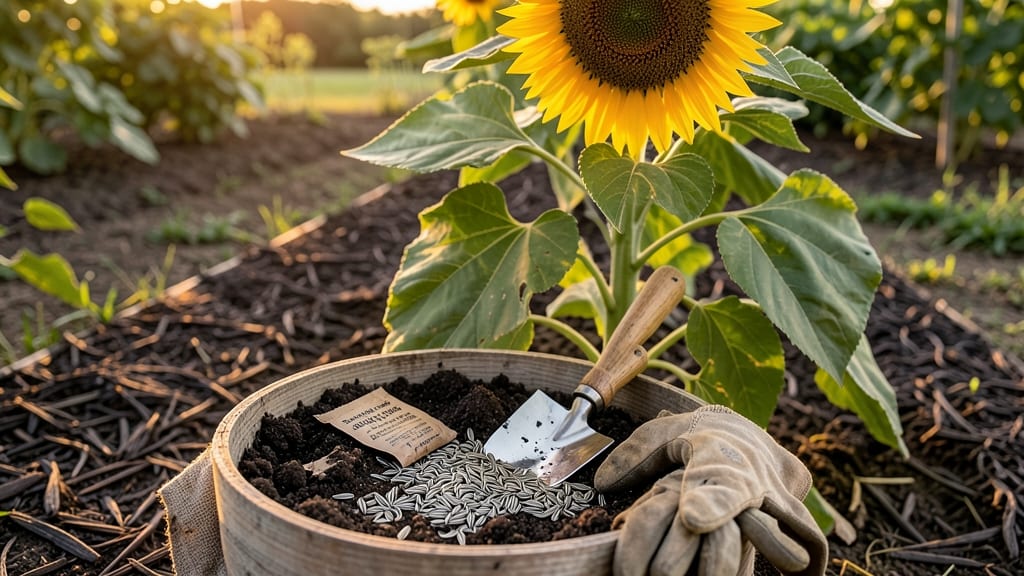
Plant sunflowers in New Mexico between mid-April and early June to beat the heat and drought before they bolt.
You’ve got 60 days to get it right—or watch your towering 🌻 dreams shrivel in the desert sun. The key? Timing that balances frost risk and soil warmth, especially in Albuquerque’s USDA Zone 6-8 heat. Miss the window, and you’ll end up with leggy stems and no blooms.
Here’s the secret: spring planting works best, but fall options exist for high-altitude areas like Taos. We’ll break down the exact dates by zone, soil prep tricks for dry climates, and how to pick sunflower varieties that thrive in NM’s intense sun.
Ready to grow sunflowers that reach 10+ feet tall? Let’s dive into the planting schedule, watering hacks, and the one mistake that kills sunflowers faster than a summer storm.
New Mexico’s heat zones and ideal sunflower planting months
New Mexico’s high desert climate and USDA zones 5-9 create unique challenges—and opportunities—for growing sunflowers. In Albuquerque (Zone 7), the dry heat demands precise timing, while Santa Fe (Zone 6) and Las Cruces (Zone 8) offer slightly different frost-free windows.
The key? Planting after the last frost date (typically mid-March to early April) but before soil temperatures exceed 85°F, which can stress young seedlings. Let’s break down the perfect planting calendar for your zone.
Sunflowers love long daylight hours and warm soil, but NM’s short growing season in high-altitude areas (like Taos) means you’ll need to act fast.
Most varieties need 80-120 days to mature, so timing is everything. Spring planting (April–May) is ideal for most regions, but fall plantings (August–September) can work in Zone 8 areas like Las Cruces, where frost arrives later.
Let’s dive into the zone-specific details to ensure your sunflowers reach their full 6-14 foot potential.
| Zone & Location | Last Frost Date | Ideal Planting Window | Soil Temp for Germination | Days to Maturity |
|---|---|---|---|---|
| Zone 5 (Taos, Angel Fire) | Mid-May | Late May–June 15 | 60°F+ | 80–90 days |
| Zone 6 (Santa Fe, Los Alamos) | Early April | April 15–May 15 | 55°F+ | 90–100 days |
| Zone 7 (Albuquerque, Rio Rancho) | Mid-March | March 30–April 30 | 50°F+ | 100–120 days |
| Zone 8 (Las Cruces, Deming) | Early January | Feb 15–April 15 (spring) or Aug–Sept (fall) | 45°F+ | 120–150 days |
In Zone 5 (Taos), where cool nights and late frosts are common, wait until late May to plant. The short growing season means you’ll want fast-maturing varieties like ‘Teddy Bear’ (50–60 days) to avoid frost damage.
Use black plastic mulch to warm the soil faster and extend your planting window by 1–2 weeks. I’ve had success in Taos by starting seeds indoors in early April and transplanting after the last frost.
For Zone 6 (Santa Fe), aim for April 15–May 15 when soil temperatures consistently stay above 55°F. This zone’s cooler temperatures and higher elevation mean sunflowers grow slower, so choose medium-height varieties like ‘Moulin Rouge’ (70–75 days) to avoid stem flopping from heavy blooms.
Water deeply once a week to encourage strong root development before the dry summer heat sets in.
In Zone 7 (Albuquerque), you’ve got the best window for sunflowers—plant from late March to late April. The longer daylight hours
How to adjust planting time for sunflower varieties in NM’s climate
New Mexico’s high desert climate and short growing seasons demand careful timing when planting sunflowers. Dwarf varieties like ‘Moulin Rouge’ (2–3 ft tall) can handle cooler temperatures, while giants like ‘Russian Giant’ (10–14 ft) need longer, warmer seasons.
The key? Planting after the last frost (typically mid-April in lowlands, May in high-altitude Taos) but before summer’s heat spikes stress young plants.
In Albuquerque (USDA Zone 7), start dwarf sunflowers by late March for early blooms, while giants thrive when planted by mid-April. High-altitude areas like Santa Fe (Zone 6) should wait until May 1st to avoid frost damage.
The 120-day heat in July–August can scorch sunflowers, so timing matters more than you’d think!
| Variety | Height | Best Planting Window | Days to Maturity | NM Heat Adaptation |
|---|---|---|---|---|
| ‘Moulin Rouge’ (Dwarf) | 2–3 ft | Late March–May 1st | 55–65 days | Tolerates cooler temps; ideal for high-altitude Taos |
| ‘Teddy Bear’ (Semi-Dwarf) | 3–5 ft | April 1st–May 15th | 60–70 days | Balanced for mid-elevation areas like Santa Fe |
| ‘Russian Giant’ (Giant) | 10–14 ft | Mid-April–May 10th | 90–120 days | Needs long, hot summers; best for lowland Albuquerque |
For high-altitude gardens like Taos (Zone 6), extend the season by starting dwarf varieties indoors in March and transplanting after May 1st. Use black plastic mulch to warm soil faster and row covers for early protection.
In Las Cruces (Zone 8), plant giants by March 15th to avoid summer’s 100°F+ heat, which can stunt growth.
Watch for heat spikes in June–July. If temperatures exceed 90°F for weeks, shade young plants with shade cloth during peak sun (11 AM–3 PM). Dwarf varieties recover faster from heat stress, making them ideal for container gardens in urban Albuquerque.
Pro tip: Soil temperature matters more than air temperature. Use a soil thermometer—sunflowers need soil at 60°F+ to germinate. In cooler zones, wait until soil warms naturally (usually late April) rather than rushing planting.
Adjust your schedule based on variety height and local microclimates. Dwarf sunflowers reward patience with early blooms, while giants demand precision timing for those 12-foot giants you’ve always dreamed of. Start small, observe your garden’s quirks, and soon you’ll master NM’s sunflower timing! 🌻