
Flowers
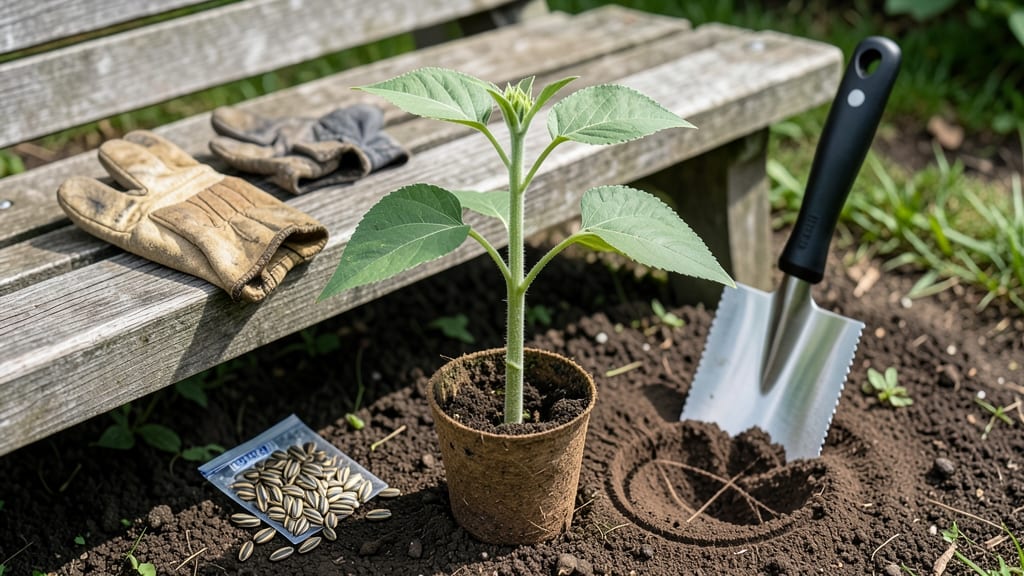
Planting sunflowers in Zone 8 after the last frost date—typically around March 15—sets them up for fast germination and towering blooms by summer.
But here’s the catch: rush it, and late frosts can still nip tender seedlings. Wait too long, and your 🌻 giants might bolt before reaching their full height. Zone 8’s mild winters and hot summers demand precision—soil temperature, frost risks, and variety choices all play a role.
This guide breaks down the exact windows for spring and fall planting, soil warmth thresholds, and how to adjust for microclimates (coastal vs. inland). You’ll also learn which sunflower types thrive fastest in your heat, plus 3 pro tips to keep them blooming all season.
Skip the guesswork: by the end, you’ll know when to plant for sunflowers that grow tall, strong, and ready for harvest by August.
Best planting windows for sunflowers in Zone 8 by soil temperature
Sunflowers thrive in Zone 8’s warm climate, but getting the timing right means the difference between vibrant blooms and wilted disappointment. Unlike cooler zones, Zone 8 offers two distinct planting windows—spring and fall—each tied to soil temperature and frost risk.
The key? Wait until soil reaches at least 50°F for germination, and avoid late spring frosts that can kill young seedlings.
Inland areas of Zone 8 (like San Antonio or Phoenix) have earlier last frost dates (mid-March), while coastal regions (like San Diego or Santa Barbara) may see frost as late as April.
This microclimate shift means your planting schedule should adjust 1-2 weeks earlier if you’re near the coast. For most of Zone 8, the sweet spot is mid-April to early June for spring planting.
| Planting Window | Soil Temp Requirement | Frost Risk | Best For |
|---|---|---|---|
| Mid-April to Early June | 50°F+ (10°C+) | Low (post-last frost) | Spring blooms, tall varieties |
| Late August to Mid-September | 55°F+ (13°C+) | None (fall planting) | Late-season color, shorter varieties |
| Early March (coastal only) | 50°F+ (10°C+) | High (frost likely) | Risky; use row covers |
Direct-sowing sunflower seeds is the best method for Zone 8, as seedlings hate transplanting. Their taproots grow fast, and disturbing them can stunt growth. If you’re starting indoors, transplant only when seedlings have 2-3 true leaves and soil is warm enough.
For most gardeners, though, skipping transplants and sowing directly saves time and stress.
For coastal Zone 8 (like San Diego), you can push planting to early March if you’re willing to risk frost. Use row covers or black plastic mulch to warm soil faster.
Inland areas should wait until after April 15 to avoid late frost damage. A soil thermometer is your best friend—sow only when temps stay above 50°F for 5+ days.
Fall planting in Zone 8 is a hidden gem. Sow seeds in late August to mid-September for late-season blooms that brighten up autumn gardens. Soil temps stay warm enough for germination, and no frost risk exists.
Choose shorter varieties (like ‘Teddy Bear’) to avoid flopping in winter winds, and harvest seeds before the first frost.
If you’re unsure about your last frost date, check local Cooperative Extension Service data or use a frost calendar app. For example, Los Angeles averages its last frost on January 15, while Tucson rarely sees frost.
Adjust your planting 2-3 weeks after your area’s typical last frost date for safe germination.
Pro tip: Soak seeds overnight before planting to speed up germination. Sunflowers sprout in 7-14 days when soil is warm, but cold soil delays sprouting.
Mix seeds with sand for even spacing—they’re large and can get crowded. Thin seedlings to 12-24 inches apart, depending on the variety’s mature size.
For succession planting, sow new seeds every 2 weeks from April to June. This ensures continuous blooms all summer long. Avoid planting in hot, dry soil (like July in Phoenix), as it can prevent germination. Instead, focus on fall planting for a second flush of color.
Remember, sunflowers love heat—the hotter the better for taller stems and bigger blooms. In Zone 8, summer heat is your ally, not your enemy. Just keep soil consistently moist (not soggy) until plants establish deep roots.
With the right timing, your sunflowers will reach their full potential and turn heads all season long. 🌻
How to adjust planting for Zone 8’s late frost risks & summer heat
Zone 8’s unpredictable late frosts and scorching summer heat can turn sunflower dreams into wilting disappointments if you’re not prepared. The key is strategic timing and smart adjustments—like choosing frost-resistant varieties or using shade cloth during heatwaves—to keep your sunflowers thriving.
I’ll show you how to outsmart Mother Nature with these proven tactics.
First, understand that frost risks in Zone 8 can linger until mid-April in inland areas, while coastal zones may warm up faster. Meanwhile, summer temperatures often exceed 90°F+, stressing young plants.
The solution? Succession planting and heat-tolerant varieties to stretch your blooming season without risking frost damage or heat stress.
🌱 5 Pro Tips to Adjust Planting in Zone 8
- 📅 Wait for soil temps of 50°F+ (use a soil thermometer) before planting, typically mid-April to early May in most of Zone 8.
- 🌿 Choose early-maturing varieties like ‘Moulin Rouge’ (50-60 days) to avoid late frosts and late-blooming types like ‘Autumn Beauty’ (80-100 days) for summer heat.
- 🌡️ Use shade cloth (30-50%) during peak summer heat (June-August) to protect young plants from wilting.
- 🌱 Succession plant every 2-3 weeks from May to July for continuous blooms without overcrowding.
- 💧 Deep-water plants in the morning to prevent heat stress and fungal diseases like powdery mildew.
For late frosts, I recommend starting seeds indoors 4-6 weeks before your last frost date (usually mid-March for Zone 8). Transplant seedlings outdoors only after nighttime temps stay above 40°F consistently.
If frost strikes, cover young plants with frost blankets or row covers—sunflowers can tolerate light frosts but not prolonged cold snaps.
When summer heat arrives, mulch heavily with straw or wood chips to retain moisture and cool roots. Avoid overhead watering during peak sun hours (10 AM–4 PM), as it can scorch leaves.
Instead, water deeply at dawn and use drip irrigation to keep foliage dry. This simple shift can double your success rate in Zone 8’s brutal summers.
Don’t overlook variety selection—some sunflowers handle heat better than others. For example, ‘Russian Giant’ matures quickly but struggles in extreme heat, while ‘Autumn Beauty’ thrives in 90°F+ temperatures and blooms later in the season. Match your variety to your microclimate (coastal vs. inland) for the best results.
Finally, embrace succession planting to maximize your garden’s potential. Plant a new batch every 2-3 weeks from May through July. This ensures you’ll always have blooming sunflowers without gaps, even if early plantings get stressed by heat or late frosts.
With these adjustments, your sunflowers will reach their full potential—tall, vibrant, and frost-free! 🌻