
Flowers
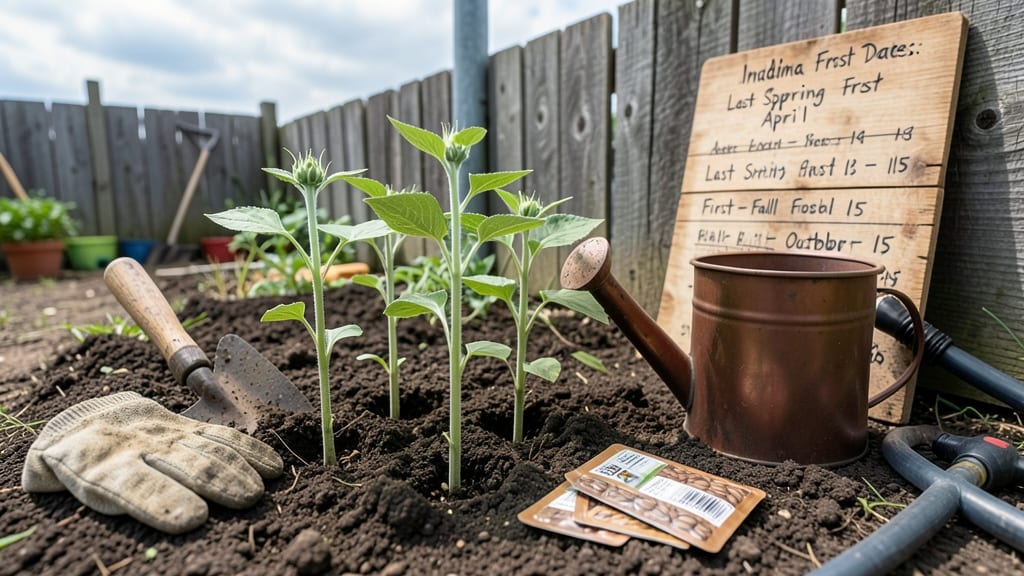
Planting sunflowers in Indiana after the last frost—around mid-April for most zones—sets the stage for towering blooms that brighten summer gardens.
Sunflowers bring bold beauty to Indiana gardens—but planting them at the wrong time means wilted dreams instead of towering blooms. Timing is everything, and Indiana’s unpredictable frost patterns demand precision.
In USDA Zone 6a, where most of Indiana falls, the ideal window is late April to early June, once soil temperatures hit 55°F and the risk of frost has passed. Miss this window, and you risk stunted growth or even lost plants.
Below, I’ll break down the exact planting dates by hardiness zone, soil prep tips, and how to care for your sunflowers so they reach their full 10-foot potential—or even taller!
Indiana sunflower planting dates by hardiness zone (5a-6b)
Indiana’s sunflower planting season hinges on precise timing—miss the last frost date, and your towering Helianthus annuus could face frost damage before blooming. With USDA zones 5a-6b spanning from northern Indiana’s chilly springs to southern regions’ milder climates, your planting window varies by 10-14 days.
Let’s break down the exact frost-free deadlines and soil temperature triggers for each zone to ensure your sunflowers thrive.
Sunflowers are cold-sensitive seedlings that won’t tolerate frost, but their mature plants can handle light frosts once established. The key is planting when soil temperatures hit 55°F+—this ensures rapid germination and strong early growth.
In Indiana, this typically aligns with late April to early June, but your exact timeline depends on your hardiness zone. For zones 5a and 5b, you’ll need to wait longer than gardeners in 6a and 6b.
| Zone | Last Frost Date (Avg.) | Soil Temp for Planting | Ideal Planting Window | Transplant Window |
|---|---|---|---|---|
| 5a (Northern IN) | May 1-15 | 55°F+ (consistent) | Late May - Early June | May 10-25 (start indoors) |
| 5b (Central IN) | April 25 - May 10 | 55°F+ (consistent) | Early May - Mid-June | April 20-May 10 (start indoors) |
| 6a (Southern IN) | April 15-30 | 50°F+ (minimum) | Late April - Early June | April 10-May 5 (direct sow) |
| 6b (SW IN) | April 1-15 | 50°F+ (minimum) | Mid-April - Late May | March 25-April 15 (direct sow) |
For zone 5a gardeners in northern Indiana (think Fort Wayne or Gary), hold off until late May—planting earlier risks frost damage to tender seedlings. Use row covers if you’re eager to start in early May, but remove them once true leaves appear to prevent overheating.
In zone 6b (like Evansville or southern Indiana), you can start as early as mid-April, giving your sunflowers a head start for those 10-foot+ varieties.
Direct sowing is ideal for sunflowers, but if you’re transplanting seedlings, start them indoors 4-6 weeks before your last frost date. Use biodegradable pots to avoid root disturbance when moving them outdoors.
Harden off seedlings by placing them outside for 2-3 hours daily the week before transplanting. This gradual adjustment prevents transplant shock, which is especially critical in Indiana’s unpredictable spring weather.
Pro tip: Test your soil temperature with a soil thermometer before planting—sunflowers won’t germinate well below 55°F. If your soil is still cold, wait 7-10 days or use black plastic mulch to warm it faster.
In zone 5a, this might mean delaying until early June, but the wait ensures robust growth. For zone 6b, you can often plant by late April if your soil warms early.
Indiana’s first frost typically arrives between October 15-30, but sunflowers planted in late June or early July can still bloom before frost—especially fast-maturing varieties like ‘Moulin Rouge’ (50-55 days) or ‘Teddy Bear’ (55-60 days).
For tall varieties (like ‘Russian Giant’ at 12+ feet), prioritize early May planting in zones 6a-6b to maximize bloom time before winter.
If you’re unsure about your last frost date, check the USDA Plant Hardiness Zone Map and local resources like your county extension office. They provide hyperlocal frost data that can shift your planting window by 1-2 weeks.
For example, Lafayette (zone 6a) averages a last frost of April 20, while South Bend (zone 5b) waits until May 5. These nuances make all the difference for Indiana gardeners!
Remember: Sunflowers love warmth, so the earlier you plant in your zone, the taller and more vibrant your blooms will be. But don’t rush—healthy seedlings beat stunted growth every time.
With these zone-specific deadlines, your Indiana sunflower garden will be a golden spectacle from summer through fall. 🌻
Sunflower varieties that thrive in Indiana’s short vs. long growing seasons
Indiana’s 120-150 day growing seasons create a unique challenge for sunflower lovers. Some varieties bolt in the heat, while others struggle to mature before first frost. The key? Matching your sunflower’s days to maturity with your last frost date—typically mid-October in most of Indiana.
Fast-maturing 50-60 day varieties like 'Teddy Bear' or 'Moulin Rouge' are my go-to for short seasons. They bloom quickly and handle Indiana’s humidity better than late bloomers. Meanwhile, 90+ day giants like 'Russian Giant' need perfect timing to avoid frost damage.
| Variety | Days to Maturity | Height Range | Best For | Indiana Planting Window |
|---|---|---|---|---|
| Teddy Bear | 50-55 days | 3-4 ft | Containers, cut flowers | Late May - June 15 |
| Moulin Rouge | 55-60 days | 4-5 ft | Early blooms, pollinators | April 20 - May 10 |
| Autumn Beauty | 60-65 days | 5-6 ft | Color-changing blooms | April 15 - May 5 |
| Russian Giant | 90-120 days | 10-14 ft | Full sun, statement plants | March 20 - April 10 |
| Mammoth | 100-120 days | 12-15 ft | Tallest varieties, late summer | March 15 - April 5 |
For containers or small spaces, I recommend 'Teddy Bear' or 'Autumn Beauty'. Their 3-6 ft heights fit patios and balconies while still thriving in Indiana’s hot summers. These varieties also handle drought conditions better than their towering cousins.
If you’re dreaming of 10+ ft sunflowers, plant 'Russian Giant' or 'Mammoth' early—by mid-March in southern Indiana or late March in northern zones. These giants need 6+ hours of sun daily and well-draining soil to avoid fungal issues.
Pro tip: Use row covers for late bloomers if frost threatens. I’ve saved Russian Giant plants by covering them with lightweight fabric when nighttime temps drop below 50°F. This extends bloom time by 2-3 weeks in marginal seasons.
Remember, Indiana’s variable frost dates mean flexibility. Start with fast varieties if your season feels short, or go bold with giant sunflowers if you’re in a warmer microclimate like southern Indiana’s Zone 6b.