
Plants
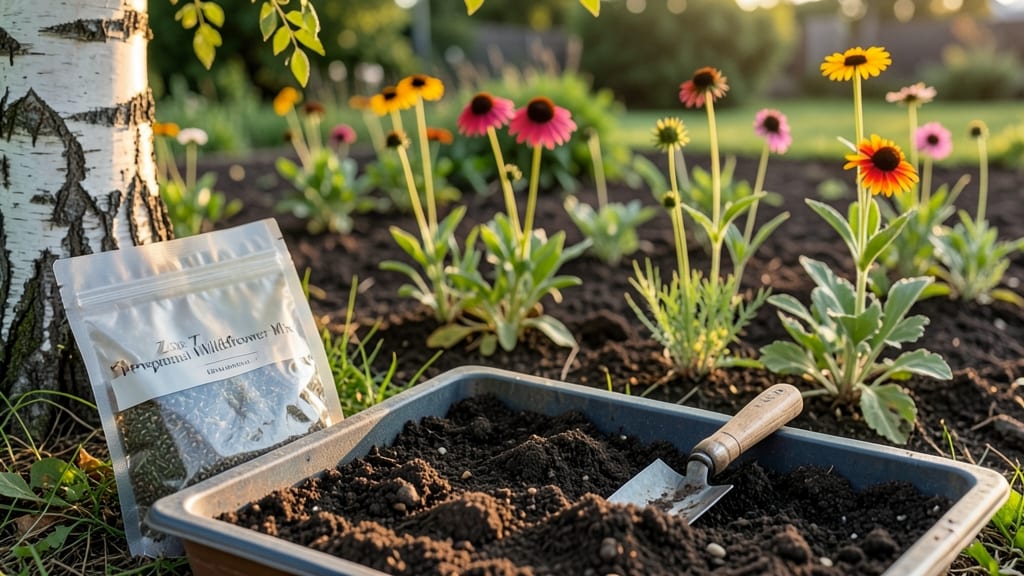
Plant wildflower seeds in Zone 7 during early spring or late summer to early fall for the best results, as these windows align perfectly with soil temperatures and seasonal conditions.
Picture this: a meadow bursting with color, bees buzzing from flower to flower, and a garden that thrives with minimal effort. That’s the magic of wildflowers, but getting them started right means planting at the perfect time.
Too early, and frost can wipe them out; too late, and they won’t establish strong roots before winter.
Zone 7’s mild climate gives you two ideal planting seasons—spring and fall—each offering unique benefits. Spring planting lets you enjoy blooms all summer, while fall-sown seeds take advantage of cooler temperatures and winter moisture to germinate early.
Whether you’re a beginner or a seasoned gardener, timing is the key to a vibrant, pollinator-friendly display.
In this guide, I’ll break down the exact months to plant, how to prep your soil, and which wildflower varieties thrive best in Zone 7. You’ll also discover how to avoid common mistakes that can kill your seeds before they even sprout.
Let’s get those 🌼 seeds in the ground for a stunning, low-maintenance garden!
Best months to plant wildflower seeds in Zone 7 for year-round blooms
Timing your wildflower planting in Zone 7 can mean the difference between a thriving meadow and a failed attempt. The ideal window depends on whether you’re planting annuals (fast-growing, one-season bloomers) or perennials (returning year after year).
Most gardeners swear by late summer/early fall as the golden window, but spring planting also works—with key adjustments.
Zone 7’s last frost date typically falls around mid-April, while the first frost arrives by mid-October. This 165-day growing season gives you two prime opportunities: spring (March–April) for annuals and fall (September–October) for perennials. Each season offers unique advantages, from cooler soil temperatures to reduced competition from weeds.
Why fall planting often wins: Seeds sown in late summer/early fall (August–October) germinate slowly in cool soil, avoiding summer heat stress. They establish roots before winter, then bloom earlier the following spring. Perennials, like black-eyed Susans and coneflowers, especially benefit from this timing.
Spring planting (March–April) is ideal for annual wildflowers like cosmos and zinnia, which thrive in warm soil. However, rush the process, and seedlings may bolt (flower too early) or struggle with summer heat. Always wait until soil temperatures reach 50–60°F for best results.
For Zone 7’s coastal regions (e.g., North Carolina coast), extend fall planting into early November—milder winters allow seeds to germinate later. Inland areas (e.g., Tennessee or Virginia) should stick to mid-October to avoid early frosts. Always check your local frost dates for precision.
Pro tip: If you miss the fall window, late winter (February) is a backup. Pre-soak seeds in lukewarm water for 24 hours to kickstart germination in cold soil. This mimics spring rains and gives delicate seedlings a head start.
Once planted, water lightly daily for 2–3 weeks to keep soil moist (not soggy). Wildflowers hate competition, so remove weeds aggressively until seedlings reach 3–4 inches tall. After establishment, reduce watering—most wildflowers thrive on drought once rooted.
To maximize blooms, mix annuals and perennials in your seed blend. Annuals like sunflowers provide instant color, while perennials like purple coneflower return year after year. For example, plant cosmos (annual) in April alongside black-eyed Susans (perennial) in September—you’ll enjoy non-stop blooms from spring to frost.
Remember: Native wildflowers are your best bet for Zone 7 success. They’ve evolved to thrive locally, requiring less water and care than exotic varieties. Check seed packets for “cold stratification” notes—some species need a winter chill to germinate properly.
With the right timing, your Zone 7 wildflower meadow will burst into color from early spring through first frost, attracting butterflies, bees, and hummingbirds all season long. Start with just one 10x10-foot patch to test your soil and microclimate—then expand next year! 🌼
How to choose wildflower seed varieties for Zone 7’s climate and soil
Zone 7’s diverse climates—from humid coastal areas to dry inland regions—demand careful seed selection. Coastal zones like Virginia Beach thrive with moisture-loving varieties like black-eyed Susans, while inland areas (e.g., Raleigh) need drought-tolerant species like purple coneflower. Matching seeds to your microclimate ensures vibrant blooms and healthy growth.
Soil type plays a critical role too. Clay-heavy soils (common in Kentucky) benefit from loosening amendments like compost, while sandy soils (found in North Carolina) drain too quickly for moisture-sensitive wildflowers.
Always check seed packets for soil preference notes—some varieties thrive in poor, rocky soil, while others need nutrient-rich beds.
Sunlight needs vary dramatically across Zone 7. Full-sun lovers like coreopsis and blanket flower need 6+ hours of direct light, while partial-shade varieties such as columbine or foxglove tolerate 3–6 hours of sun. Observe your garden’s sun patterns before selecting seeds.
🌱Cold stratification is another key factor—many wildflower seeds (like bluebonnets) require a cold period to germinate. Check seed packets for instructions: some need 60 days in the fridge, while others can be sown directly in fall for natural stratification.
🌿 Coastal Zone 7 (Humid) vs. Inland Zone 7 (Dry)
Coastal (e.g., Virginia Beach)
- ✅ Best for: Moisture-loving species
- ✅ Top picks: Black-eyed Susan, Swamp Milkweed
- ✅ Soil tip: Amend clay with sand
- ✅ Sunlight: Partial shade to full sun
Inland (e.g., Raleigh)
- ✅ Best for: Drought-tolerant species
- ✅ Top picks: Purple Coneflower, Butterfly Weed
- ✅ Soil tip: Mulch to retain moisture
- ✅ Sunlight: Full sun only
💡 Pro Tip:
Mix native species for resilience—locals adapt better to your soil and climate than non-natives.
For shady gardens (e.g., under trees), opt for woodland wildflowers like trillium or bloodroot. These thrive in dappled light and acidic soil. In full-sun areas, goldenrod and beebalm deliver bold color with minimal care.
Always prioritize native wildflowers—they support local pollinators and require less water. Check seed packets for germination rates (aim for 80%+) and bloom times to plan a season-long display. A mix of early spring, summer, and fall-blooming varieties ensures continuous color.
🌻 Start small with a 50-square-foot plot to test your soil’s compatibility. Rotate seed varieties yearly to prevent soil depletion and keep your garden dynamic. Happy planting!