
How To
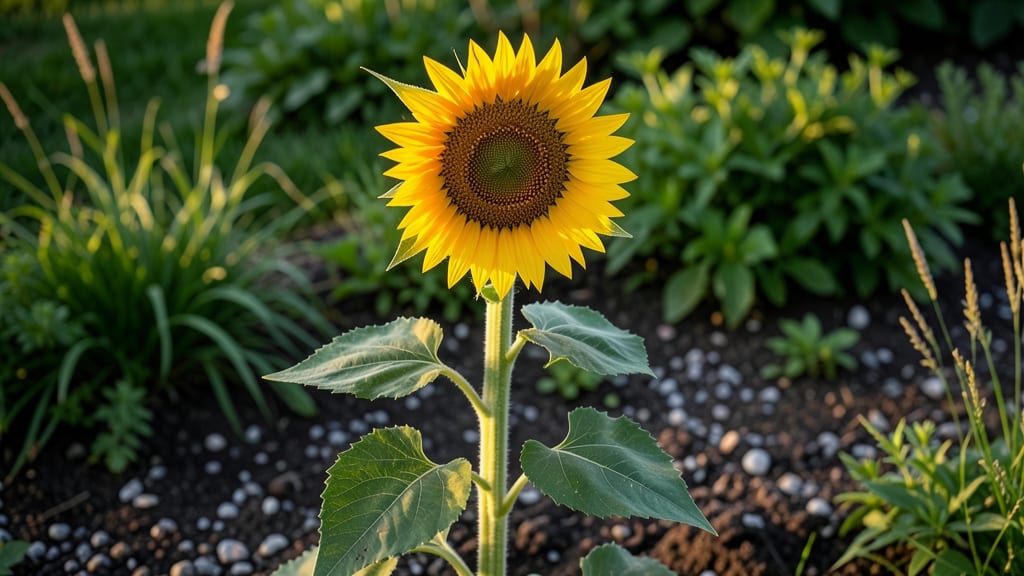
Sunflower height by variety: from dwarf to giant species
Choosing the right sunflower variety isn’t just about color—it’s about space planning. Some varieties stay compact enough for containers, while others need room to reach skyscraper heights. The Helianthus annuus species alone includes dwarf, medium, and giant types, each with unique growth expectations.
Whether you’re designing a cutting garden or a bird-friendly landscape, knowing these height ranges helps you pick the perfect plants.
Sunflower heights can vary dramatically—from 2-foot dwarfs to 16-foot giants. The difference often comes down to genetics, but growing conditions like sunlight, soil fertility, and water play a major role.
For example, a 'Russian Giant' might only hit 10 feet in poor soil but 16 feet with ideal care. Let’s explore the three height categories and their most popular cultivars.
Dwarf sunflowers like 'Teddy Bear' are perfect for small spaces or container gardening. They top out at 2–4 feet and bloom in just 50–60 days, making them ideal for quick color and pollinator-friendly gardens.
Their compact size also means they rarely need staking, though a light breeze can still topple them.
The 'Moulin Rouge' variety is a dwarf favorite with deep red petals that contrast beautifully against green foliage. It’s a great choice for cutting gardens or window boxes, where its 3–4 foot height fits neatly.
For maximum blooms, pinch back the main stem when it reaches 12 inches to encourage side shoots.
Medium-height sunflowers strike a balance between space and impact. Varieties like 'Autumn Beauty' grow 5–8 feet tall and produce multi-colored blooms that last weeks in a vase.
These are versatile plants—ideal for backyard borders, cutting gardens, or wildlife habitats. Their moderate height makes them self-supporting in most conditions.
'Lemon Queen' is a standout medium variety with bright yellow blooms that attract bees and butterflies. It reaches 6–7 feet and thrives in full sun. Unlike taller varieties, it doesn’t require staking unless your garden is windy. For longer stems, plant in well-draining soil and water deeply once a week.
Giant sunflowers are the showstoppers of the garden. The 'Russian Giant' variety can top 16 feet with proper care, making it a conversation piece in any landscape. These monster blooms produce
How to maximize sunflower height: soil, support, and care tips
Sunflowers thrive when given the right conditions, and their height can vary dramatically based on your care approach. The soil quality, watering consistency, and sunlight exposure all play critical roles in determining whether your sunflowers will reach their full potential.
Even the tallest varieties like 'Russian Giant' need proper support to avoid toppling over, while dwarf varieties like 'Teddy Bear' stay sturdy on their own.
To unlock those towering heights, start with well-draining soil rich in organic matter. Sunflowers love deep, loose soil that allows roots to spread easily. Amend heavy clay soils with compost or sand to improve drainage.
Remember, nutrient-rich soil fuels faster growth, but avoid over-fertilizing—too much nitrogen can lead to lush foliage at the expense of flower development.
⚠️ Height Reality Check
While 'Russian Giant' sunflowers can grow up to 16 feet tall, most gardeners see heights between 8-12 feet due to:
- Poor soil (compacted or nutrient-poor)
- Inconsistent watering (drought stress)
- Insufficient sunlight (less than 6 hours/day)
- Lack of support for tall varieties
Pro Tip: Test your soil pH—sunflowers prefer 6.0-7.5. Adjust with lime (to raise pH) or sulfur (to lower pH) if needed.
Consistent watering schedules are another secret to maximizing height. Water deeply once or twice weekly, ensuring the soil stays moist but not waterlogged. The first 30 days after planting are critical—young plants need steady moisture to establish strong root systems.
During hot summers, increase watering to every 5-7 days, but always water at the base to prevent fungal diseases.
Sunlight is non-negotiable for sunflowers. Plant them in locations with at least 6 hours of direct sunlight daily. South-facing spots are ideal in the Northern Hemisphere. If you're growing sunflowers in containers, place them where they'll receive full morning sun and afternoon shade in hot climates.
Partial shade can stunt growth, especially for tall varieties that need energy to support their height.
For varieties exceeding 8 feet, support is essential. Install stakes or trellises when plants reach 3-4 feet tall. Use bamboo stakes or wooden dowels at least 6 feet long, tied gently with soft plant ties.
Avoid tying too tightly—sunflower stems need room to grow. Alternatively, create a natural support system by planting sunflowers in groups where stems can lean against each other.
Watch for common mistakes that can stunt growth: overcrowding, poor soil drainage, and sudden temperature swings. Space sunflowers 12-24 inches apart depending on variety, and avoid planting in low-lying areas where cold air settles.
If you notice yellowing leaves, it could signal overwatering or nutrient deficiency. Adjust your care routine accordingly to keep your sunflowers reaching for the sky.