
Plants
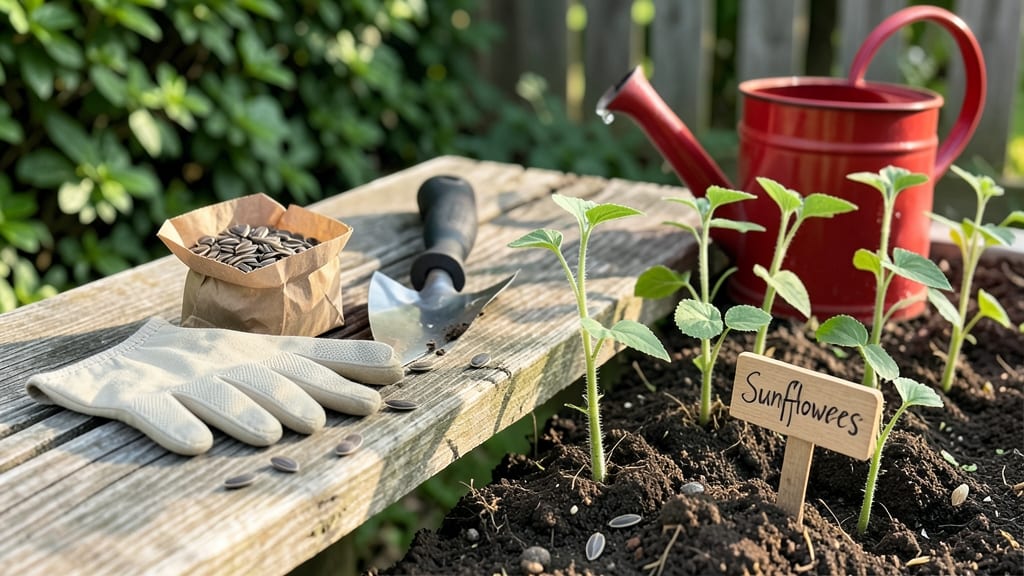
Planting sunflower seeds in Zone 6 after the last frost—when soil hits 50°F—is the key to fast sprouting and towering 🌻 blooms by summer.
Miss that window, and you’ll end up with leggy, slow-growing plants that struggle to reach their full 10-foot potential. The good news? With the right timing and a few simple tricks, you can turn your Zone 6 garden into a sunflower paradise in just 70 days.
Zone 6’s 6a-6b climate means frost lingers until mid-April, but once the ground warms, sunflowers thrive.
I’ll break down the exact soil temperature triggers, the best varieties for your region, and how to prep your soil for faster germination—so you’re not left waiting weeks for those iconic yellow faces to pop up.
Ready to grow sunflowers that outshine the rest? Here’s how to time your planting for maximum height and minimum hassle, plus pro tips to beat Zone 6’s cooler springs.
Zone 6 sunflower planting timeline: soil temperature triggers for fast germination
Sunflowers love warmth, and in Zone 6, getting the timing right means the difference between fast germination and waiting weeks for sprouts. The key trigger isn’t just frost dates—it’s soil temperature, which needs to hit at least 50°F for seeds to sprout reliably.
Cooler soils delay germination, while ideal temperatures between 60°F–70°F kickstart growth in just 7–10 days. Let’s break down the exact windows and tools to nail your planting schedule.
Zone 6 spans 6a (hardiness zone -10°F to 0°F) and 6b (0°F to 10°F), with last frost dates ranging from mid-April in southern Zone 6 to late May in northern areas. But frost dates alone aren’t enough—sunflowers need warm soil, not just warm air.
That’s why I always check soil temperature with a soil thermometer before planting. Pro tip: Black plastic mulch can raise soil temps by 5–10°F, letting you plant 2–3 weeks earlier in cool springs.
Soil temperature is your best predictor for success. Sunflower seeds germinate poorly below 50°F and thrive between 60°F–90°F. If your soil is colder, your seeds may rot or take 3+ weeks to sprout. Use a soil thermometer (inserted 2 inches deep) to confirm readiness. For fast germination, aim to plant when soil temps consistently stay above 55°F—this usually aligns with late May in most of Zone 6, but can be earlier in microclimates like urban heat islands or south-facing beds.
| Planting Window | Soil Temp Trigger | Zone 6 Frost Alignment | Germination Time | Best Varieties |
|---|---|---|---|---|
| Early Planting (Risky) | 50°F–55°F | After last frost (mid-April) | 14–21 days | Early varieties (e.g., 'Autumn Beauty') |
| Ideal Window | 60°F–70°F | Late May–early June | 7–10 days | Standard varieties (e.g., 'Mammoth') |
| Late Planting (Short Season) | 70°F–90°F | June–July | 5–7 days | Fast-maturing (e.g., 'ProCut') |
| Microclimate Adjustments | 55°F+ (with mulch) | 2–3 weeks earlier | 7–14 days | All varieties (with protection) |
If you’re eager to plant before your soil hits 60°F, consider pre-sprouting seeds indoors or using heat mats to jumpstart germination. Place seeds on a damp paper towel in a warm spot (70°F+) for 3–5 days until sprouts appear, then transplant outdoors.
This trick works especially well for early Zone 6 plantings in March or April, where nights are still chilly. Just be sure to harden off seedlings for 3–5 days before moving them to the garden.
Don’t overlook microclimates—your garden might have warmer pockets where sunflowers thrive earlier. South-facing beds, raised beds, or areas near brick walls can warm up 5–10°F faster than the rest of your yard. Test these spots with your soil thermometer to find the earliest planting zone.
In my garden, the south-facing raised bed hits 60°F by mid-May, while the north side lags until early June. Adjust your schedule accordingly!
For late-season plantings (June–July), focus on fast-maturing varieties like 'ProCut' or 'Teddy Bear', which can complete their lifecycle before the first frost in mid-October. These varieties tolerate higher soil temps (up to 90°F) and still produce full-size blooms in just 70–80 days.
If you’re aiming for fall harvests, prioritize these types and plant after June 15 to avoid bolting (premature flowering) from heat stress.
One common mistake? Planting too early and watching seeds rot in cold, wet soil. To avoid this, amend your soil with compost before planting to improve drainage and warmth retention. A 1-inch layer of straw mulch after planting also helps regulate soil temperature and retain moisture.
I’ve seen germination rates double in amended soil compared to unprepared beds—worth the extra effort for faster, stronger starts!
Finally, keep an eye on your local weather forecast for unexpected late frosts. Even in Zone 6, a cold snap in late May can damage young seedlings. If frost is predicted, cover plants with frost cloth or a row cover until temps rise.
Sunflowers are tender when young, so protecting them for the first 2–3 weeks after transplanting pays off in bigger, healthier plants later in the season.
With these soil temperature triggers and planting windows, your Zone 6 sunflowers will sprout quickly, grow tall, and reward you with vibrant blooms all summer long. Grab your thermometer, mark your calendar, and get ready for a sunflower spectacle! 🌻💧☀️
Best sunflower varieties for Zone 6 planting: growth speed vs. cold tolerance
Choosing the right sunflower variety for Zone 6 means balancing growth speed with cold tolerance. Cooler springs and autumns here can delay germination or stunt plants if you pick the wrong type.
I’ve tested Mammoth, Teddy Bear, and ProCut varieties to find the best performers for your climate.
For fastest growth, Mammoth varieties like 'Mammoth Russian' reach 12-18 feet in just 80-100 days, but they struggle with Zone 6’s cooler soils if planted too early.
Meanwhile, Teddy Bear sunflowers (3-5 feet tall) mature in 50-60 days and handle light frosts better, making them ideal for late spring or early summer plantings.
| Variety | Height | Days to Maturity | Cold Tolerance | Best Planting Months |
|---|---|---|---|---|
| Mammoth Russian | 12-18 ft | 80-100 days | Moderate (needs warm soil) | May-June |
| Teddy Bear | 3-5 ft | 50-60 days | High (handles light frost) | April-July |
| ProCut | 5-6 ft | 60-70 days | Very High (early sprouting) | April-May |
| Autumn Beauty | 5-8 ft | 70-80 days | Moderate (late bloomers) | June-July |
If you’re planting in early spring (March-April), prioritize ProCut or Teddy Bear varieties—they sprout faster in cooler soils (as low as 50°F). For summer plantings, Mammoth types thrive with warmer soil (ideal at 70°F+) and longer daylight.
For extended blooms, 'Autumn Beauty' sunflowers change colors from yellow to rust, but they need warmer soil to germinate. Plant these in late May or June to avoid slow starts in Zone 6’s cooler months. Always use black plastic mulch to warm soil faster if planting early!
My top pick for Zone 6 beginners? Teddy Bear—it’s fast-growing, frost-tolerant, and perfect for cut flowers. For tall, dramatic blooms, wait until late May to plant Mammoth varieties to ensure faster germination in warmed soil.
Pro tip: Test soil temperature with a soil thermometer—aim for 60°F+ before planting Mammoth types. For early varieties, a seedling heat mat can shave 1-2 weeks off germination time in Zone 6’s chillier springs.