
Companion Plants
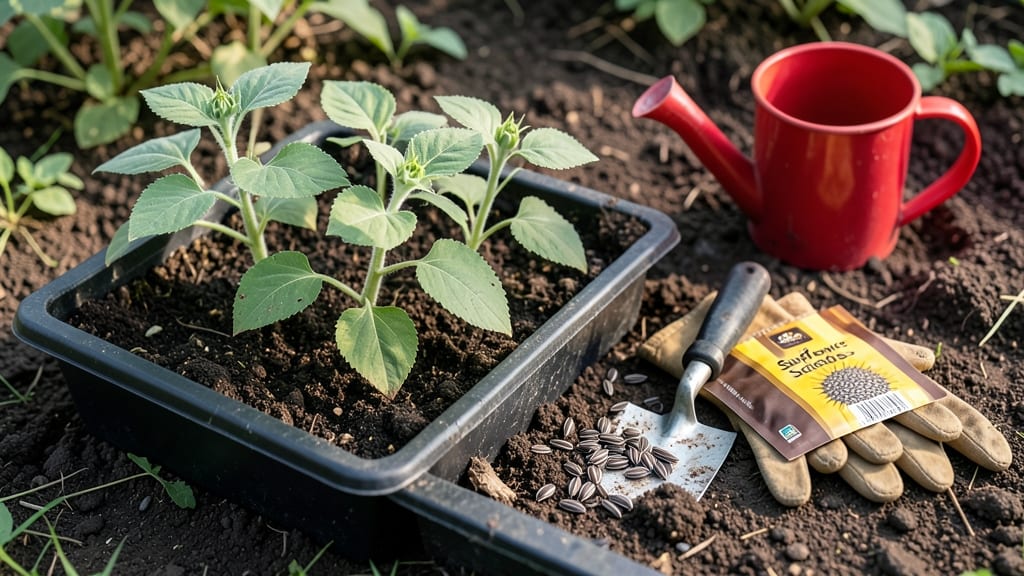
Planting sunflower seeds in Oregon after the last frost—typically mid-April to mid-June—sets the stage for towering blooms and a longer harvest season.
Sunflowers thrive in Oregon’s diverse climates—but planting them at the wrong time means wilted dreams before they even bloom. Timing is everything, and these frost-free dates by region will help you grow towering sunflowers with minimal risk.
Whether you’re in the Willamette Valley or the High Desert, knowing when to start seeds ensures they reach their full potential. From dwarf varieties to giants like 'Russian Giant,' each type has its own ideal window.
In this guide, I’ll break down Oregon’s frost-free zones, soil prep tips, and how to adjust planting for your microclimate—so you can enjoy sunflowers from July to October.
Oregon’s frost-free dates by region: best planting windows for sunflowers
Oregon’s diverse climate—from the cool coastal fog to the hot High Desert—means sunflower planting windows vary wildly. Sunflowers need 90–120 frost-free days to mature, so timing is critical.
Plant too early, and a late frost will kill tender seedlings; too late, and your towering giants won’t reach full height before winter. Let’s break down the best regional planting windows to ensure your sunflowers thrive.
Western Oregon—including Portland, Eugene, and the Willamette Valley—typically sees its last frost around April 15.
This means you should wait until mid-to-late April to plant sunflower seeds outdoors. Cooler microclimates, like those near the coast or in shaded valleys, may need to wait until early May for safety.
Eastern Oregon, including Bend, Pendleton, and the Columbia Gorge, warms up faster, with frost-free dates as early as March 20–April 1, allowing for earlier planting.
Coastal Oregon (e.g., Astoria, Newport, and Brookings) has the latest frost-free dates, often May 1–15, due to persistent marine layer fog. Sunflowers here may only have 120–140 frost-free days, so opt for dwarf or semi-dwarf varieties like 'Teddy Bear' or 'Autumn Beauty' to ensure they mature before winter. In contrast, southern Oregon (e.g., Medford, Ashland, and Klamath Falls) enjoys longer growing seasons, with frost-free dates as early as March 1 and first frosts in November, perfect for tall varieties like 'Russian Giant'.
Here’s a quick reference for Oregon’s frost-free dates by region and the ideal planting windows for sunflowers:
| Region | Last Frost Date | First Frost Date | Best Planting Window | Recommended Varieties |
|---|---|---|---|---|
| Western Oregon (Portland, Eugene, Willamette Valley) | April 15 | October 15 | Mid-April to early May | 'Autumn Beauty', 'Moulin Rouge' |
| Coastal Oregon (Astoria, Newport, Brookings) | May 1–15 | October 30–November 15 | Late May to early June | 'Teddy Bear', 'Lemon Queen' |
| Eastern Oregon (Bend, Pendleton, High Desert) | March 20–April 1 | October 1–15 | Early April to mid-May | 'Russian Giant', 'Mammoth' |
| Southern Oregon (Medford, Ashland, Klamath Falls) | March 1 | November 15 | Late March to early June | 'Russian Giant', 'Autumn Beauty' |
The High Desert (e.g., Burns, Prineville) is a unique case—it warms up quickly but can have hot, dry winds that stress young seedlings.
Plant in early April and use mulch or shade cloth to protect tender sprouts. Urban areas like Portland often experience microclimates, so check your specific neighborhood’s frost dates using resources like the National Weather Service or local gardening groups.
For extended growing seasons, consider fall planting in southern Oregon, where temperatures stay mild until November. Plant seeds in late August to early September for a second harvest before winter. However, avoid this in cooler regions, as short days and early frosts will stunt growth.
Always monitor soil temperatures—sunflower seeds need 55°F+ soil to germinate, and cooler soils can delay sprouting by weeks.
If you’re unsure about your local frost dates, use frost-sensitive plants like tomatoes or basil as a test crop.
Plant them a few weeks before your target date—if they survive, it’s safe to plant sunflowers. Row covers can also extend your season by 2–4 weeks, protecting seedlings from unexpected late frosts. For coastal gardeners, consider starting seeds indoors in late March and transplanting after the last frost.
Sunflowers are fast growers, but their success hinges on timing and location. By aligning your planting with Oregon’s regional frost-free dates and choosing the right variety for your microclimate, you’ll be rewarded with vibrant blooms and towering stalks that attract pollinators and add height to your garden.
Happy planting! 🌻
How to adjust planting time for sunflower varieties and soil conditions
Oregon’s cooler microclimates and shorter growing seasons demand smart sunflower planting strategies. The key? Matching your sunflower variety to your last frost date and soil conditions. Tall varieties like 'Russian Giant' need 120 days to mature, while dwarf types like 'Teddy Bear' thrive in just 50 days.
Soil temperature is critical—sunflower seeds won’t germinate until the soil reaches 60°F or warmer. In cooler zones (USDA 7b-8a), like the Willamette Valley, wait until mid-May for optimal results. Warmer areas like the High Desert can start as early as late April.
Here’s how to adjust your planting timeline based on variety and soil conditions:
For coastal Oregon, where fog delays warming, consider container gardening near sunny walls. Containers warm faster and let you move plants to sheltered spots if frost threatens. In eastern Oregon, where nights stay cool, use black plastic mulch to raise soil temps by 5–10°F.
Pro tip: If you miss the spring window, try a fall planting in USDA 9a+ zones (e.g., Medford). Sow seeds in early August for blooms before the first frost. Just ensure they mature before October 15.
By matching your sunflower variety to your microclimate and prepping soil for warmth, you’ll enjoy vibrant blooms from July through October—no matter where in Oregon you garden. 🌻