
Plants
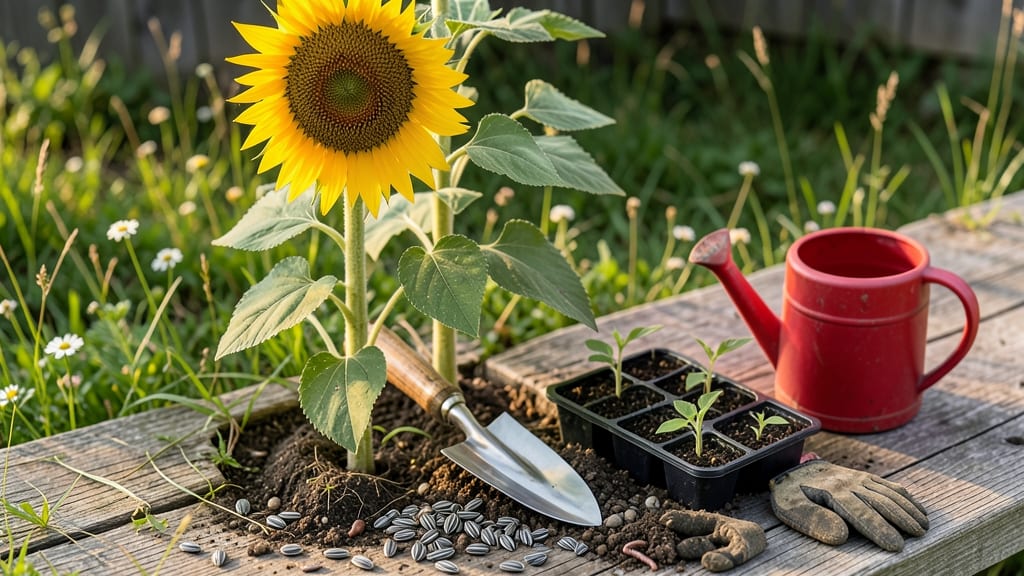
To plant sunflower seeds in New Zealand at the right time means catching the frost-free window—typically September to February in the North Island and October to March in the South Island, depending on your region.
Get it wrong, and you’re staring at stunted 🌻 stalks or worse—seeds that bolt before they bloom. But with frost dates shifting from Northland to Southland, timing isn’t one-size-fits-all. Here’s how to nail it for fast, healthy growth.
North Island gardeners can start as early as late August, while South Island growers should wait until mid-September to avoid late frosts. Soil temperature matters too—wait until it hits 10°C (50°F) for reliable germination.
Below, I break down the exact frost-free dates by region, soil prep tips, and how to stretch your season if you’re in a cooler zone. Ready to grow sunflowers that tower over your fence?
NZ sunflower planting calendar: frost-free dates by region for optimal growth
Timing is everything when growing sunflowers in New Zealand. Plant too early, and frost can damage tender seedlings. Wait too long, and you might miss the long summer days they need to reach their full 6-15 ft height.
Each region has its own frost-free window, and understanding these dates ensures your sunflowers grow strong and tall.
New Zealand’s climate varies dramatically—from subtropical Northland to cooler Canterbury. The key to success is planting after the last average frost date when soil temperatures consistently stay above 10°C (50°F). This threshold ensures seeds germinate properly and seedlings don’t suffer from transplant shock.
Below is a detailed region-by-region planting calendar with frost-free dates, soil temperature guidelines, and ideal planting windows. Use this to align your sunflower planting with your local climate for maximum bloom and harvest.
| Region | Last Frost Date | Soil Temp Threshold | Ideal Planting Window | Notes |
|---|---|---|---|---|
| Northland | Late July | 10°C (50°F) | September–February | Warmest region; plant early for summer blooms. |
| Waikato | Early August | 10°C (50°F) | September–January | Moderate climate; avoid late autumn planting. |
| Wellington | Mid-August | 12°C (54°F) | Late September–December | Cooler winds; use row covers for early starts. |
| Canterbury | Late August | 12°C (54°F) | October–November | Dry climate; water deeply after planting. |
| Southland | Early September | 13°C (55°F) | November–December | Coldest region; choose dwarf varieties for best results. |
For Northland gardeners, you can start planting as early as September thanks to its warm climate. The region’s long, frost-free season (up to 280 days) allows for multiple planting cycles, even into February for late-summer blooms. Aim for soil temperatures above 10°C to avoid germination delays.
In Waikato, the last frost typically occurs by early August, but wait until September to plant for safer germination. This region benefits from a moderate climate, making it ideal for standard sunflower varieties like 'Moulin Rouge' or 'Russian Giant'.
Staggered planting in September and October extends your bloom season.
Wellington’s cooler winds and unpredictable weather mean you should wait until late September to plant. Use row covers or black plastic mulch to warm the soil faster. Dwarf varieties like 'Teddy Bear' thrive here, reaching 3-5 ft without bolting prematurely.
Canterbury’s dry climate demands careful watering, especially after planting. Wait until October to ensure soil temperatures stay above 12°C. This region’s shorter frost-free season (200 days) means you’ll want to focus on fast-maturing varieties like 'Autumn Beauty' for reliable blooms.
Southland’s late frost dates (early September) and cooler summers make sunflowers a challenge, but not impossible. Opt for dwarf or semi-dwarf varieties and plant no earlier than November. Raised beds with compost-rich soil help warm the roots faster, giving seedlings a head start.
Regardless of your region, always plant 1 inch deep and thin seedlings to 12-18 inches apart for optimal air circulation. Mulch around the base to retain moisture and suppress weeds, especially in dry or windy areas like Canterbury or South
How to extend your sunflower season in cool or late regions
Living in Canterbury or Southland means shorter growing seasons, but that doesn’t have to stop you from growing sunflowers. With the right strategies, you can push your sunflower season later into autumn or even start earlier in spring.
The key is combining cold-hardy varieties, protective measures, and smart planting techniques to beat the chill.
Sunflowers are surprisingly resilient, but they need help in cooler climates. I’ve grown them successfully in Zone 8 regions by using a mix of row covers, soil warming, and staggered planting.
These methods create microclimates that trick sunflowers into thinking it’s warmer than it actually is, giving them the head start they need to thrive.
- 1. Choose Cold-Tolerant Varieties
- 2. Use Row Covers for Frost Protection
- 3. Warm the Soil with Black Plastic
- 4. Stagger Planting for Extended Harvests
- 5. Plant Near Heat-Retaining Structures
Start with cold-hardy sunflower varieties like 'Autumn Beauty' or 'Moulin Rouge', which tolerate cooler temperatures better than standard varieties. These can handle light frosts and still produce vibrant blooms even in Canterbury’s unpredictable spring weather. I’ve seen them survive 3°C nighttime temps with minimal protection.
Row covers are my secret weapon for extending the season. Lightweight frost blankets create a 2-3°C warmer microclimate, protecting young seedlings from late frosts. Remove them during the day once temperatures rise to avoid overheating. For extra insulation, use hoop houses or cold frames to create a greenhouse effect.
Soil warming is another game-changer. Lay down black plastic mulch 2-3 weeks before planting to absorb sunlight and raise soil temperatures by 5-10°C. This jumpstarts germination and gives seedlings a faster start. Pair this with compost-rich soil to improve drainage and nutrient uptake in cooler conditions.
Stagger your planting every 2-3 weeks from mid-September to mid-November to ensure a continuous harvest. Plant a few seeds early under protection, then add more as temperatures rise. This way, you’ll have sunflowers blooming from late November through to January, even in cooler regions.
Position your sunflower patch near heat-retaining structures like fences, walls, or even your house. These surfaces absorb warmth during the day and radiate it back at night, creating a warmer microclimate.
I’ve noticed a 1-2°C difference just a meter away from a north-facing brick wall—enough to make a difference in early spring.
With these strategies, you can enjoy towering sunflowers well into autumn, even in NZ’s coolest regions. The key is patience and layering techniques to give your plants the best possible start. Happy gardening! 🌻